What art have I seen? Between objects and things
Justin Carter’s work at the Studio Pavilion Galley at the House for an Art Lover
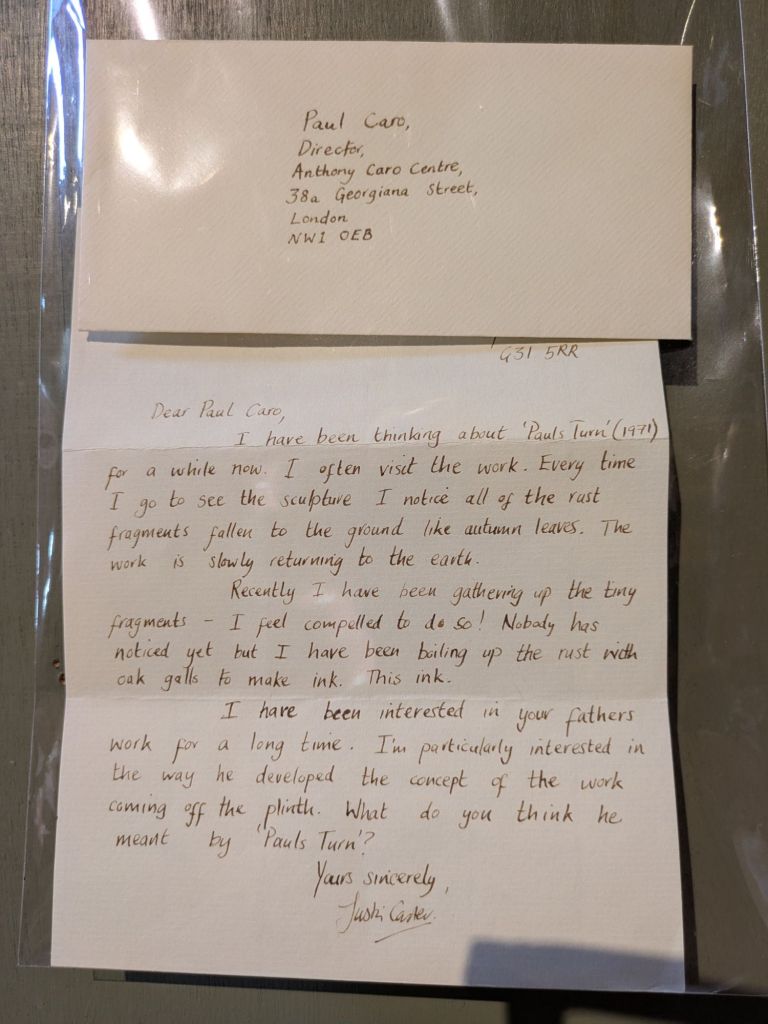
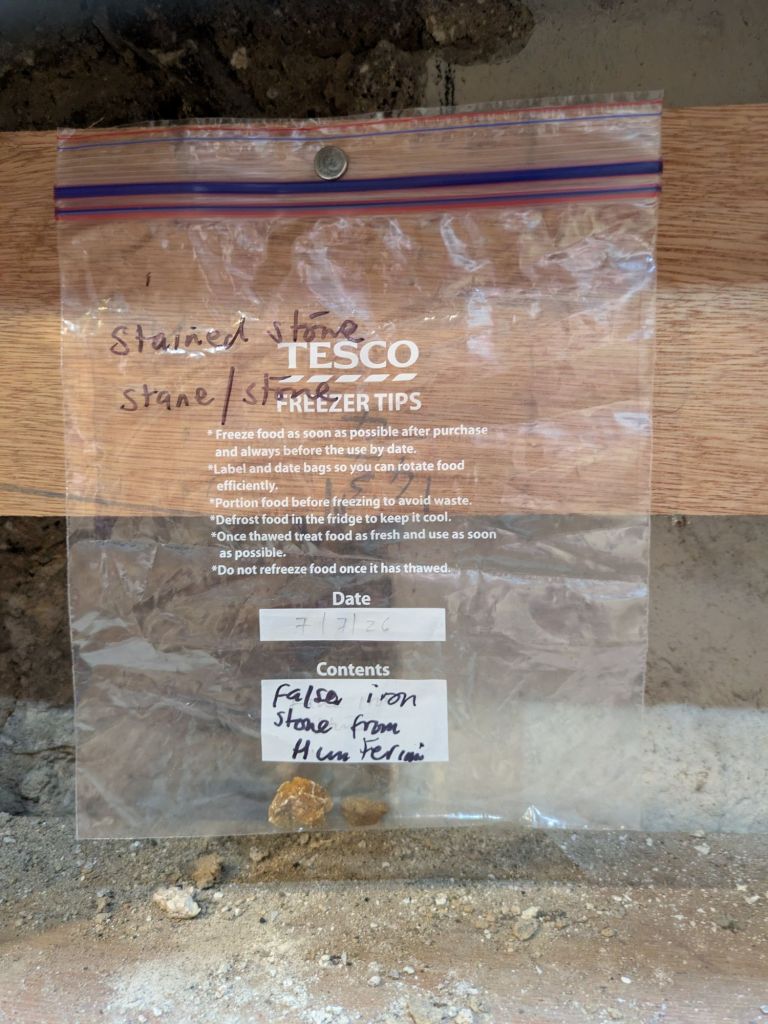
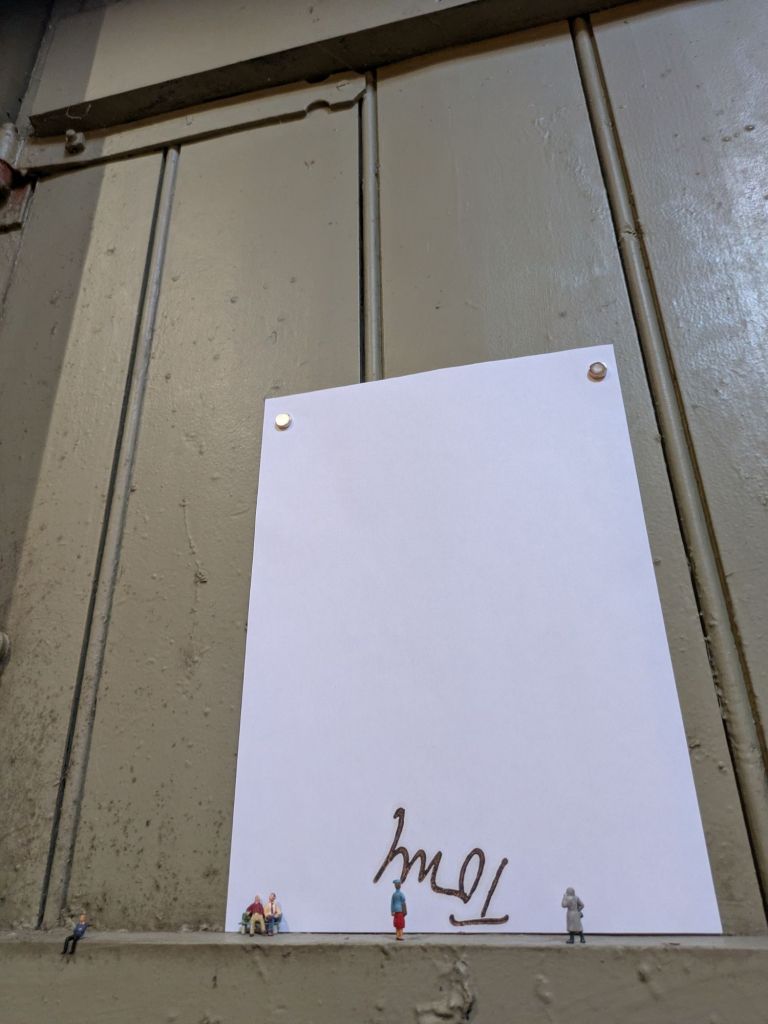
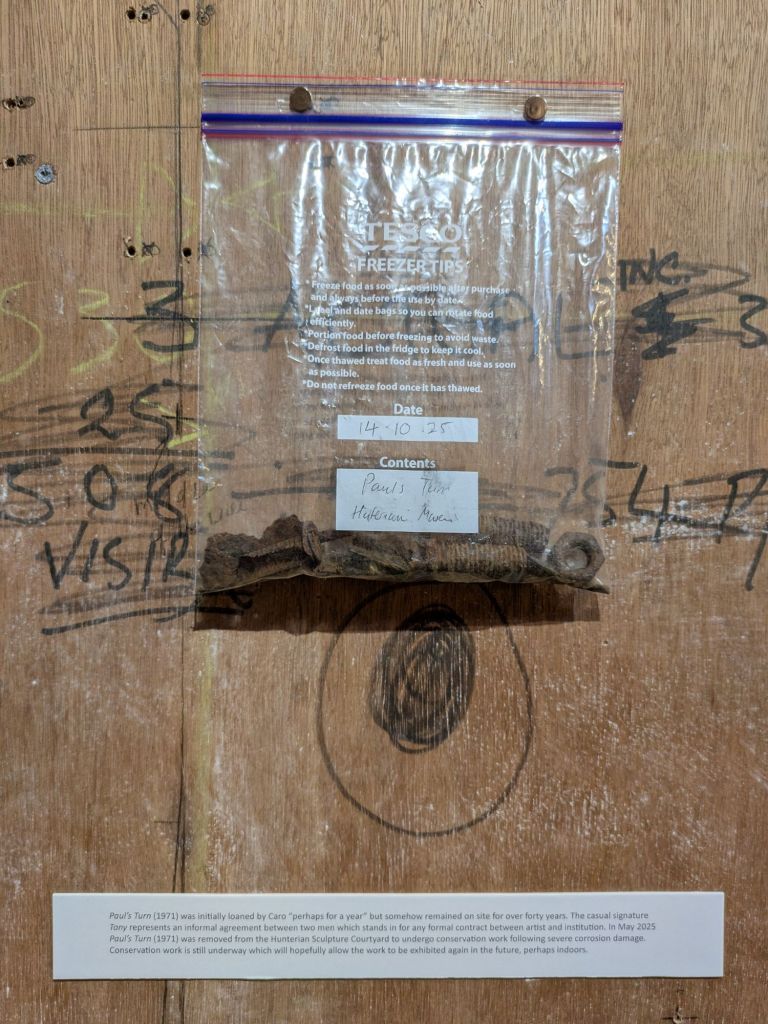
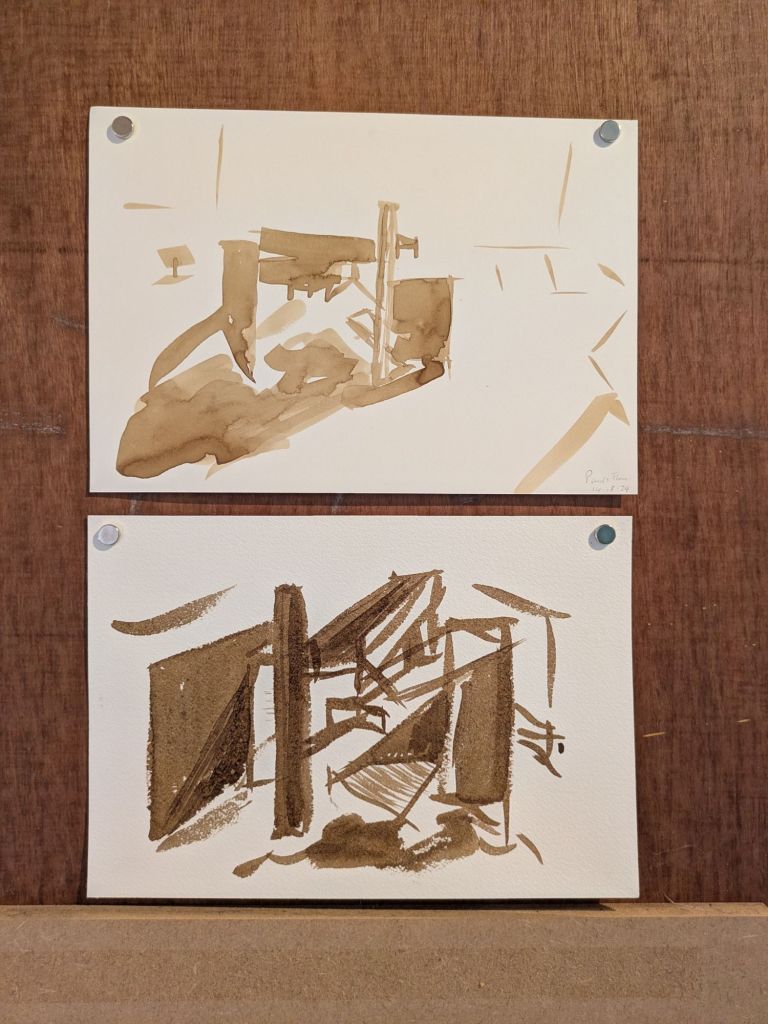
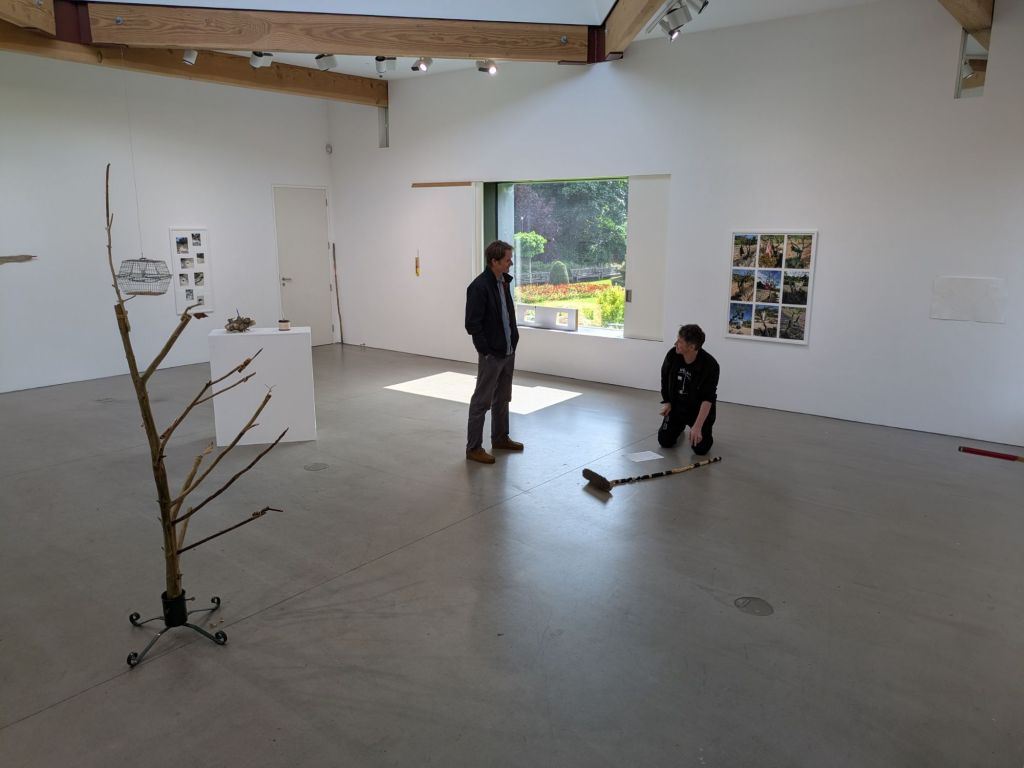
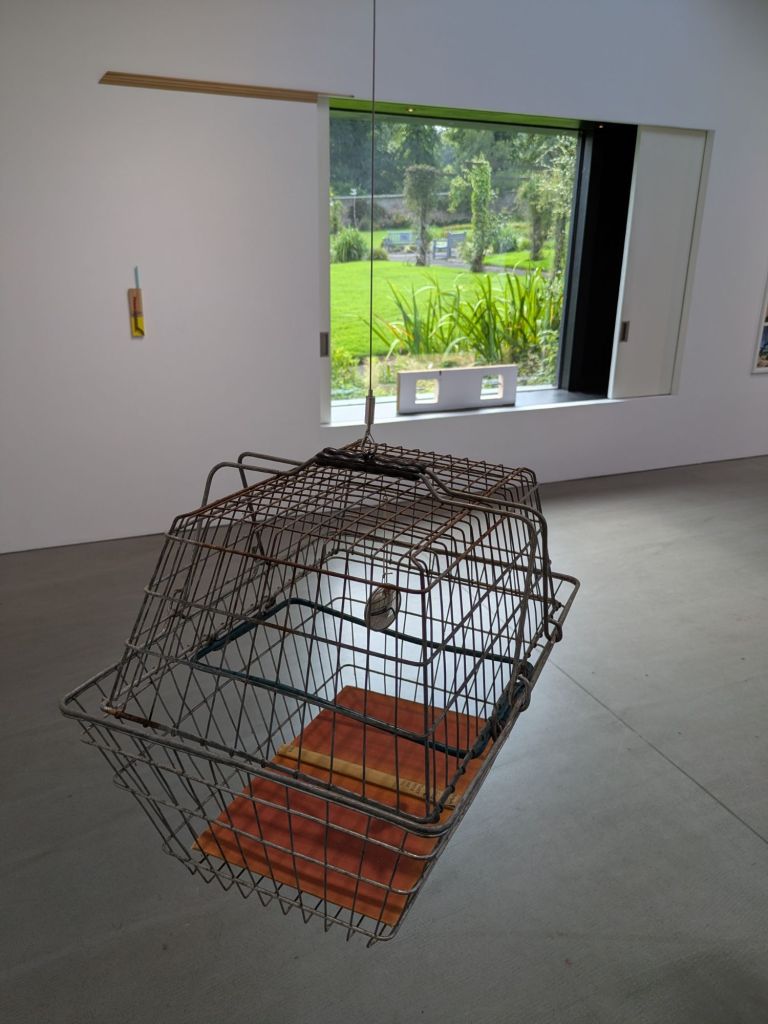
If you want to think about the least possible means to make work, the Justin Carter’s group of works all derived from Antony Caro’s Paul’s Turn, that used to be exhibited in the courtyard at the Hunterian Gallery, is exemplary. It was in the smaller, less formal space.
All of these works, mostly on paper, come from and make use of the flakes of rust and the archival materials associated with the Caro sculpture. Mainly Carter made ink from the rust, adding oak gall, and then sketched the work on site, or made prints.
There are some humorous additions such as the figures, but there was always something about scale in Caro’s works too. All of the works including the unsent letter have a twist to them. The print, a sheet of paper with the words THIS USED TO BE A SCULPTURE, is such a brilliantly ironic thing.
The works in the more formal Gallery space were had the same economy and quirky humour.
Such a joy to see Paul, Sam Ainsley, and Peter McCaughey.
For a detailed discussion see Paul’s paper Paul’s Turn – Re-imagining Art from the Entropic Remains of Visual Form.
What art have I seen? Flare Up
Goldsmiths CCA.
Why is it so difficult to be anything but fit and able? It is obviously made into a particular hell in this society, but it is more than just institutions. Why is anything other than fitness and ableness so hard to deal with? Why is that being resilient and having good coping mechanisms equates with normal – the challenges are made to be invisible – it is more than just coping and getting on with life.
There is a fabulous moment in Jamila Prowse’s film – a series of photos with associated narrative description and contextualisation. Prowse describes how their life, as someone whose conditions mean they spend a year in bed, drifts and breaks off and ends up so far away no-one can connect. It is a beautifully awful evocation.
This work is just 8 photos all of which would be thrown out under normal circumstances because of heads cut off, key features being out of focus, and general inconsequentialness, but each is an opportunity to discuss life, each has the right characteristics to deal with the life of a failing body and disarrayed mind.
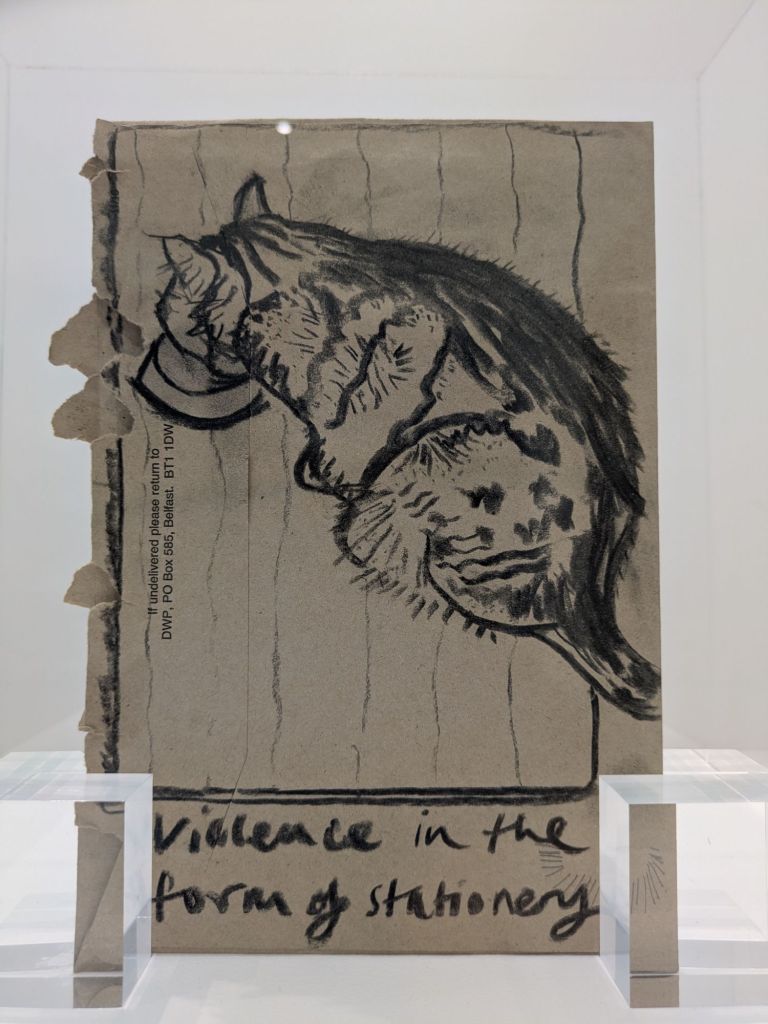
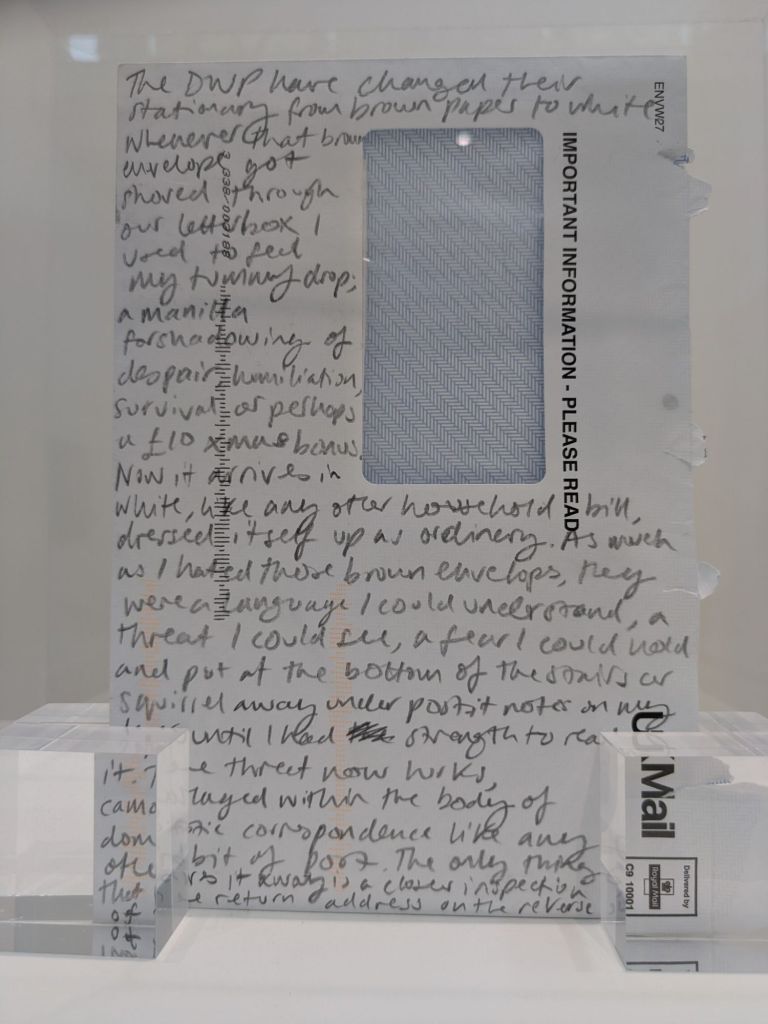
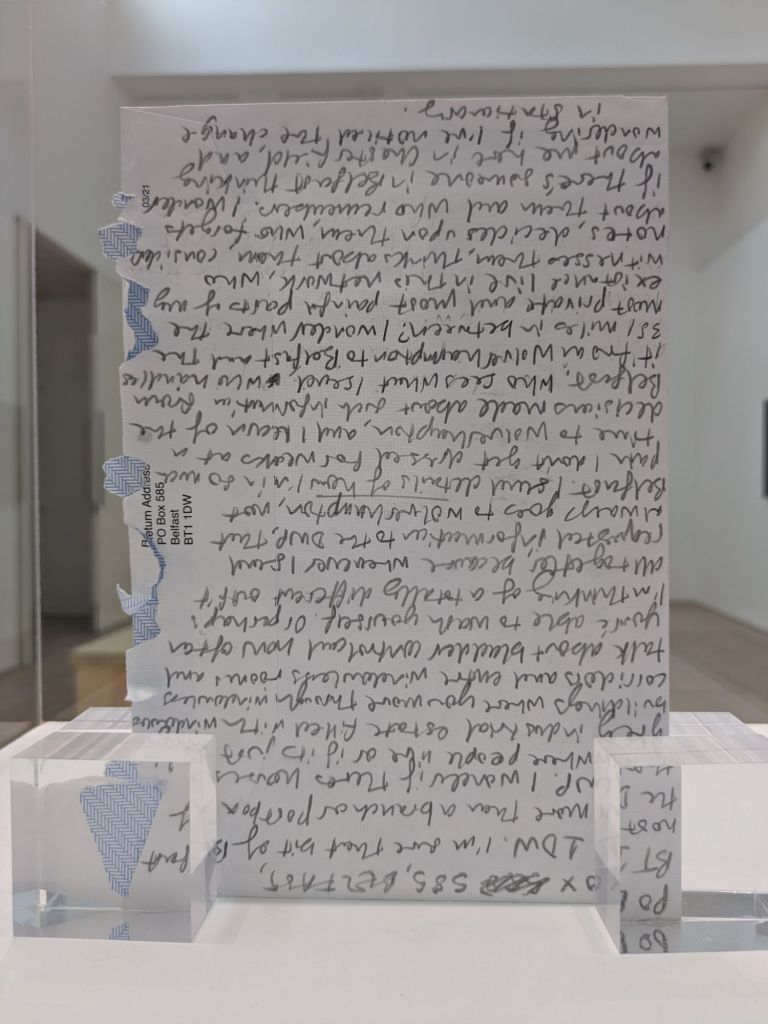
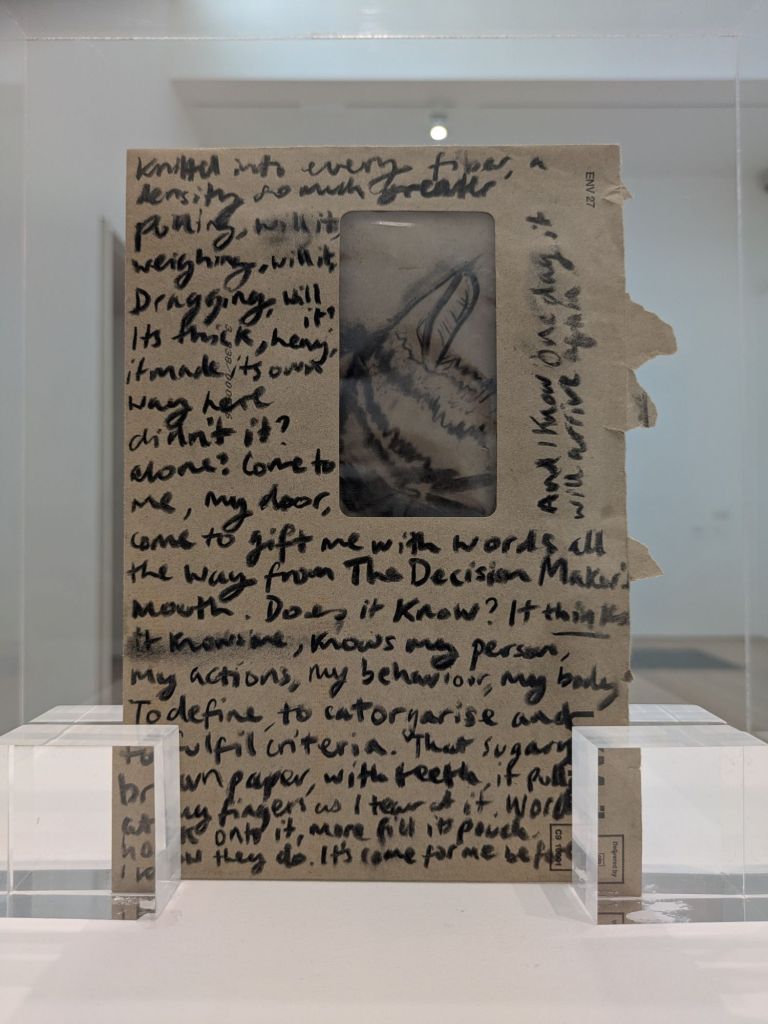
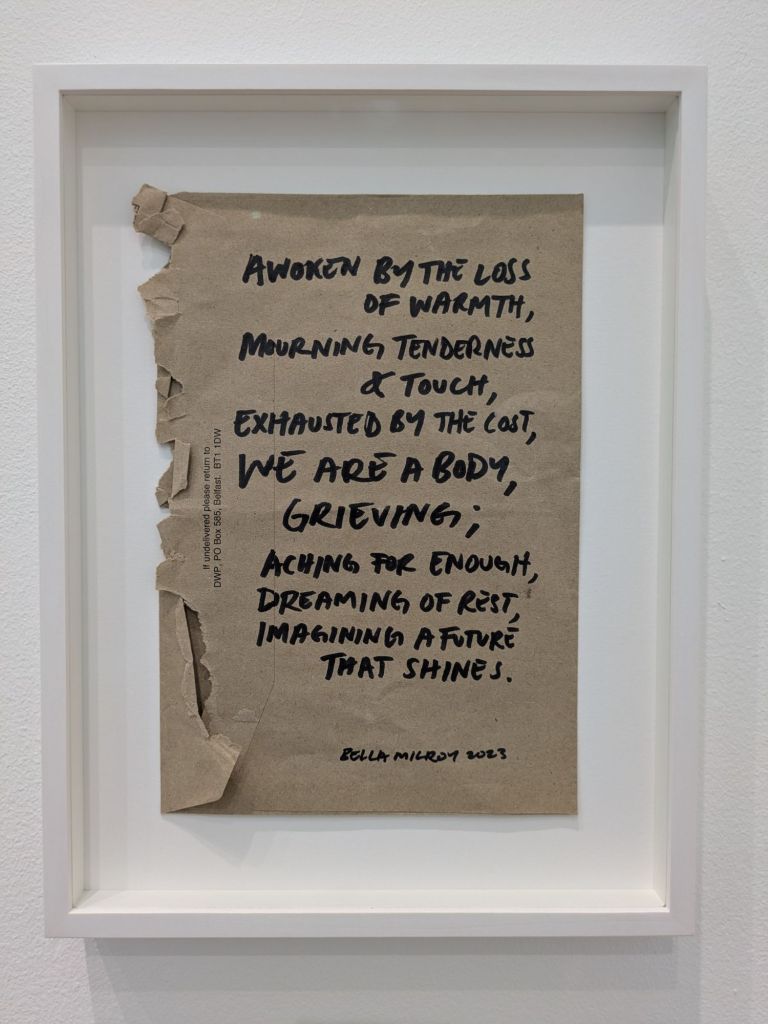
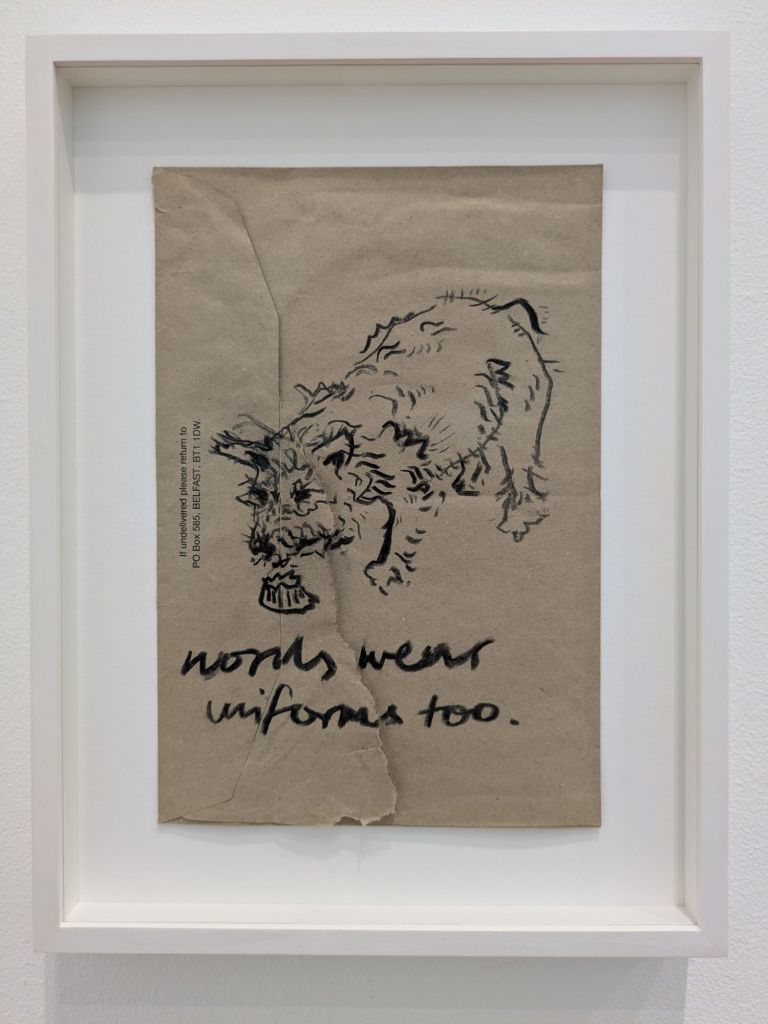
Another work that has that everyday fear written through it is Bella Milroy’s. In addition to the four DWP envelopes is an audio description which brilliantly emphasises the banality of the material form. Brown paper envelop presented portrait orientation. Held vertical. Torn down left side. Word processed text which reads ‘Important Information Please Read’. Envelope is covered in hand written text in graphite pencil.
The text describes the impact on the recipient of the Department of Work and Pensions changing from distinctive brown envelopes to generic white envelopes.
What art have I seen? Christo and Jeanne-Claude ‘Air’
You walk up from Green Park past the Ferrari and Lamborghini dealerships to get to the Gagosian where Christo and Jeanne-Claude’s unrealised proposal for a work wrapping air has now been made by one of the premium commercial galleries. Do you buy the car or the art? The storage and maintenance handbooks are probably equally thick.
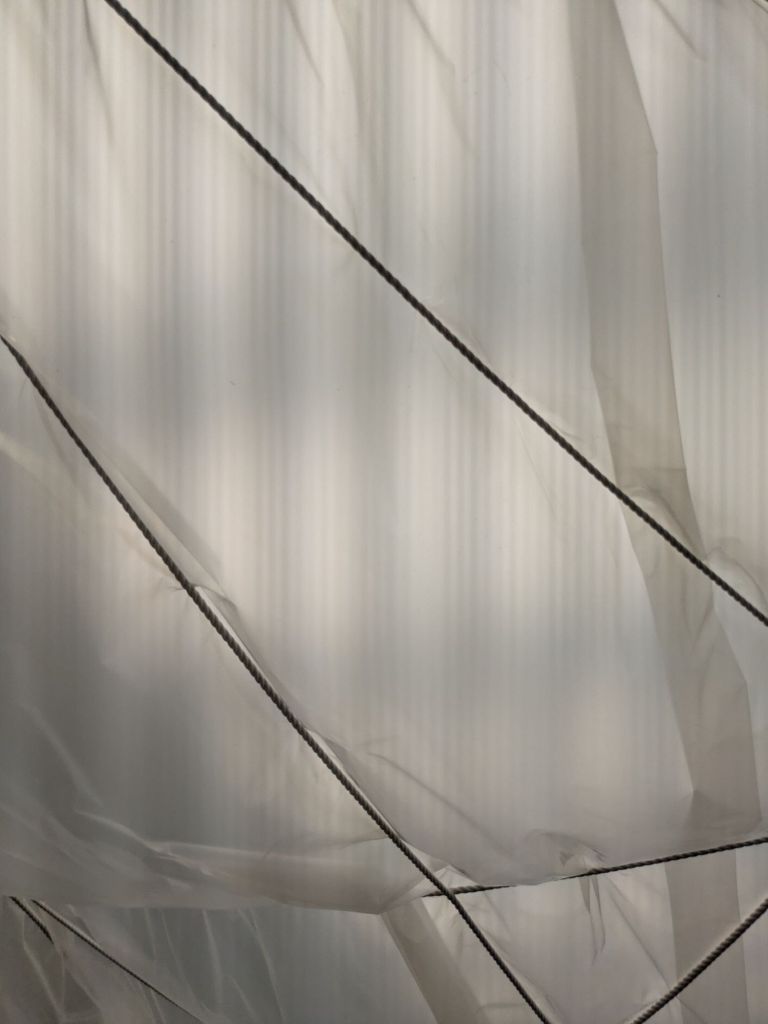
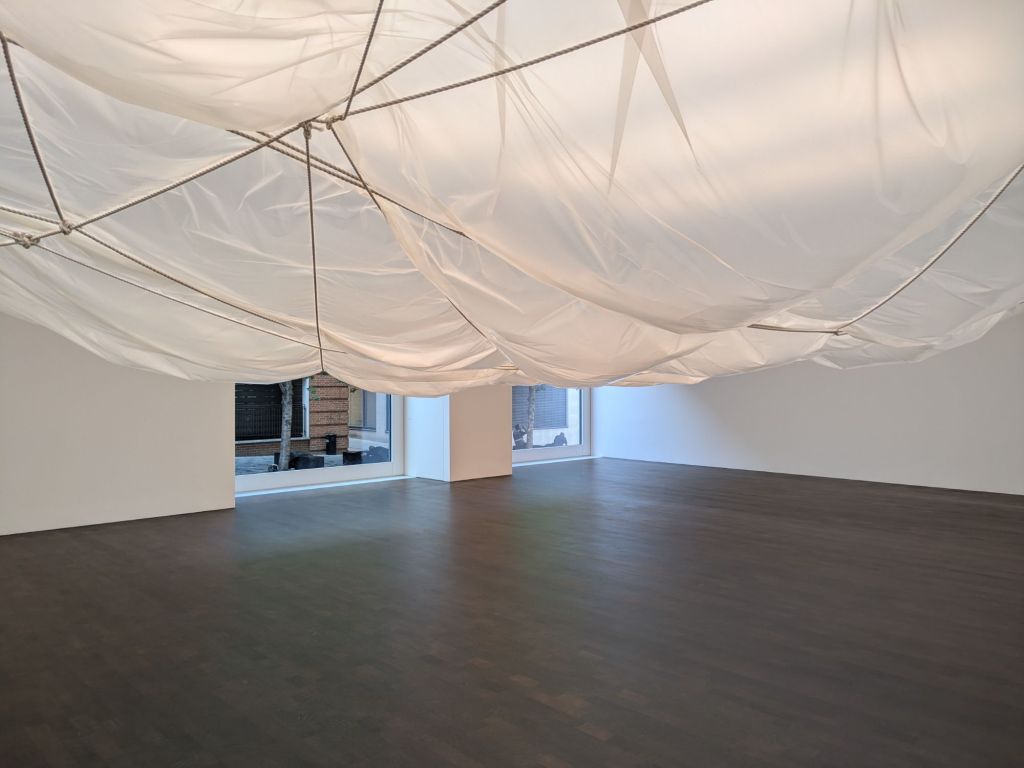
Air Package on a Ceiling fills the first gallery space. It is a suspended form lit internally by the gallery lighting (the blurb says “internally illuminated”). It was originally conceived in 1968 for the Institute of Contemporary Art, Philadelphia (see maquette below).
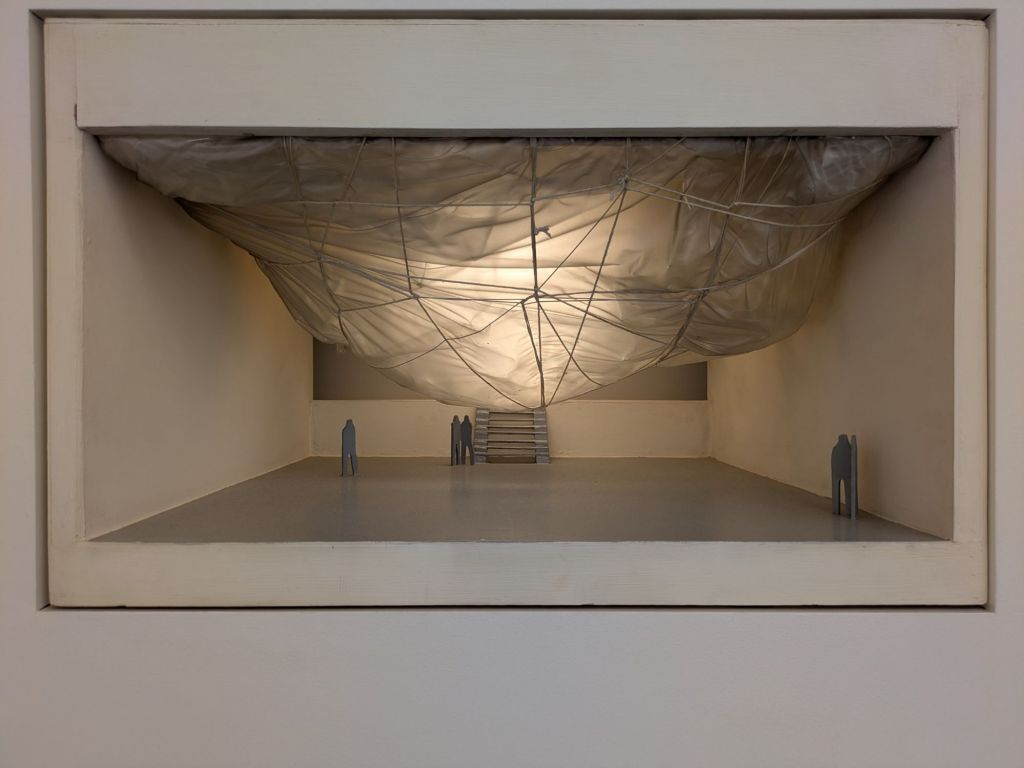
Christo and Jeanne-Claude basically funded all their always temporary installations by creating multiple versions and multiples of the proposal materials. When the Mastaba was in the Serpentine, two different commercial galleries in London had exhibitions of Christo and Jeanne-Claude proposal pieces. It was a jamboree. I remember being confused at first, thinking I had seen the commercial show and seeing a listing for a different gallery. I couldn’t believe two normally competing commercial galleries had both programmed basically similar shows on the basis that the Serpentine piece would create so much interest that they would all make money.
In the second gallery at Gagosian is a wrapped Volvo from the early 80s which further complicates our understanding. It’s not a Ferrari but…
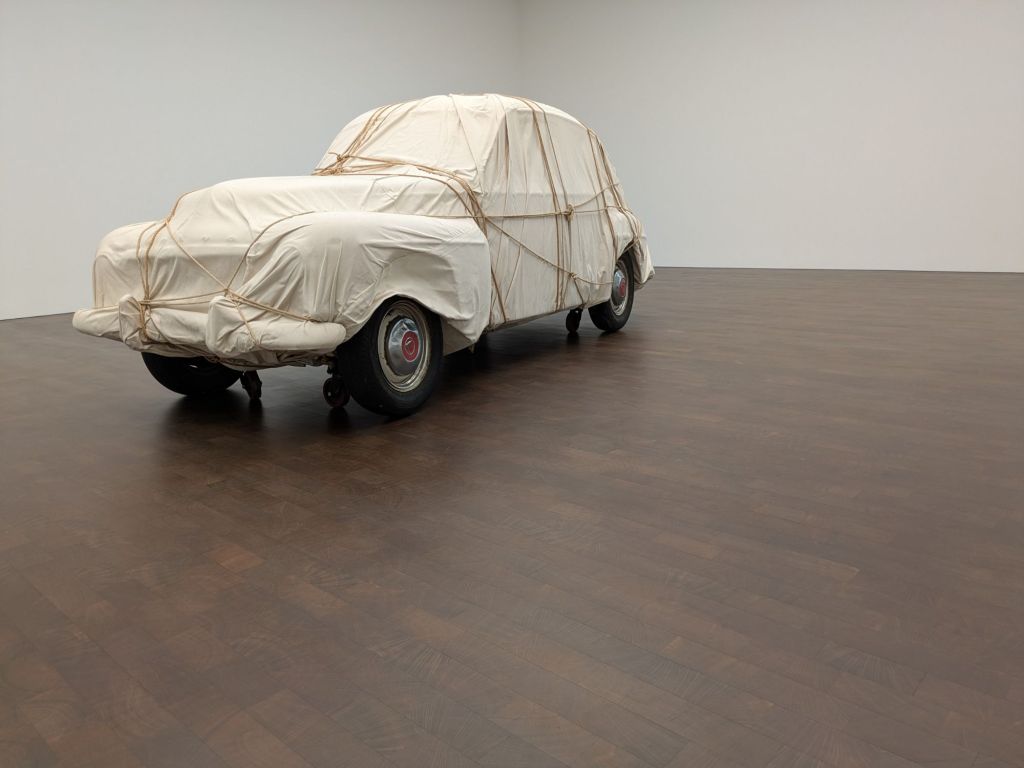
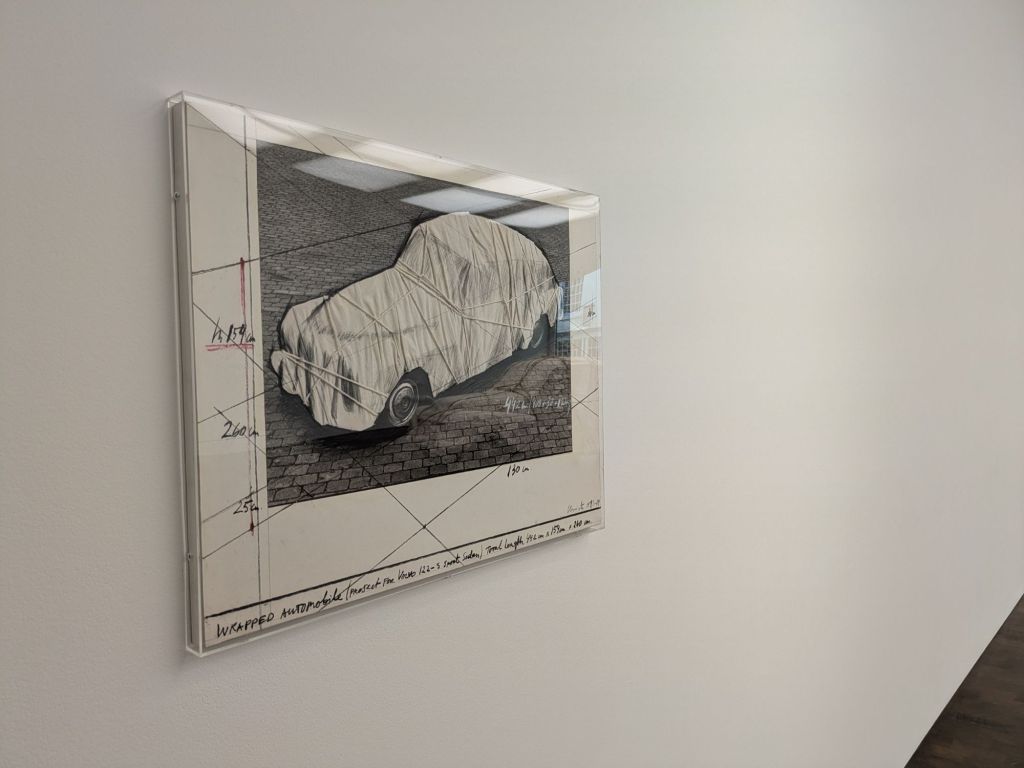
Wrapped Automobile—Volvo, Model PV-544 (1981), which has not been exhibited for thirty years. Before it was wrapped, the car belonged to Serge De Bloe, an art dealer and friend of Christo and Jeanne-Claude, who was acquiring a new vehicle but didn’t want to see the old one—about which he felt sentimental—destroyed. He asked Christo to wrap the car as an artwork, which the artist did in a Brussels body shop prior to exhibiting the work in Berlin.
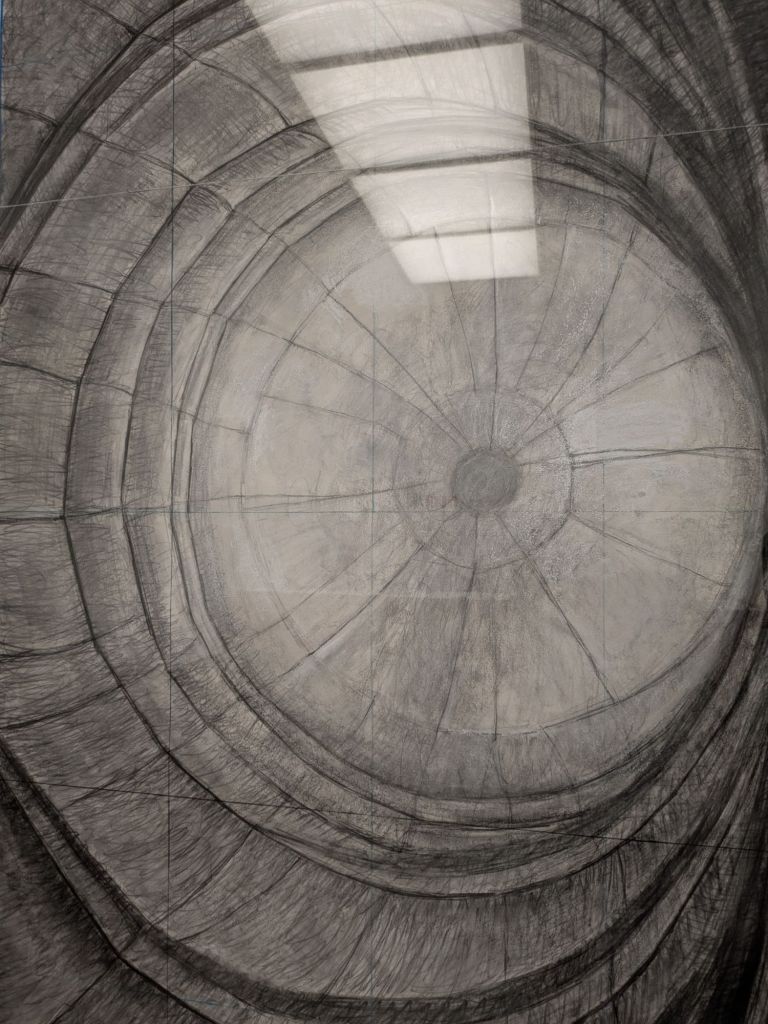
We know Christo and Jeanne-Claude for the temporary installations, but the drawing and collage, the engineering calculations and proposals are also so engaging and part of the aesthetic.
I resent the writing out of Jeanne Claude. She is in the actual work credits but the title at the entrance leaves her out… It suggests the gallery thinks the audience wants the brand rather than the actual artists… tragic.
But regardless of cars, dealerships, the art market, this work and this practice is so significant in what it does to the possibilities of contemporary art. As a public art practice, as an environmental art practice, as an artists’ approach to the art economy, as an exercise in control… So many reasons to pay attention.
What art have I seen? Rothko in Firenze
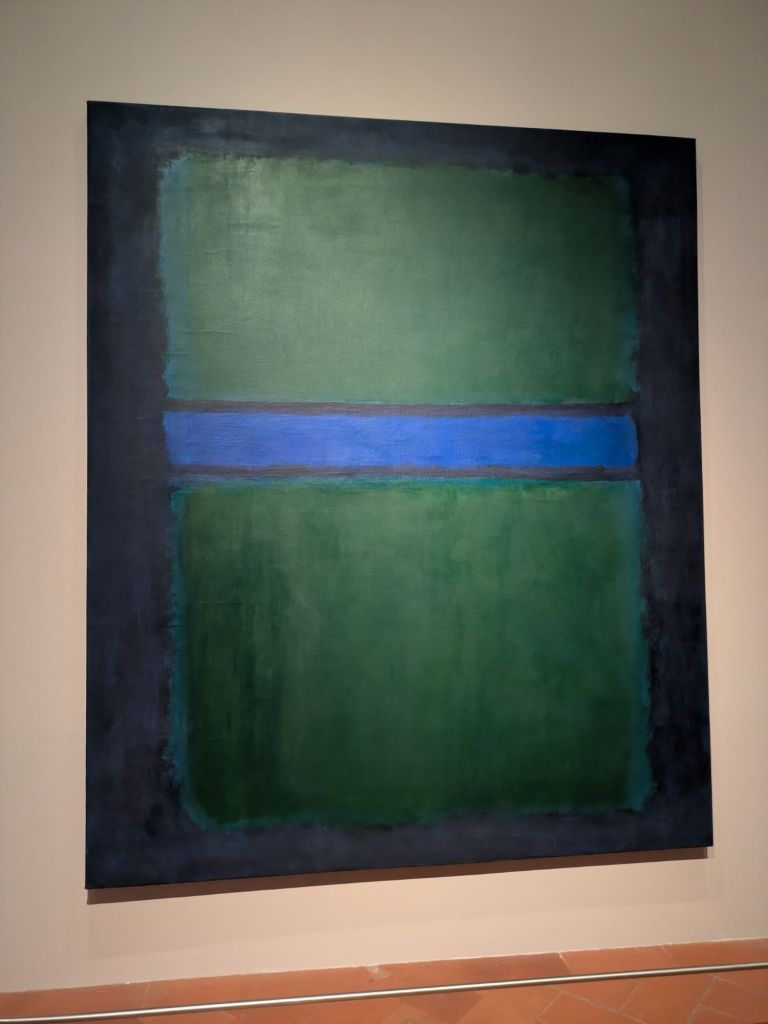

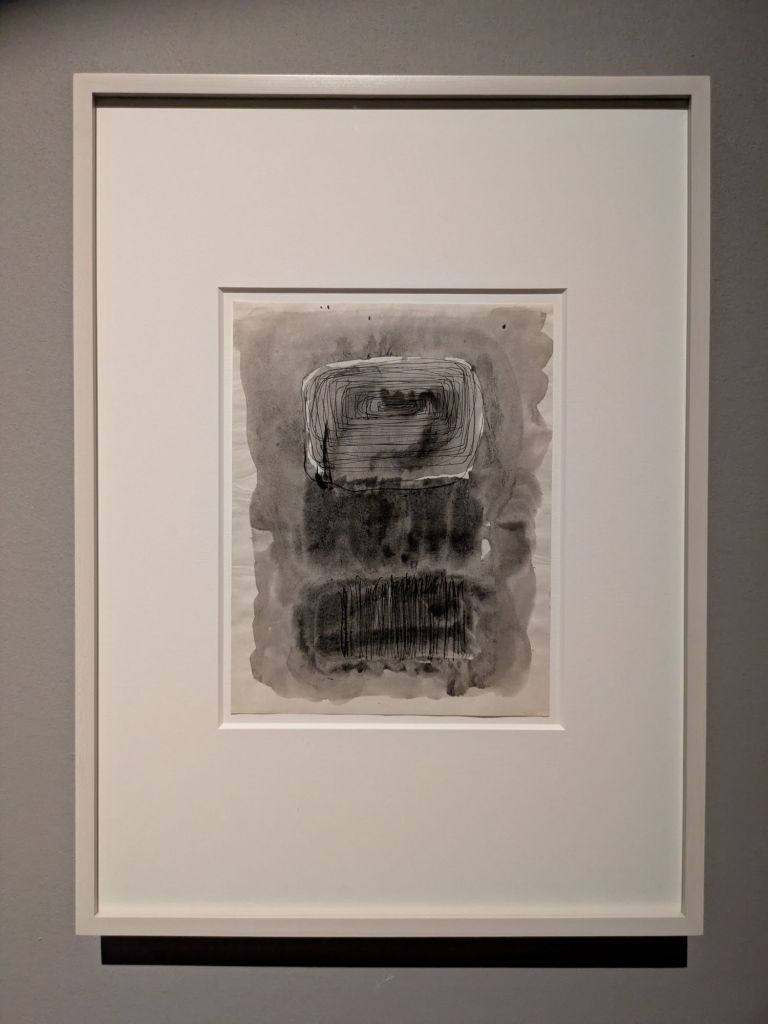
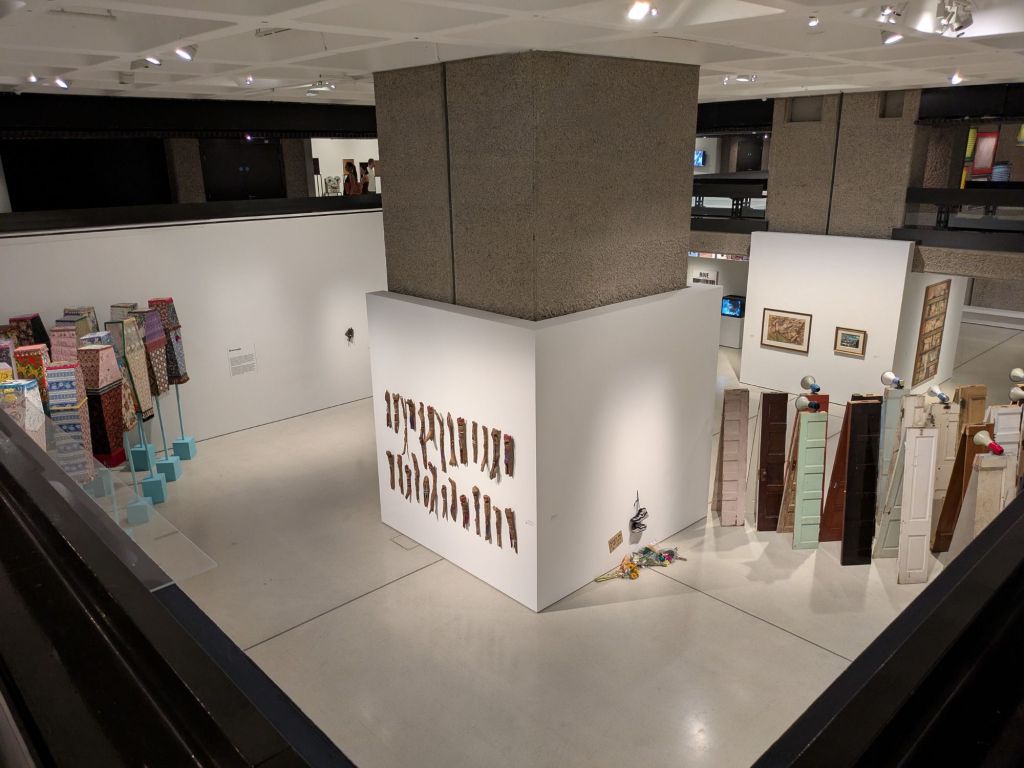
Photos are terrible – sorry – but they provide a slight reminder.
Fascinating to see early works and to understand that Rothko was largely self-taught. The journey from figurative works through surreal symbolism to what we recognise is striking.
Rothko and Albers within a few days of each other is also fascinating. Two such different artists.
If you take one of the definitions of an artist being something to do with deciding when something is finished, then in some ways these two couldn’t be more different. With Albers’ ‘Homage to the Square’ experiments, finished is not really to do with the expressive surface. There are surface decisions – brush or palette knife – and there are decisions which leave the weave of the canvas more or less visible. It is particularly clear from watching one of the films that the focus of decision making is on the colours and the sizes of the squares. With Rothko the ‘when is it finished?’ decision is clearly when the juxtapositions are ‘right’. In both there is intuitive judgement, but the resulting point of decision is different.
However both are concerned with the ways in which colour operates on us as humans. Albers’ was conducting one sort of experiment, which has a degree of reproducibility perhaps. Rothko was experimenting in a different way. However both are involved in experimenting in ways that artists do.
Anne Douglas and Nil Gulari have written about artists’ forms of experimentation as part of a project Anne and Kathleen Coessens led called Sounding Drawing. This brought together musicians and visual artists concerned with improvisation and its role in experimentation. When you combine experimentation with improvisation you exclude the idea that the experiment is to prove anything – there can’t be a hypothesis to be tested.
Douglas and Gulari quote Coessens saying “Artistic creativity and, by extension, artistic research focus the possibility of infinite variability within acts of representation and interpretation.” Both Rothko and Albers are clearly using variation, Albers more systematically, but both vigorously reject representation as a ‘purpose’.
Coessens goes on to say, “If research in general is to deal adequately with human society, it needs to embrace those aspects of knowledge production that deal with human subjectivity and relationships, not as phenomena to be deduced and re-harnessed within human control, but open-endedly, as part of a process of creative construction and interpretation that is relative, specific to context and value-driven” (Coessens et al., 2009).
Douglas and Gulari suggest in addition to representation and interpretation, an experiment can also be to create an encounter. Both Albers and Rothko understood their works in terms of encounter: that standing in front of the work, something happens – the surface becomes animated for the viewer in particular ways. Like going into a darkened room and waiting for your eyes to adjust, so with these works, your eyes adjust in the encounter.
Douglas and Gulari argue that Improvisation is a useful way to think about artists’ experiments.”Improvisation offers a way of engaging in forms of inquiry that are situated and contingent and that nonetheless seek new ways of understanding experience by transcending what is already known.” and they go on to point out that this form of seeking to go beyond what is already known is distinct from what happens in other forms of research, saying
“Innovation is expected in scientific experimentation by each new insight displacing what was previously known.” These experiments aren’t experiments that can be improved upon. They are Ali’s experiments which are rerun every time some spends time in front of the works. The experience is new each time.
What art have I seen? Pirelli HangarsBicocci
Benni Bosetto’s ‘Rebecca’ – best read the Mousse Review.
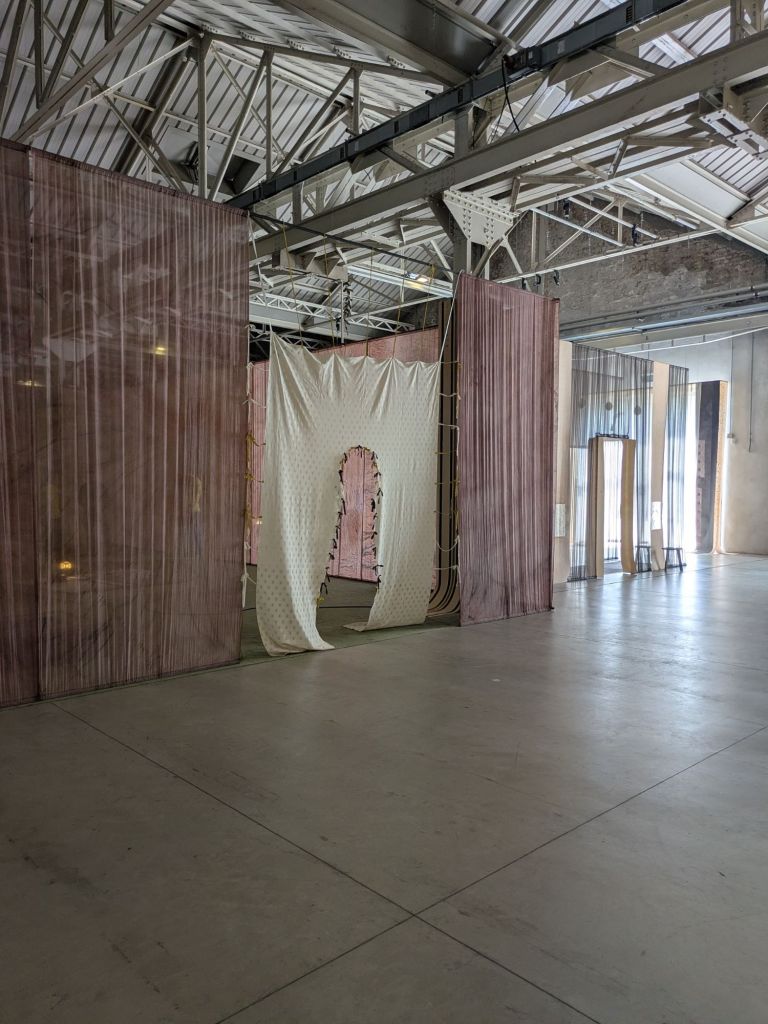
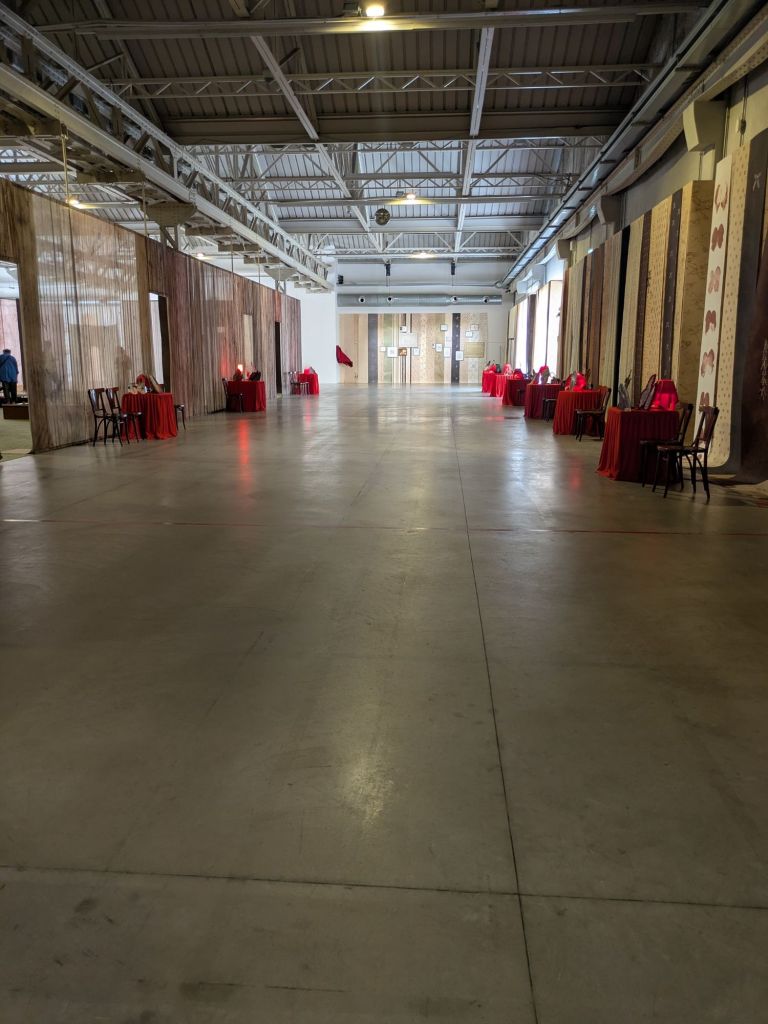

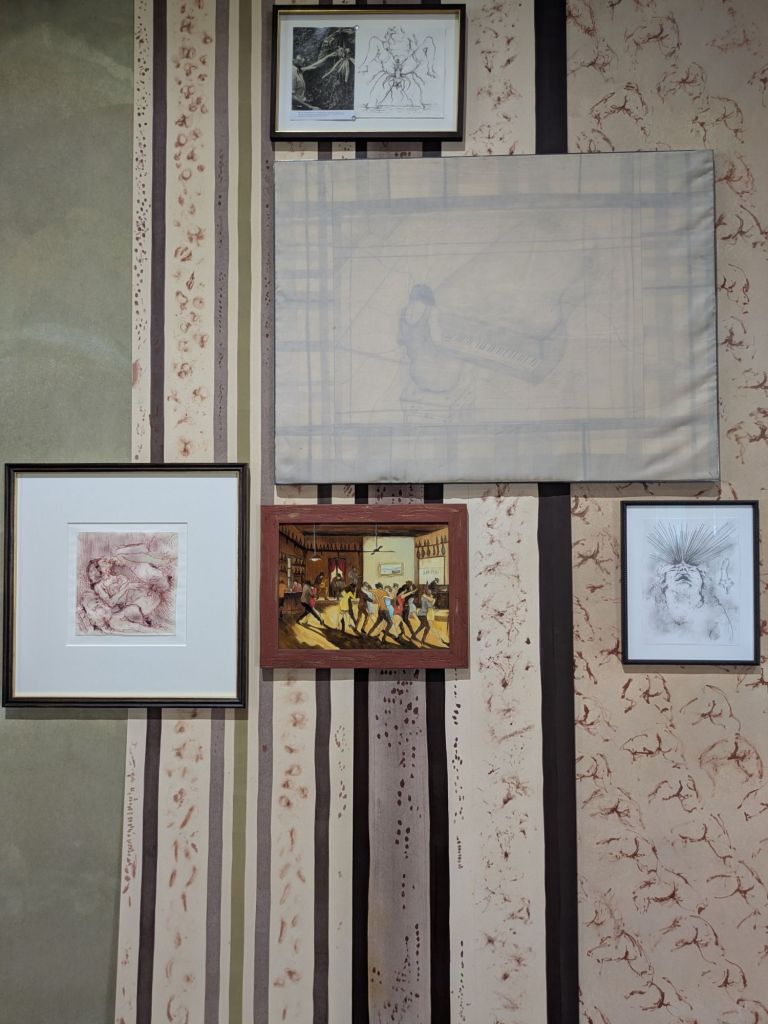

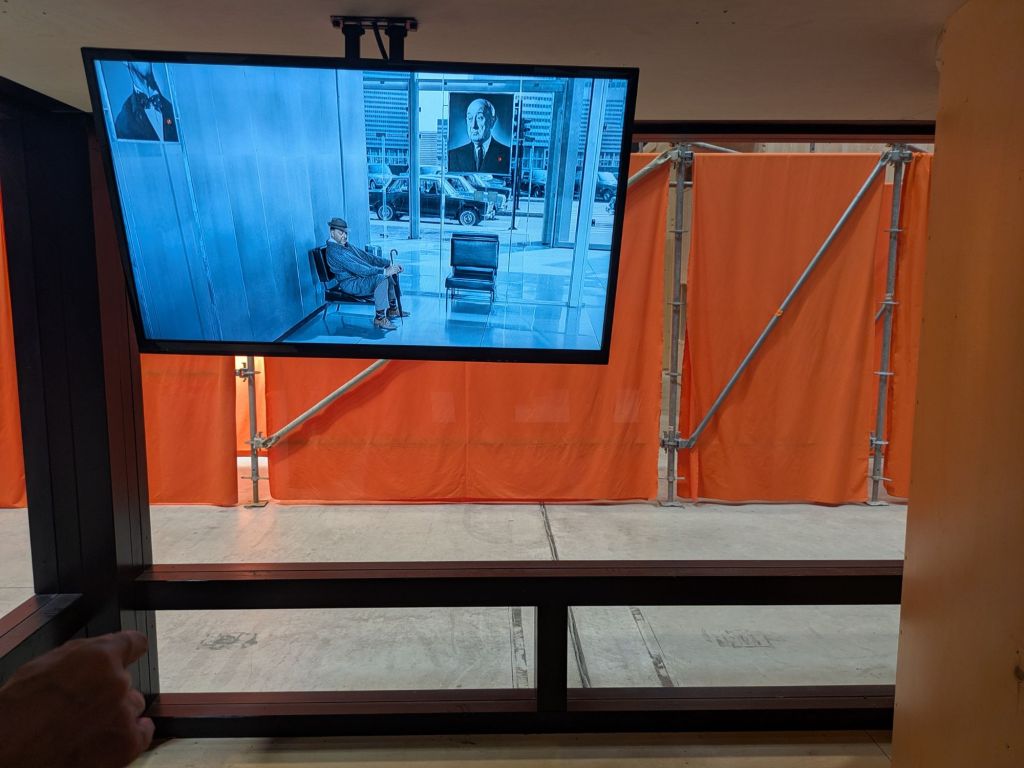
Rirkrit Tiravanija’s ‘The House that Jack Built’ – no irony that Tiravanija just published a book called ‘On Making Less‘, and this is a vast installation. A good clue amongst the many dimensions of ‘hanging out’ (tea room, session space, giant jigsaw) is the snippet of video of Jacques Tati in a modernist waiting area with a midcentury modern chair.

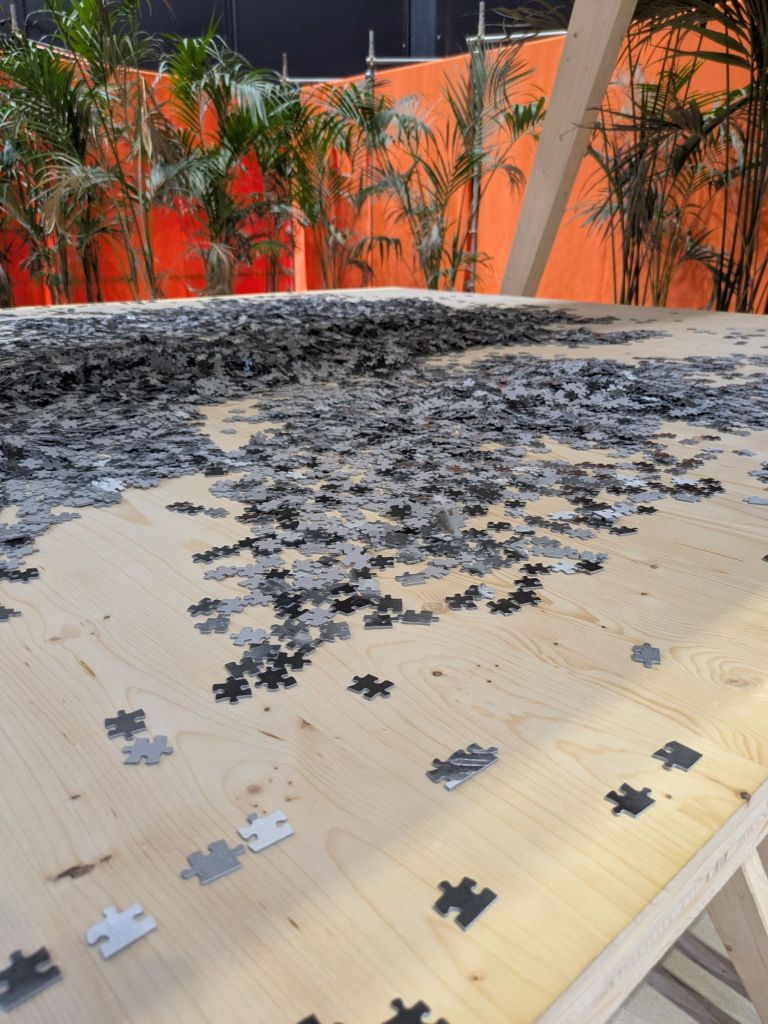
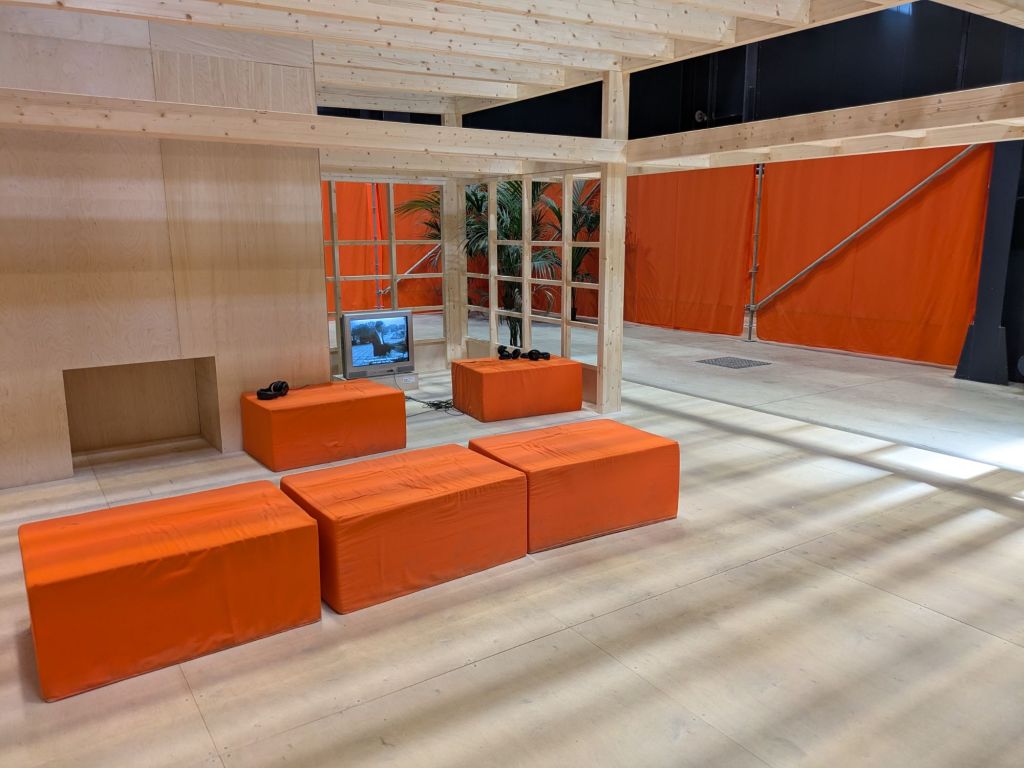


Amongst the hanging out is a small display exploring the use of the palm as a device to indicate Africa as exotic and to make Italian holiday resorts enticingly different – a moment of post colonial visual analysis in a field of chill.
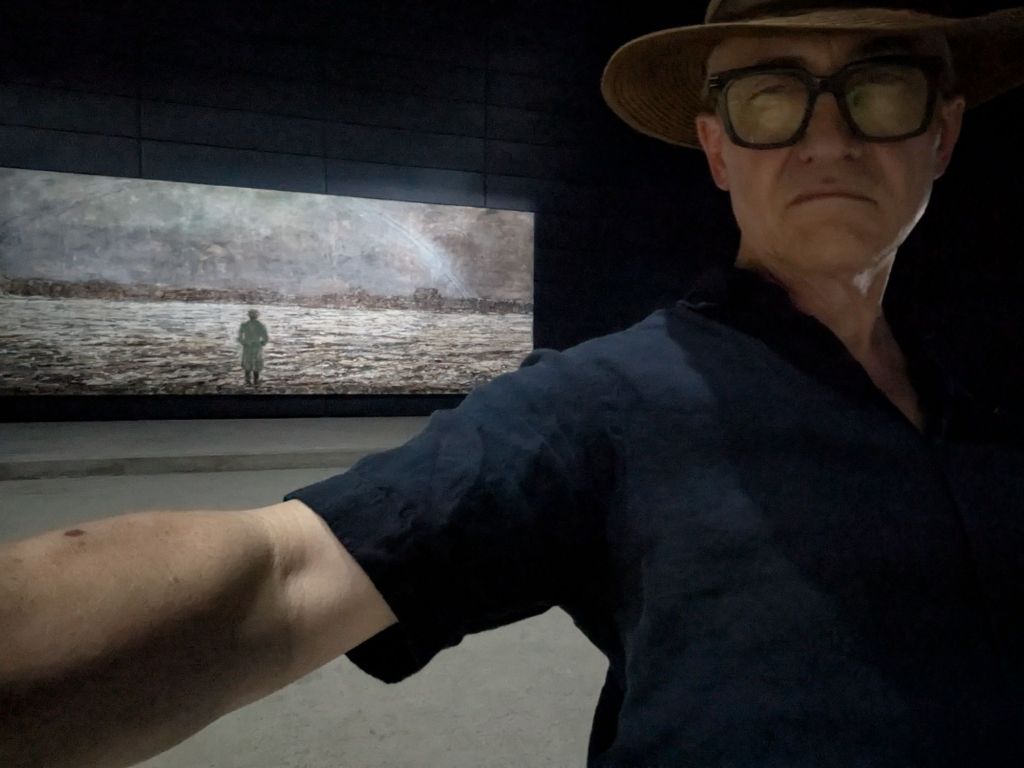
Anselm Kiefer ‘Seven Heavenly Palaces’ permanent and extended installation, originally the towers, now augmented with paintings.

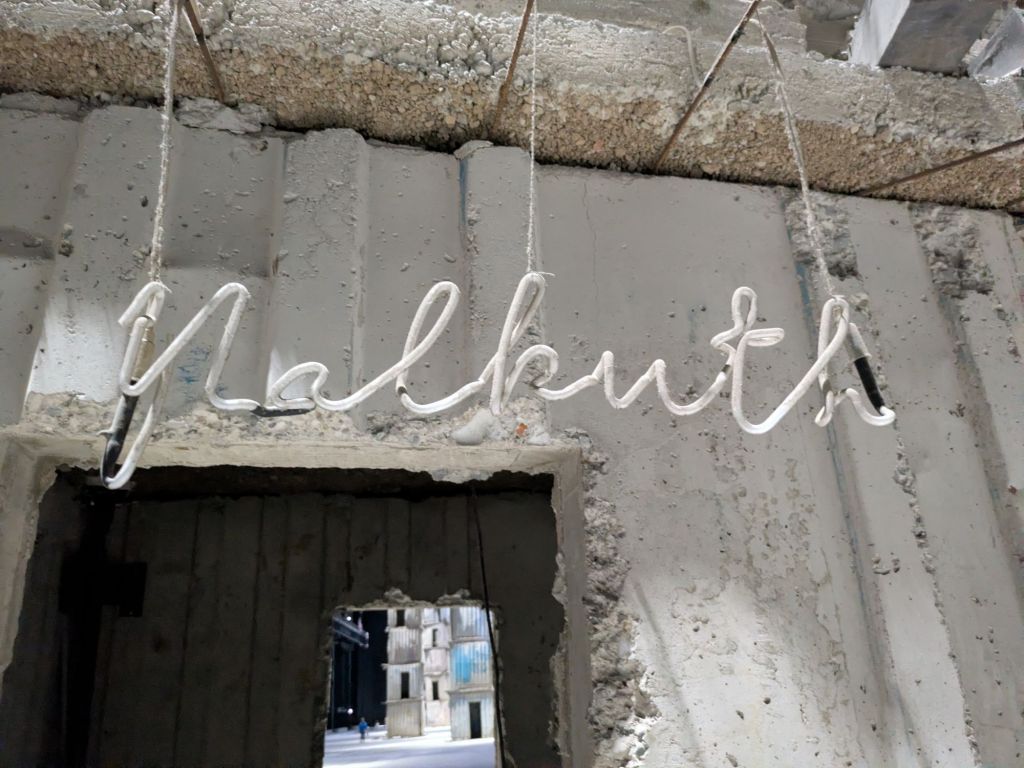
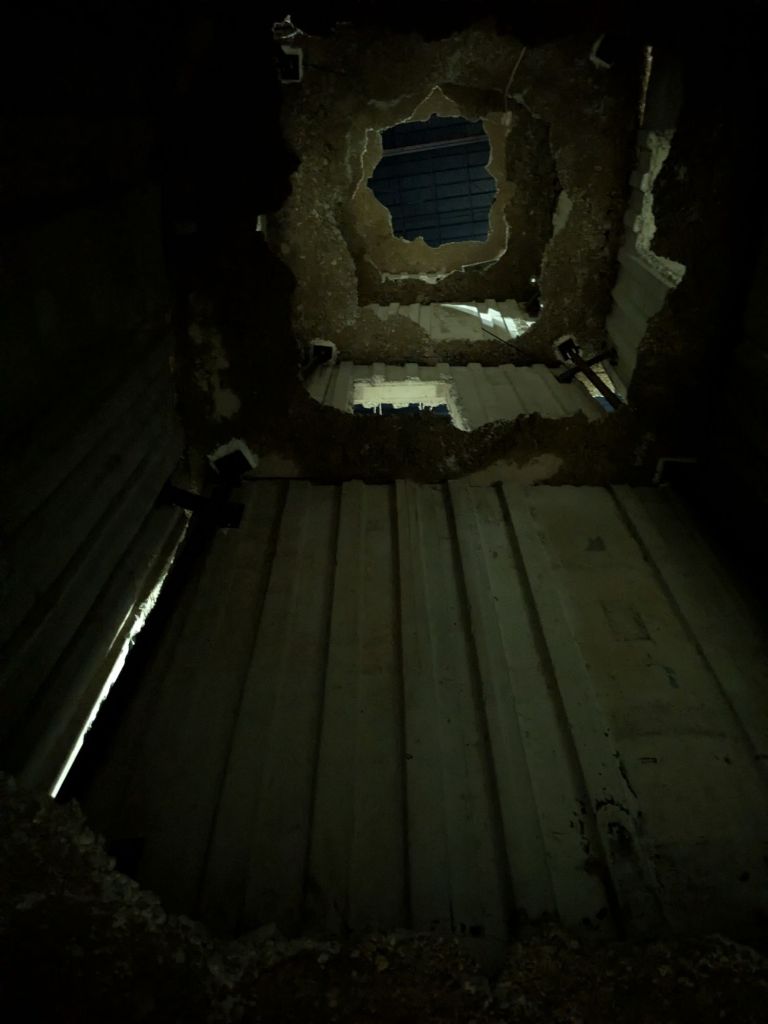
What art have I seen? Villa Panza
I have vaguely known about Villa Panza for a long time, but had no idea that there were so many monochromatic painters: Max Cole (b 1937), Ruth Ann Fredenthal (b 1938), Phil Sims (b 1940), David Simpson (b 1928), Ettore Spalletti (1940-2019), and Alfonso Fratteggiani Bianchi (b 1952).
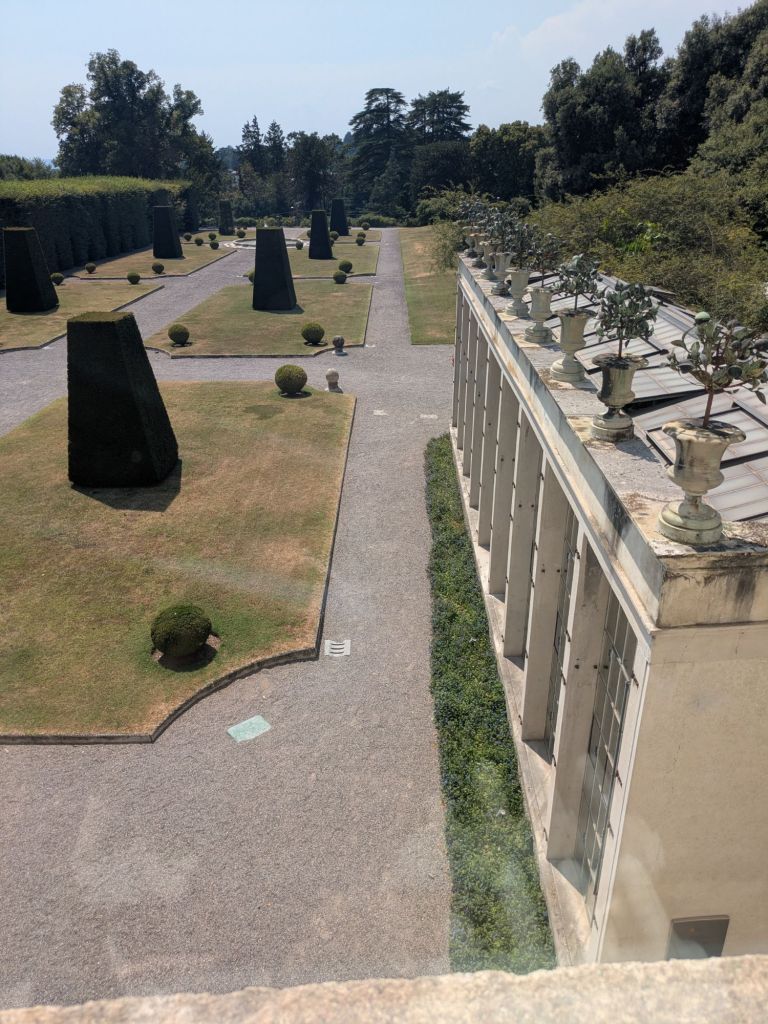
In the context of the classical ’empire’ rooms these create a quiet interplay.


Add to this the artists whose primary concern is light – Dan Flavin, Robert Irwin and James Turrell – and the collection extends in fascinating ways.


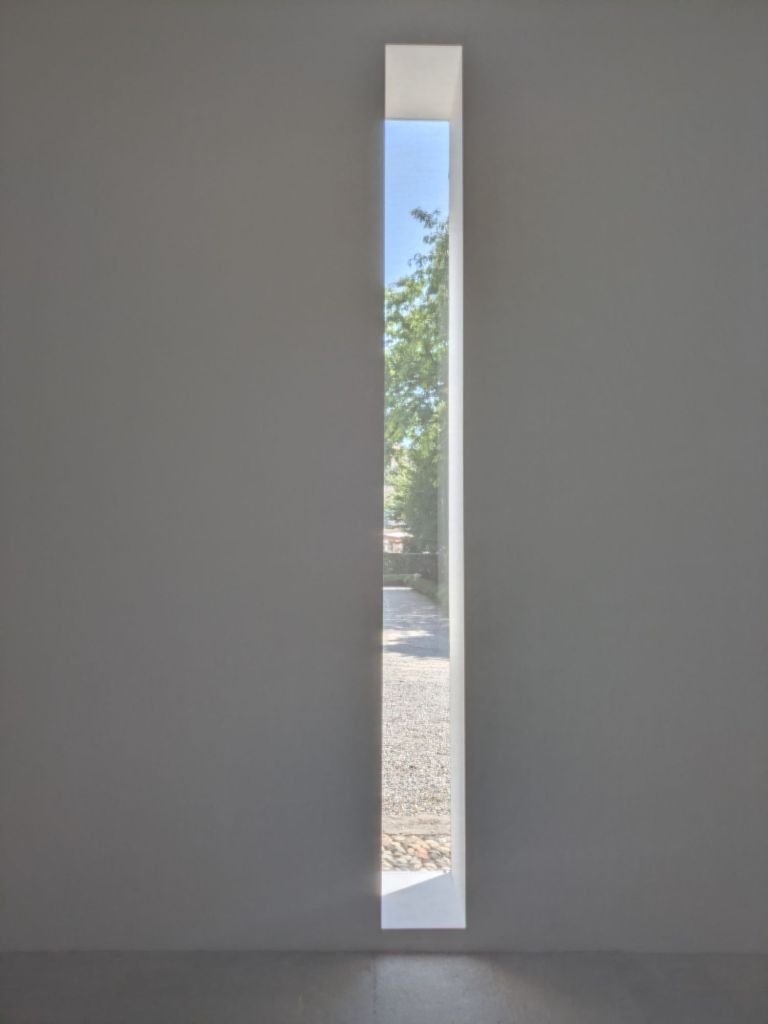


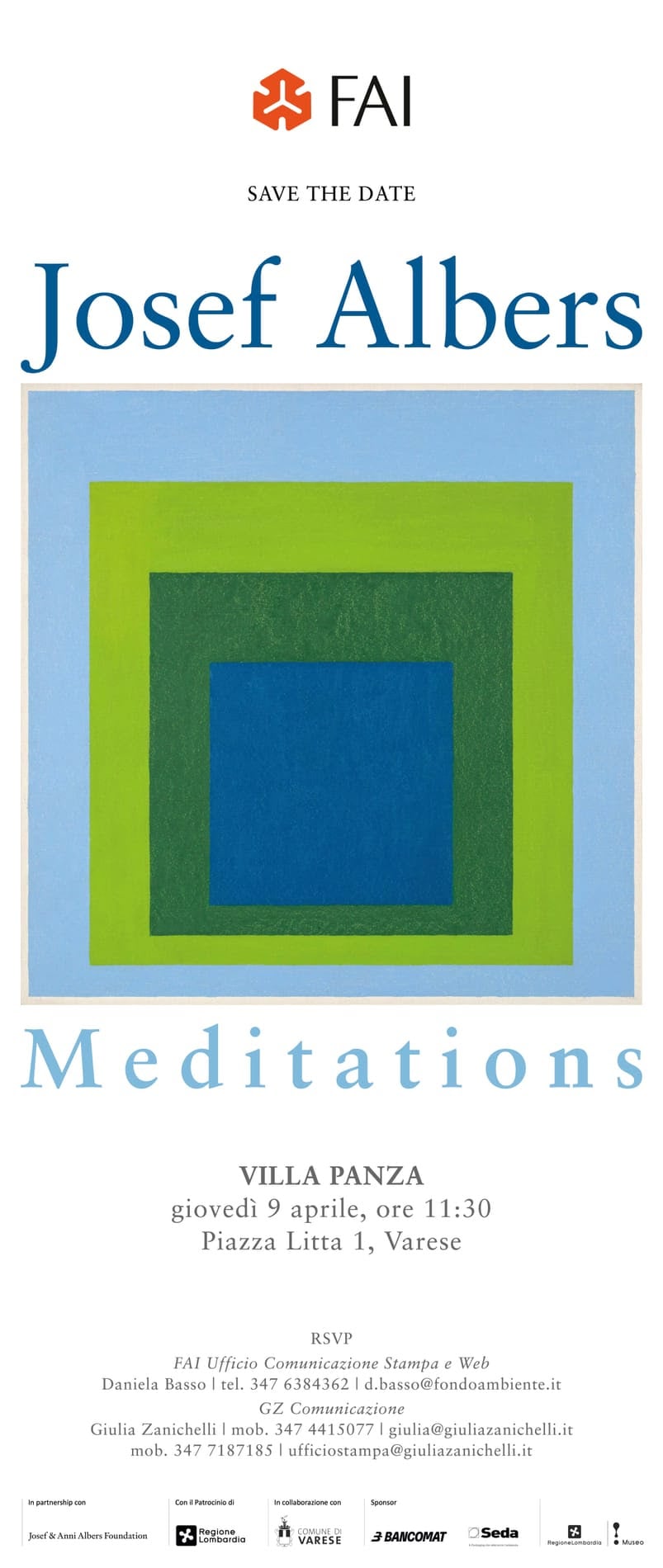
It is then remarkable how illuminating the temporary exhibition of Joseph Albers’ ‘Homage to the Square’ works is in the context of these other artists. None of the painters or artists working with light studied with Albers at Yale or Black Mountain College after he had arrived in the USA, but ‘Interaction of Colour’ was first published in 1963, maybe a critical moment for some of these artists.
What art have I seen? Parco Arte Viviente
Finally got to visit this project, started by Piero Gilardi the Italian ecological artist, on a day when the temperature hit 37°. PAV is near the railway lines, overlooked by high-rise housing, and has a tire shop opposite. It is a little patched at the moment, but it is still cooler in amongst the trees and they have cold water for visitors – the only place we visited with free cold water…
I think I first encountered PAV through an announcement of an exhibition called EARTHRISE, Visioni pre-ecologiche nell’arte italiana (1967-73), a group show of Italian artists and designers who were making ecological work from the late 1960s in a distinct mode from Anglo American artists of the same period. Earthrise included works by artists Piero Gilardi and Gianfranco Baruchello, Ugo La Pietra, and by architect group 9999. I didn’t see the exhibitions but I have the catalogue in the ecoartscotland library.*
PAV comprises three elements: the outdoors and installations, the permanent work by Gilardi installed in part of the building, and the galleries for temporary exhibitions. There is also an extensive education and engagement programme.


The winter entrance is the obvious one into the main buildings. The summer entrance is on the street around the corner and takes you into the park first. The main buildings are embedded in the landscape, earth mounded up around them – Gilles Clément’s ‘Jardin Mandala’ structures the roof space.
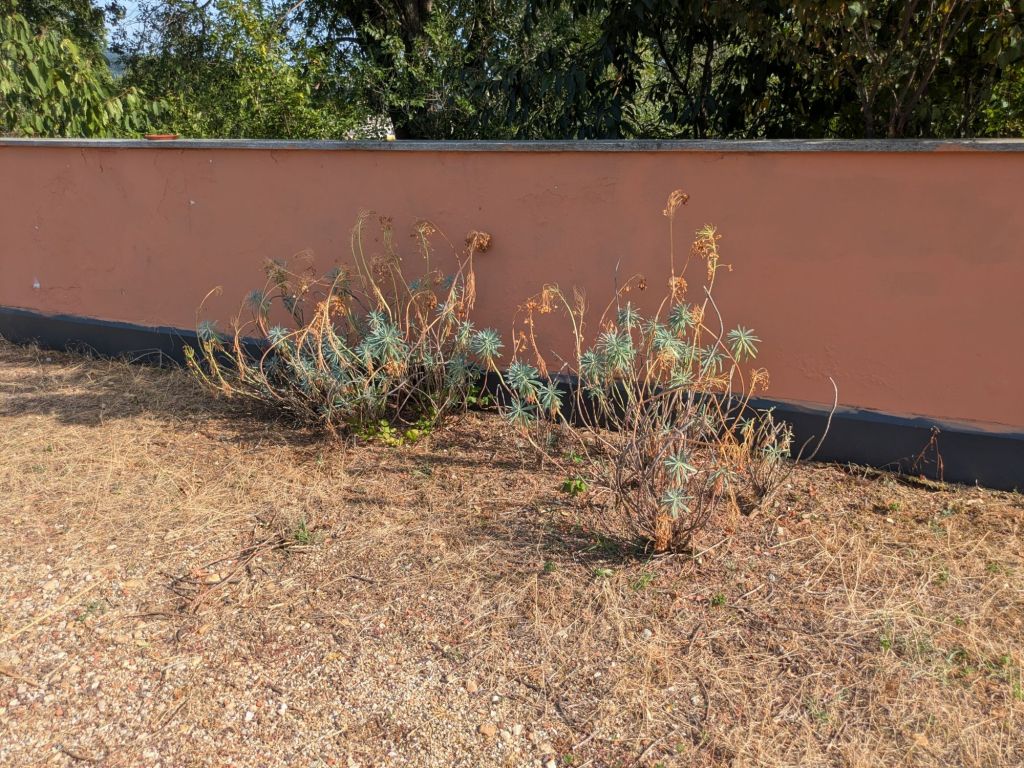


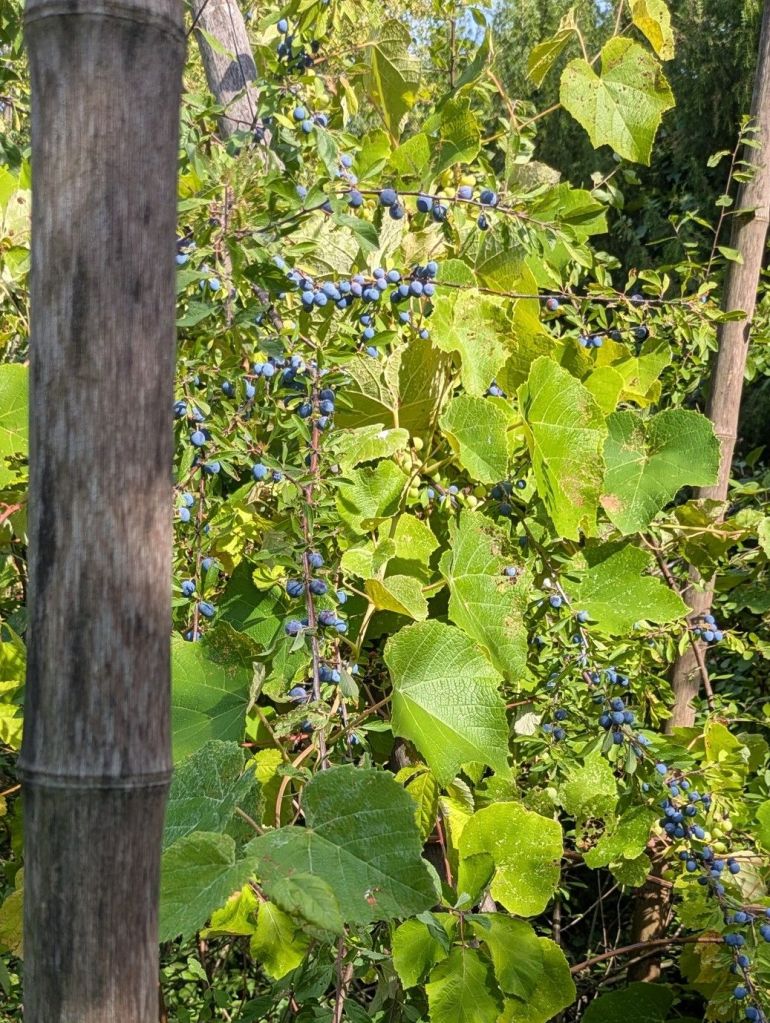
There are a number of works installed across the park alongside infrastructure for school visits. These are mostly focused by biodiversity one way or another.

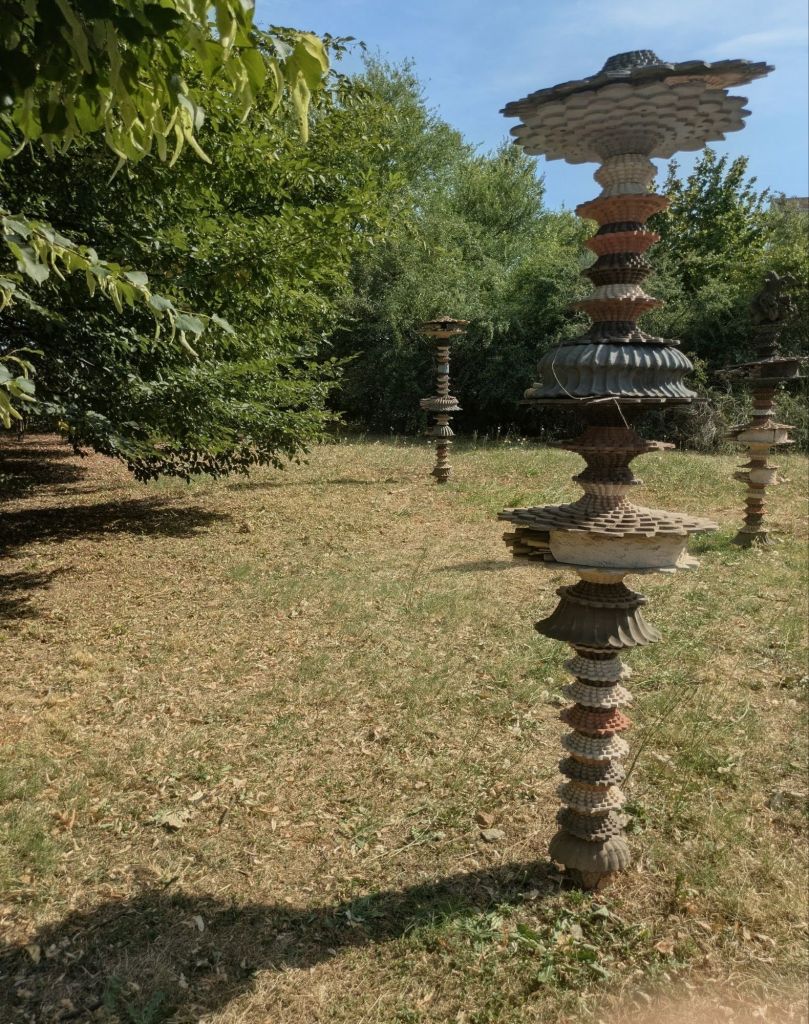
Some structures are more ornate, for example Michelle Guido’s bug hotels. Full list of works here.
‘Biome’, the permanent ‘ambient’ installation by Gilardi in the main building, is a series of interactive works in a flowing series of rooms. Building off Gilardi’s 1960s ‘carpet nature’ works, these pieces engage different senses. Made in the 2004/08, where the carpet works were late 60s, these invite and react to touching. There is something very much about the animacy of everything at the heart of this. Description of ‘Biome’ here.
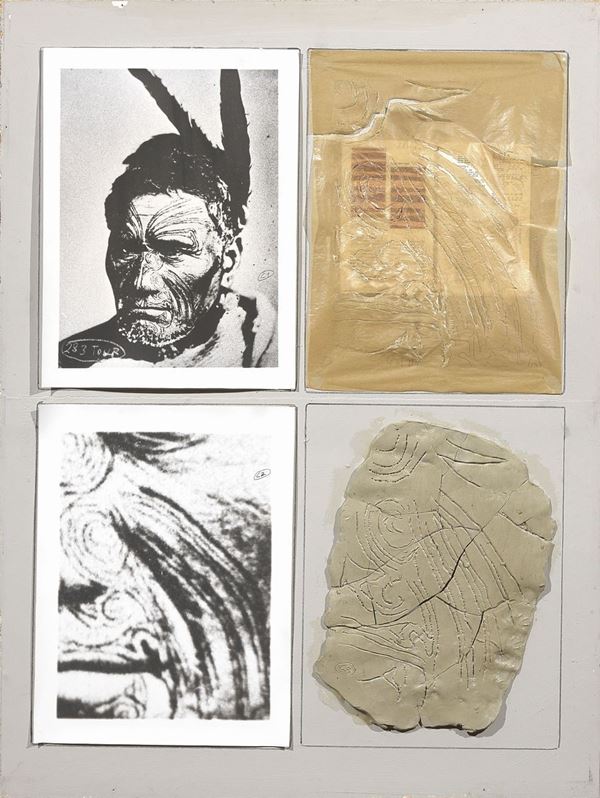
The temporary exhibition is a retrospective of Claudio Costa (1942-1995) entitled ‘Metamagico’ and curated by Marco Scotini, who also curated EARTHRISE. The works suggest a journey with a central developing focus: “…Costa theorises the concept of ‘Work in Regress,’ a journey backwards toward human origins as an alternative to linear progress.” This framing provides a useful undergirding to the body of work, as does the affiliation with Arte Povera and Fluxus.
The publication explains why Costa is specifically relevant to the PAV mission saying “Claudio Costa occupies a unique position: he does not represent nature; he uses it as an archive, as a system of signs, as material that carries within itself the traces of biological and cultural time, convinced that the natural past is not list but always latent, capable of being exhumed by the artistic gesture.”
There is something very contemporary about Costa’s developing and changing interest in traditional ecological knowledge.
English text of publication here:
and list of works here:


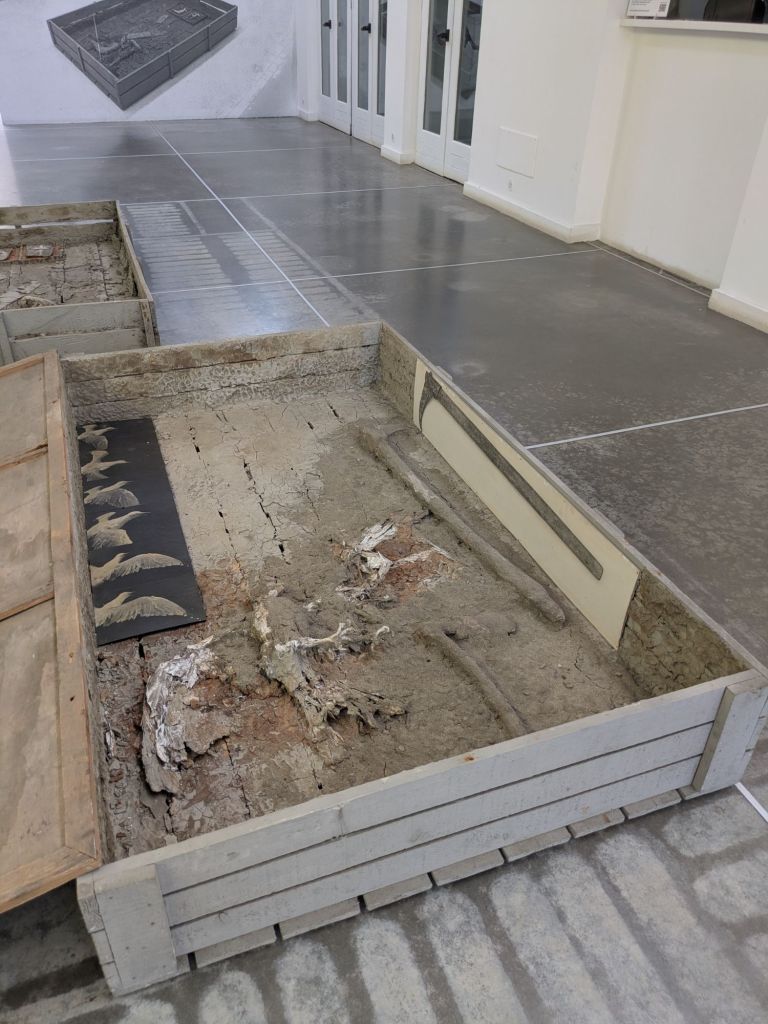
It is interesting having just seen Kiefer’s ‘The Alchemists’ because all the women honoured and celebrated in that would have recognised the philosophy behind PAV, they would have walked around the grounds understanding the value of the planting, and they would have been interested in Costa’s work too. In the park they would have directed more pruning and maintenance and they, given how many of them produced books of guidance, might have asked for the interpretation to be more focused on the practical and spiritual uses of the plants. I can imagine they would expect a room in PAV to be devoted to the alchemy practiced by these women focused on distillation, the preparation of spirits and salts, domestic pharmacopoeia, and the management of gardens. Many of the women were part of the nobility, so they would recognise the grandeur of Kiefer’s installation, but they would know how to use PAV.
*It provokes an interesting thought about the need to pay attention to the different geographies of emerging ecological practice, in Scotland, in Japan, in South America. After all the Earthrise photo was ubiquitous in its distribution and impact, as were other events and concerns.
What art have I seen? The Alchemists
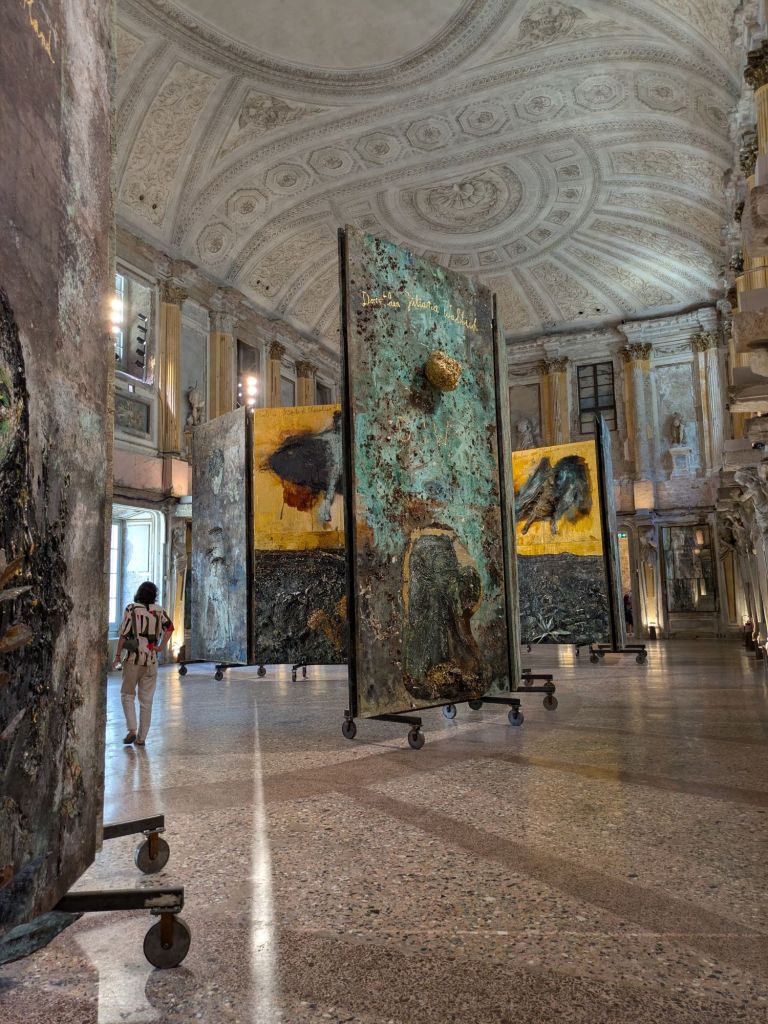
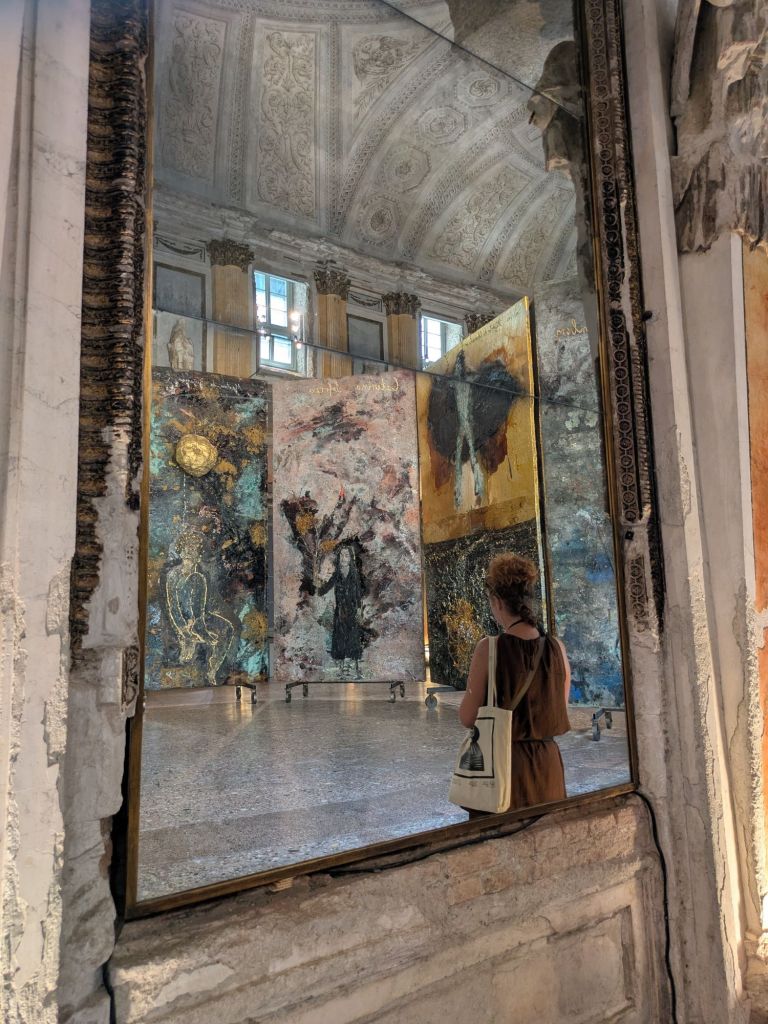
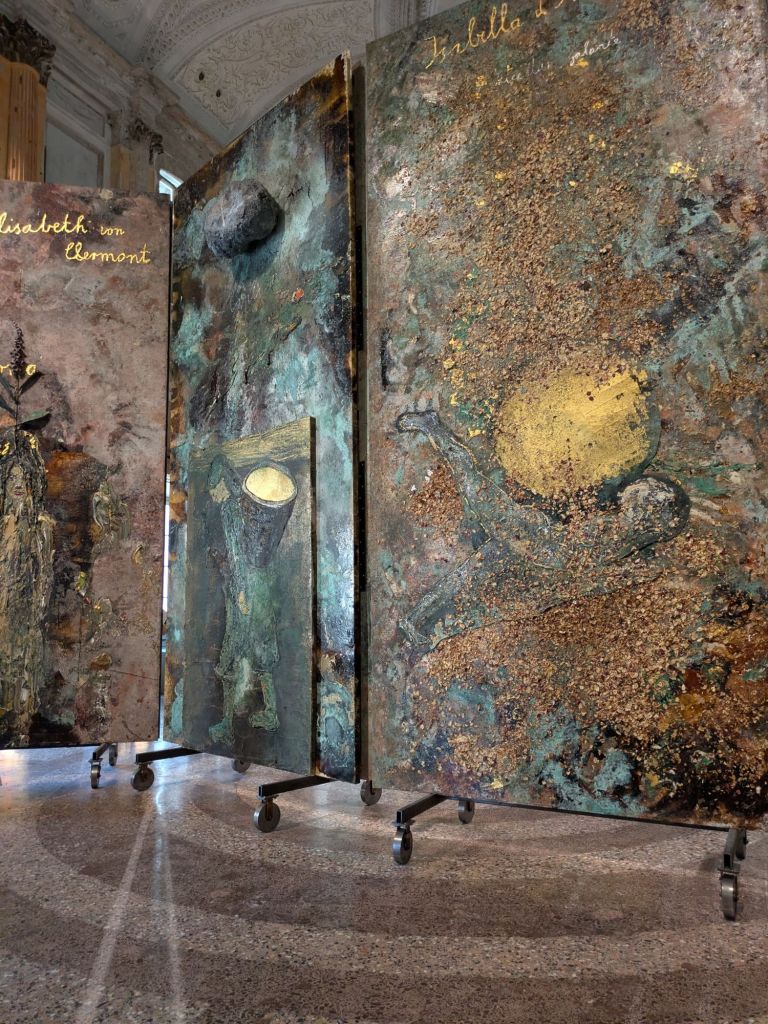
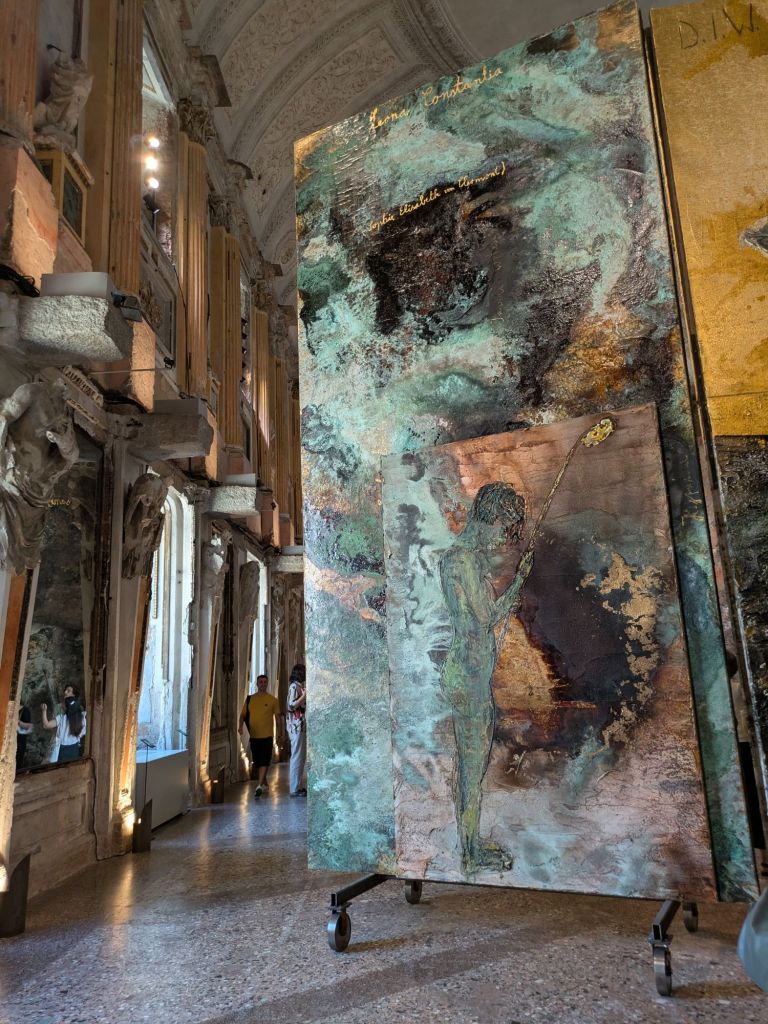
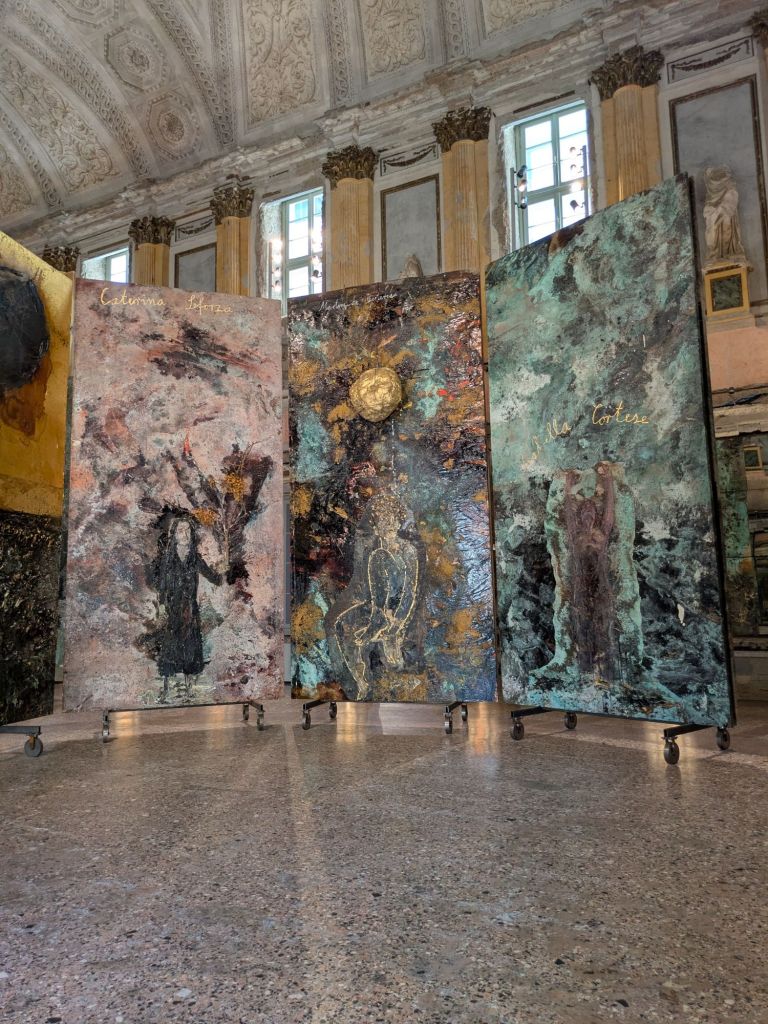
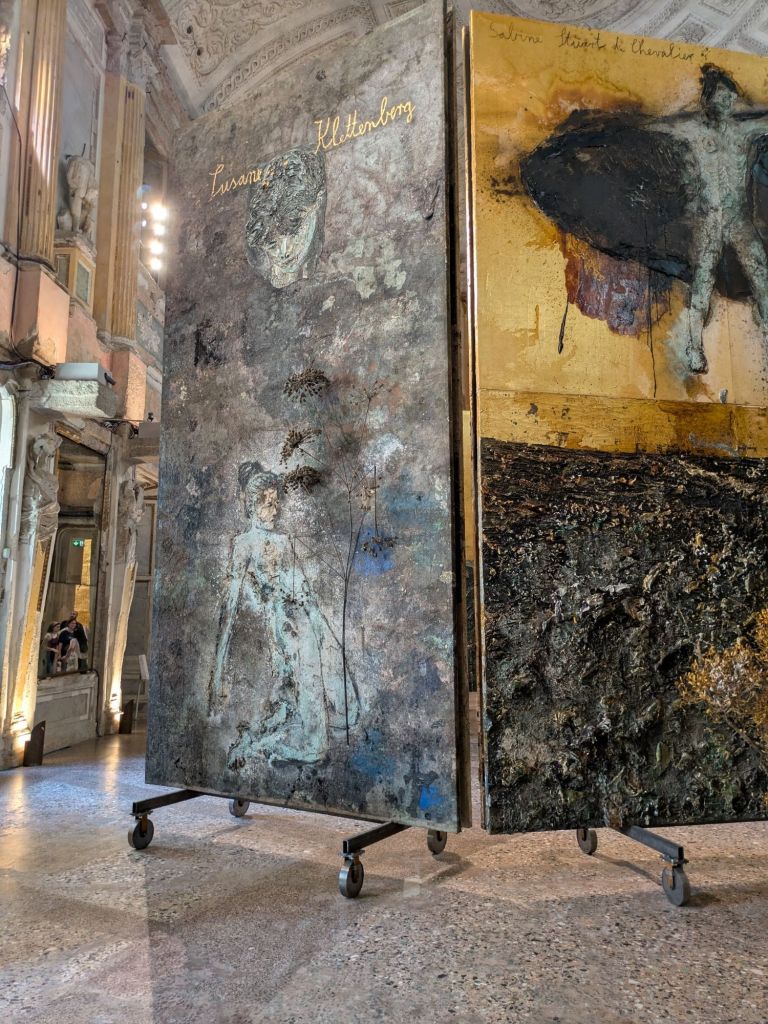
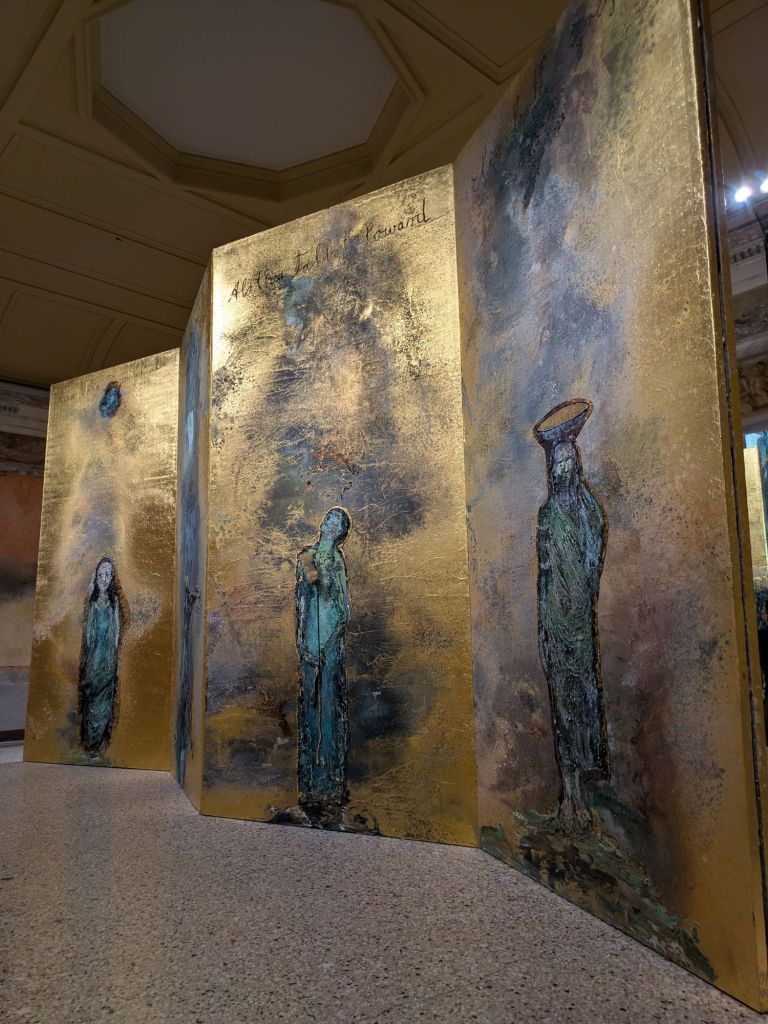
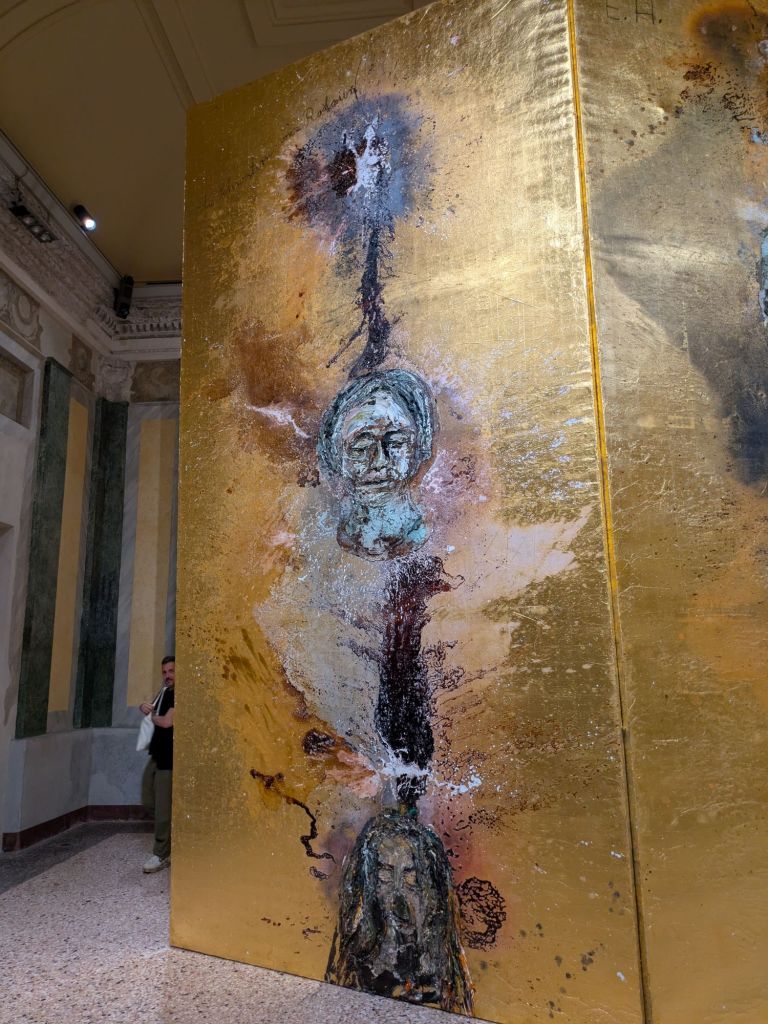
Installation of Anselm Kiefer’s group of works dedicated to women variously excluded or written out for their knowledge of plants, medicine, transmutation and life.
On the one hand it is very much Kiefer, on the other, where in the past you could hear the tracked vehicles in the winter landscapes. These on the other hand might still be landscape but this is different. Some are fields of gold, whilst others might be polluted. I’m not sure there isn’t a question about whether alchemy doesn’t have an inherent complexity. Turning lead into gold probably isn’t a clean process.
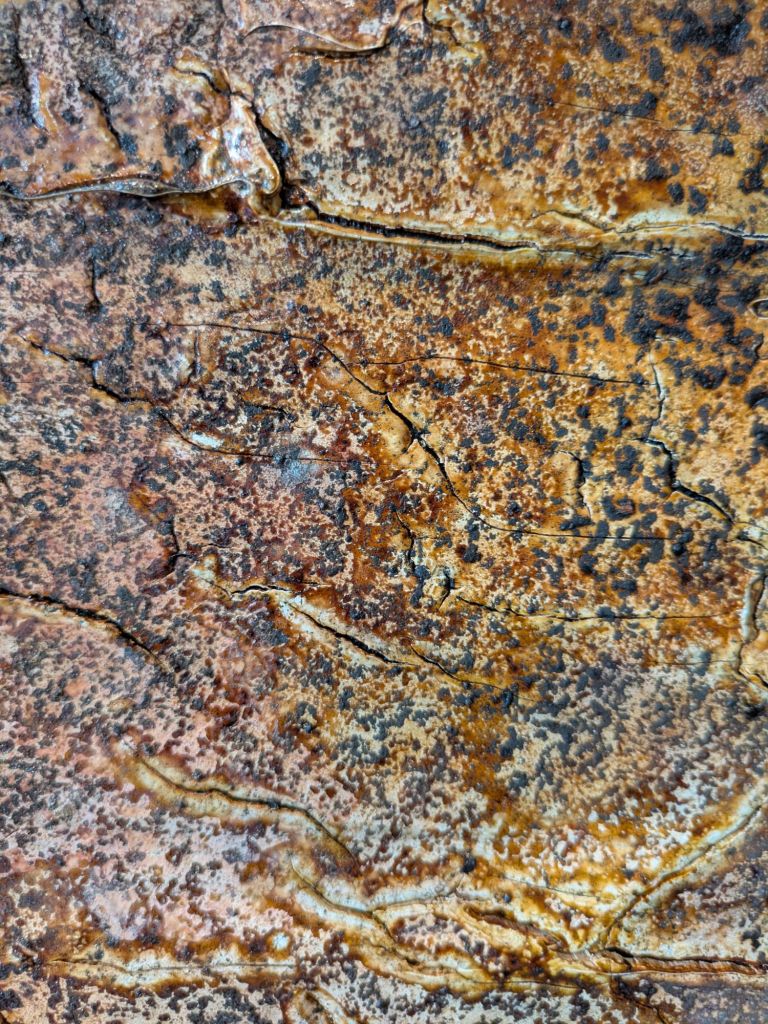
The room these works are installed in was bombed by the Allies in WWII and has been restored though the caryatids have been left. The ceiling is painted rather than plaster. The floor is patched terrazzo.
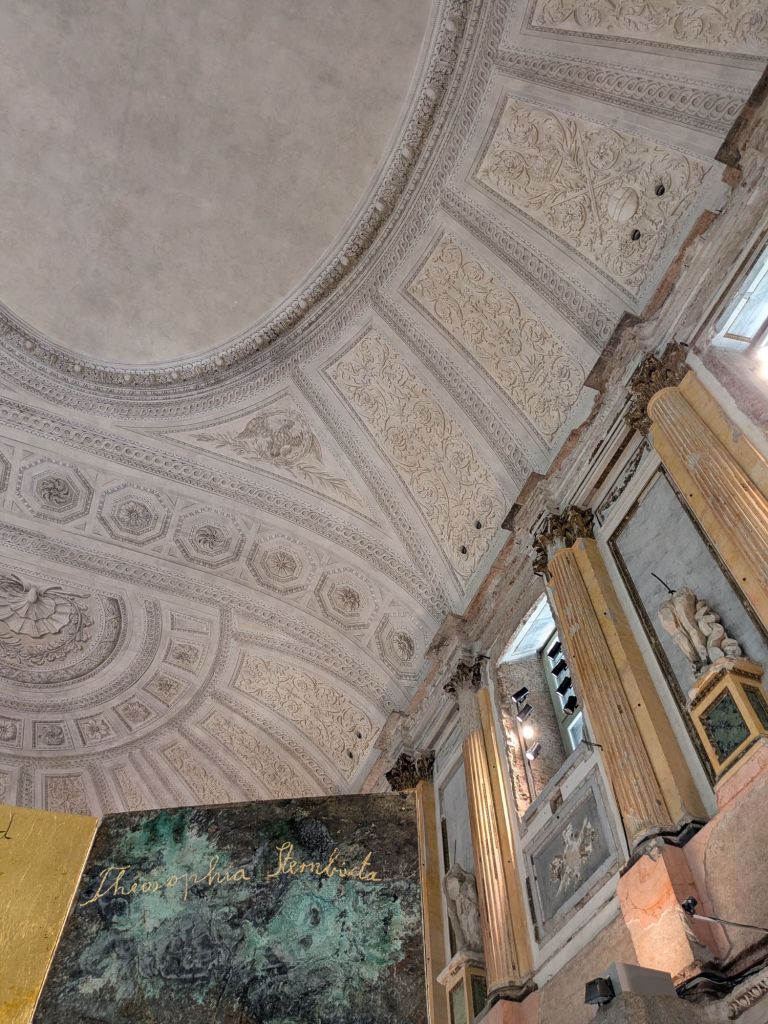
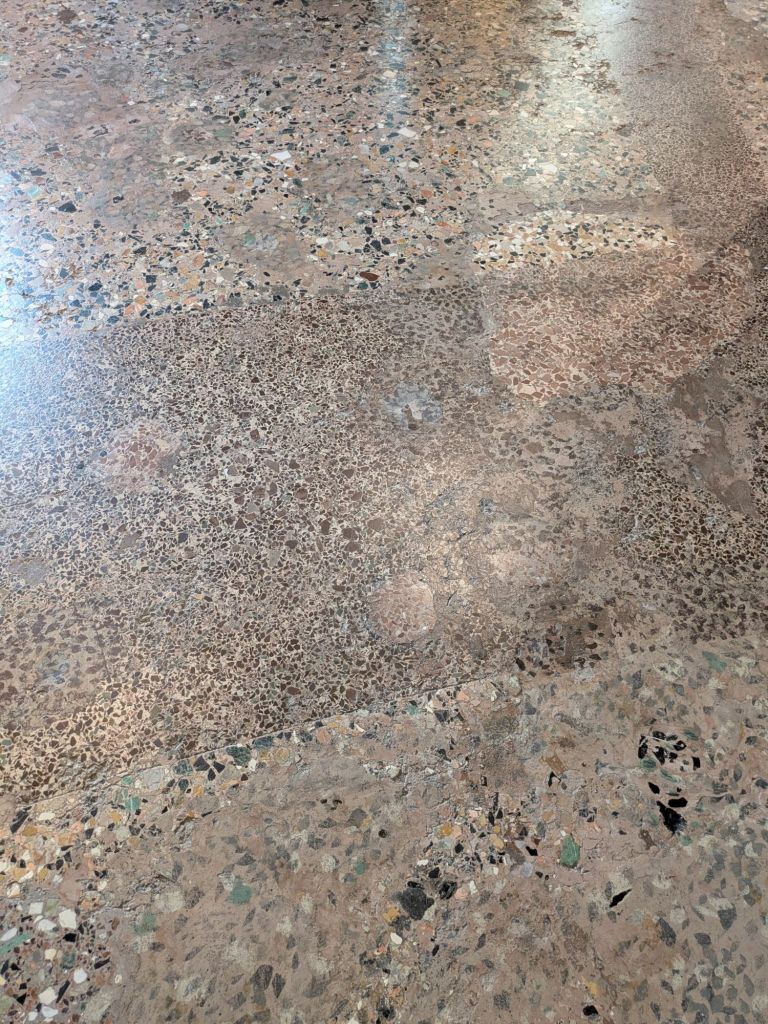
The mirrors installed around the room add to the complexity. You can see why Kiefer liked this space.
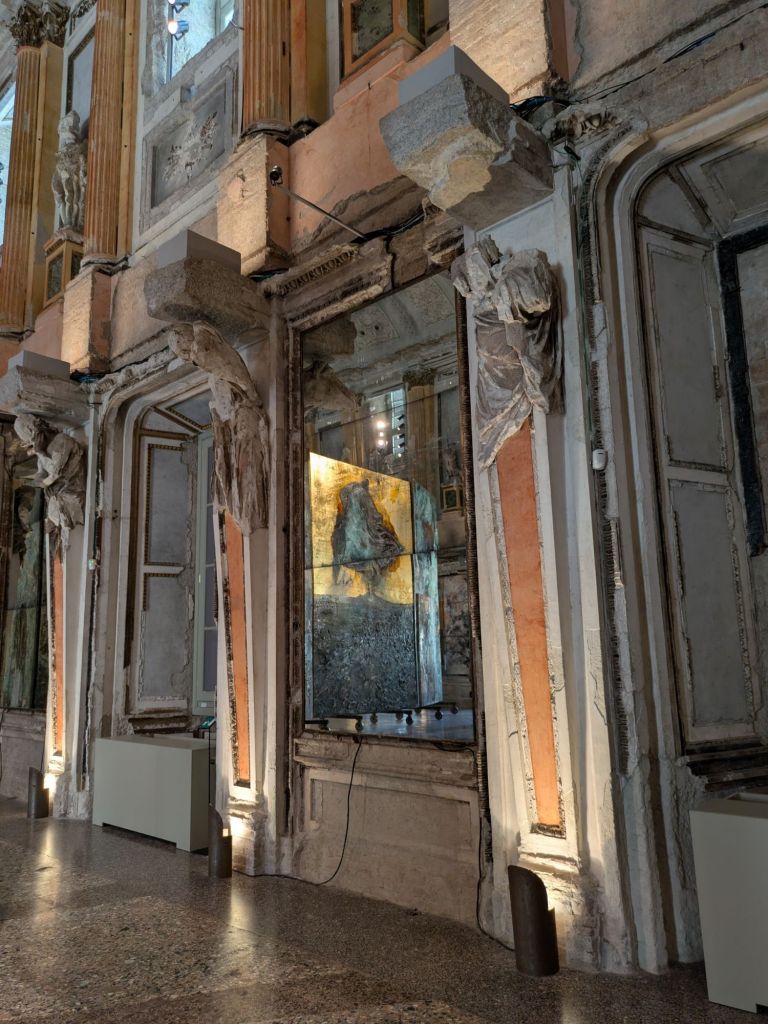
And it is worth thinking about these as paintings. You can’t quite see the back of the canvas in the photo.
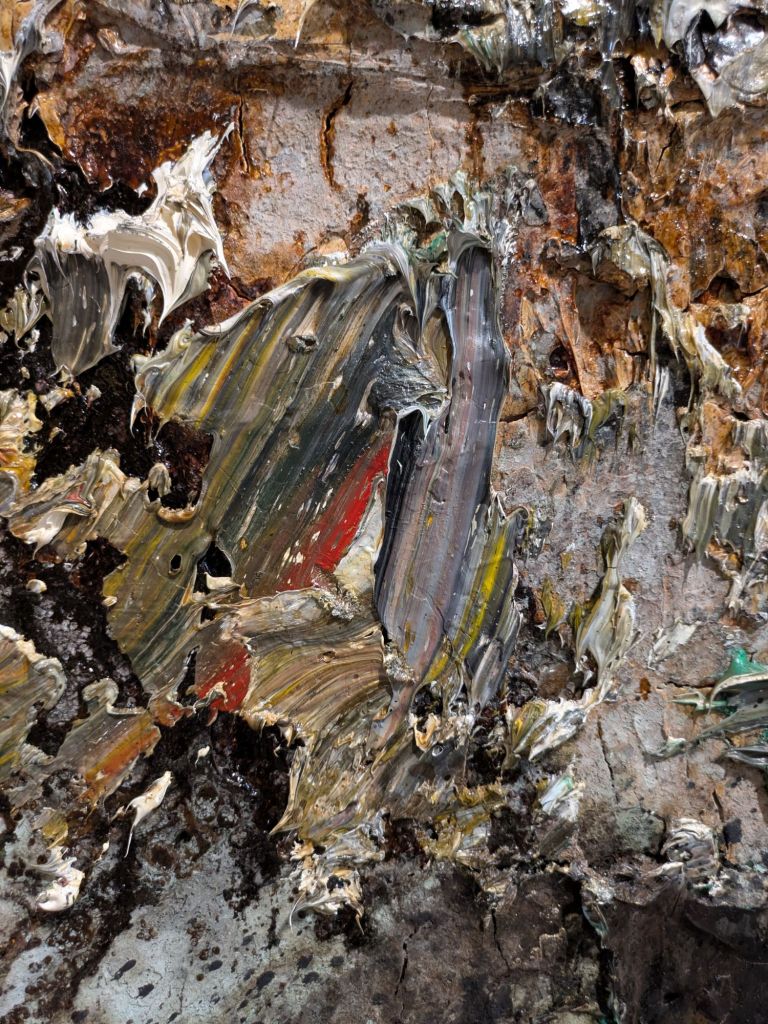
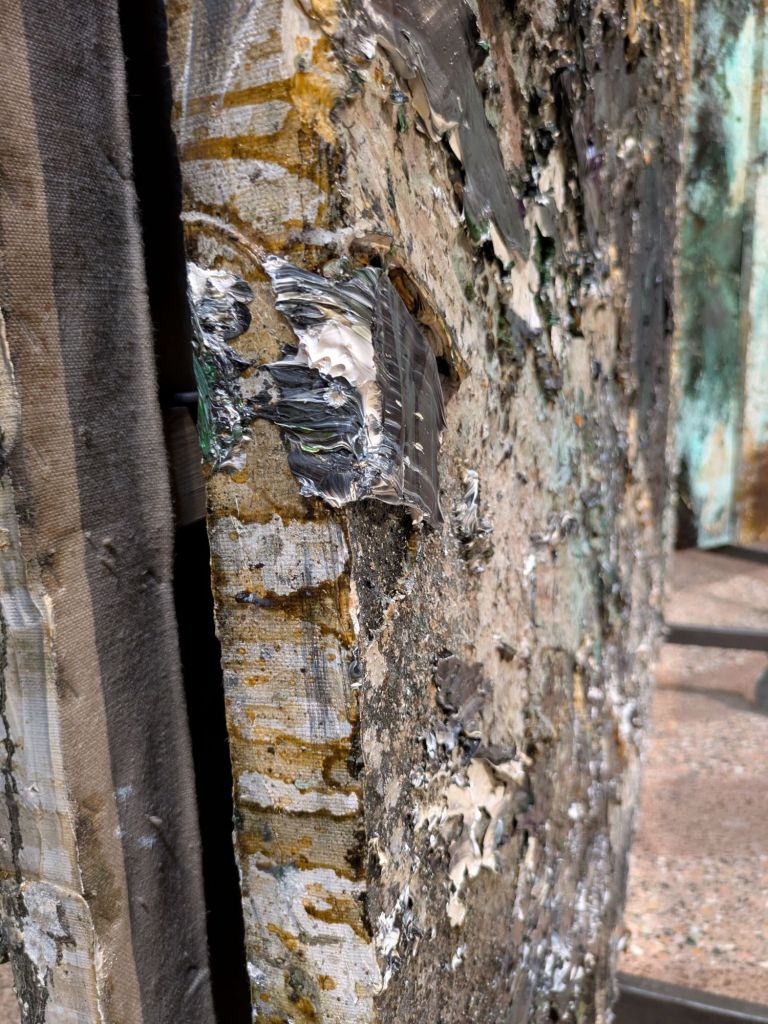
But Kiefer has a fabulous graphic ability
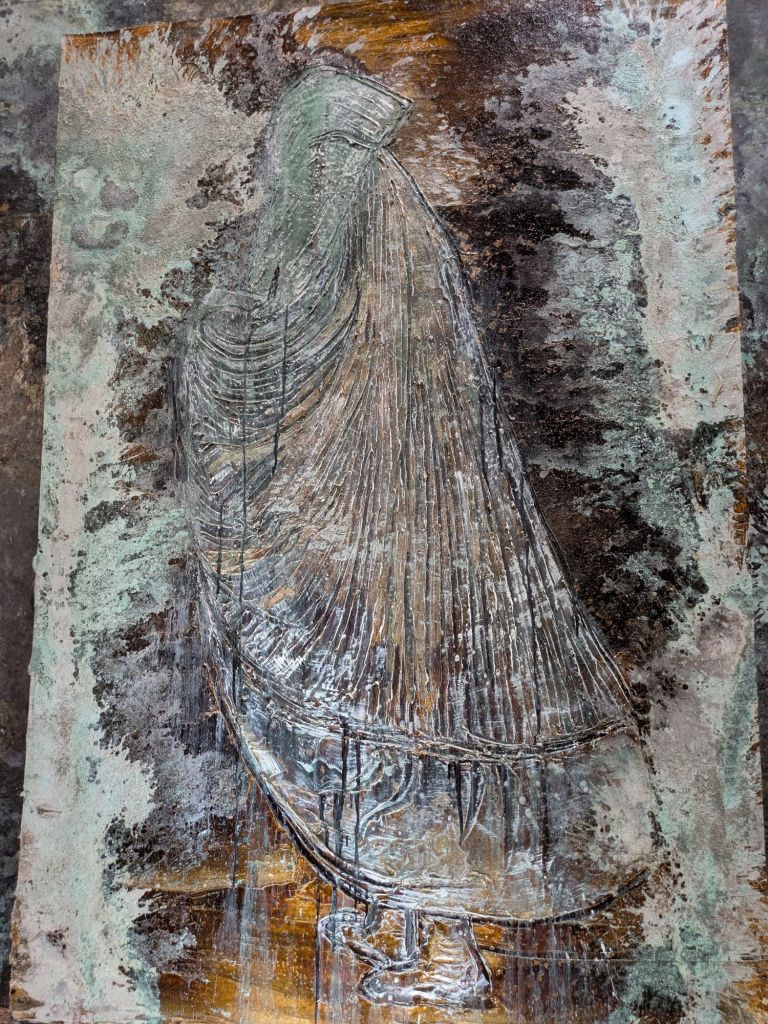
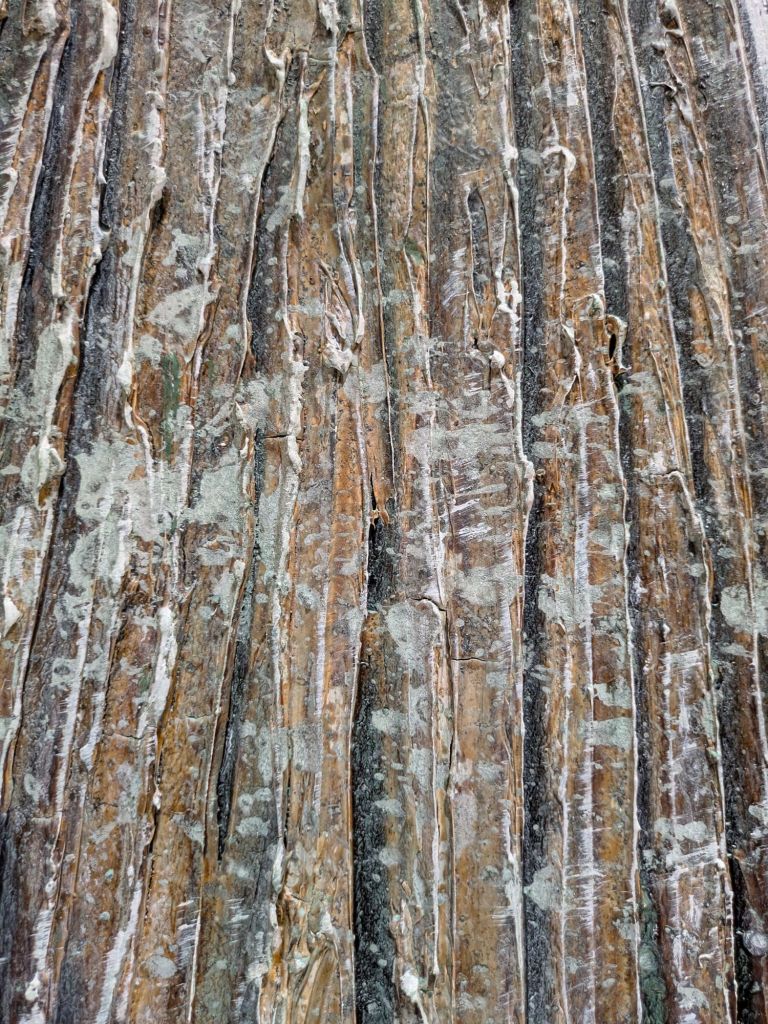
And this face could be from a graphic novel
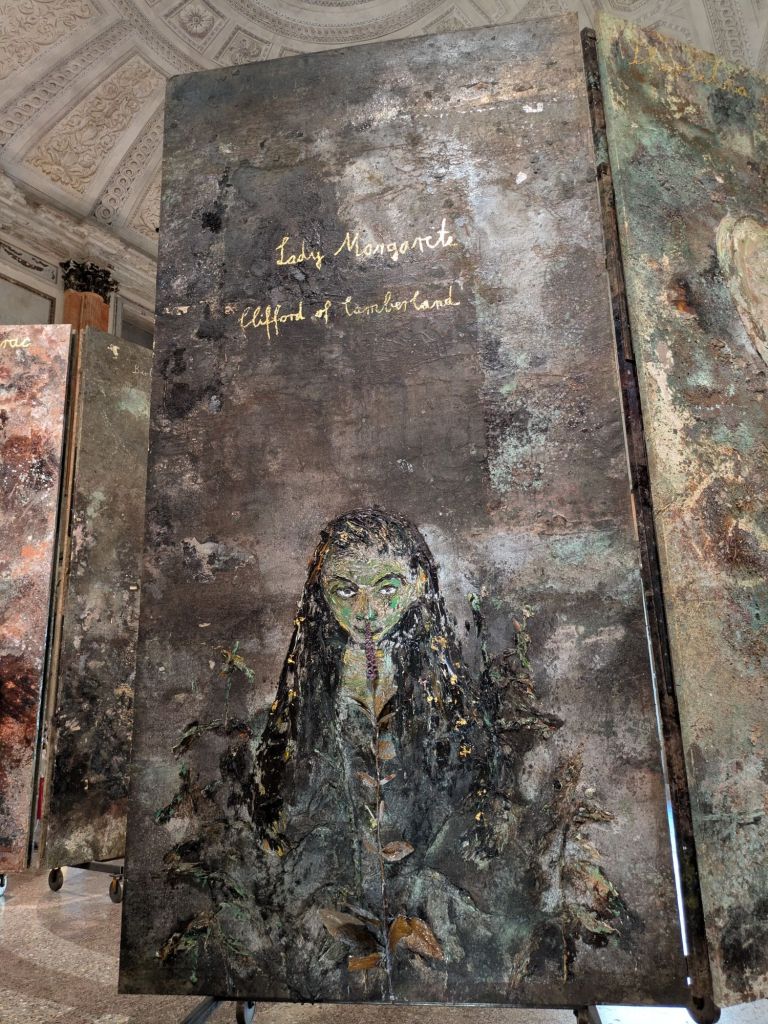
We might have stereotyped these women as ugly, old, fat, hairy but Kiefer convinces us of their power
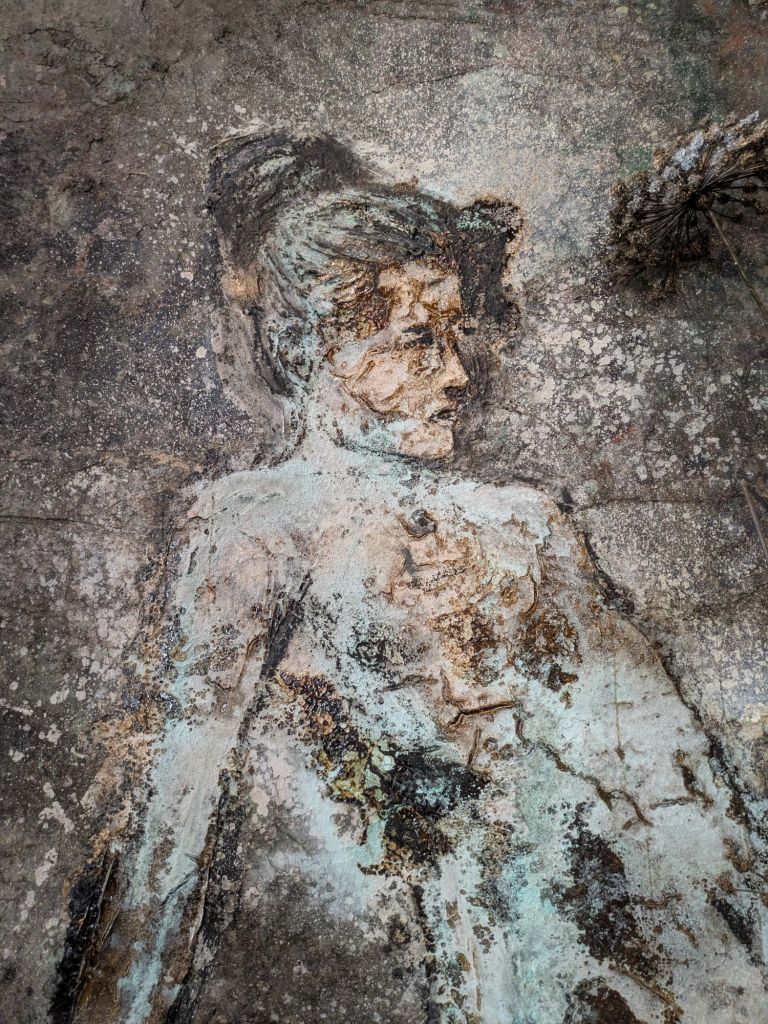
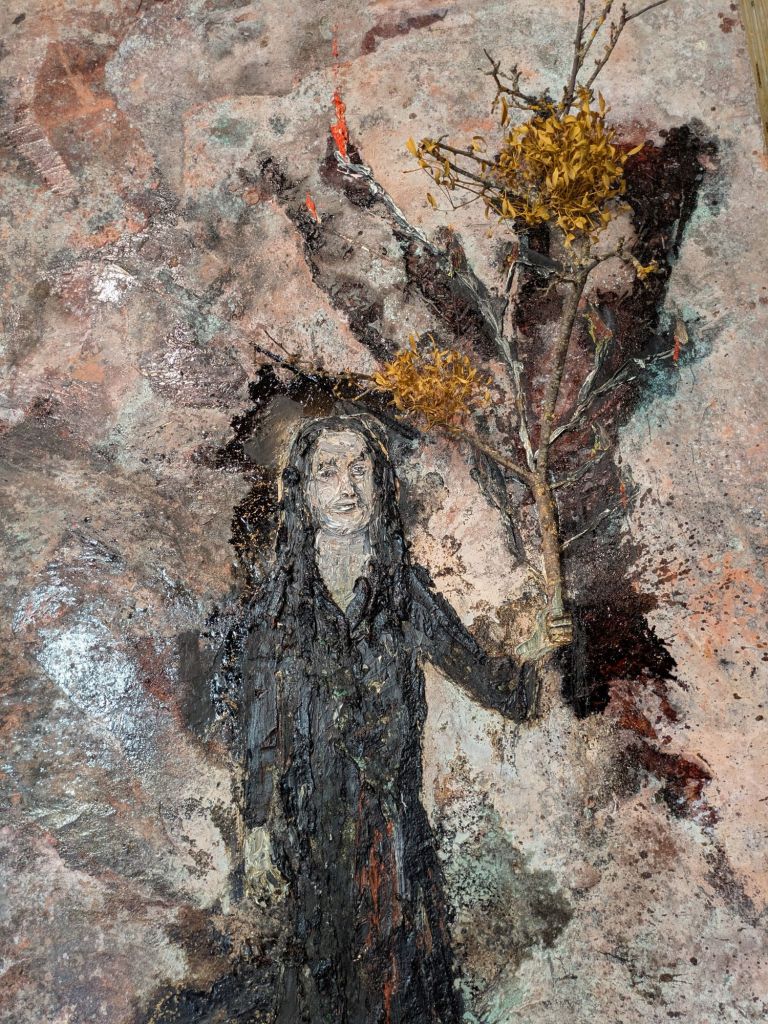
The catalogue provides fuller biographies to the extent we know them
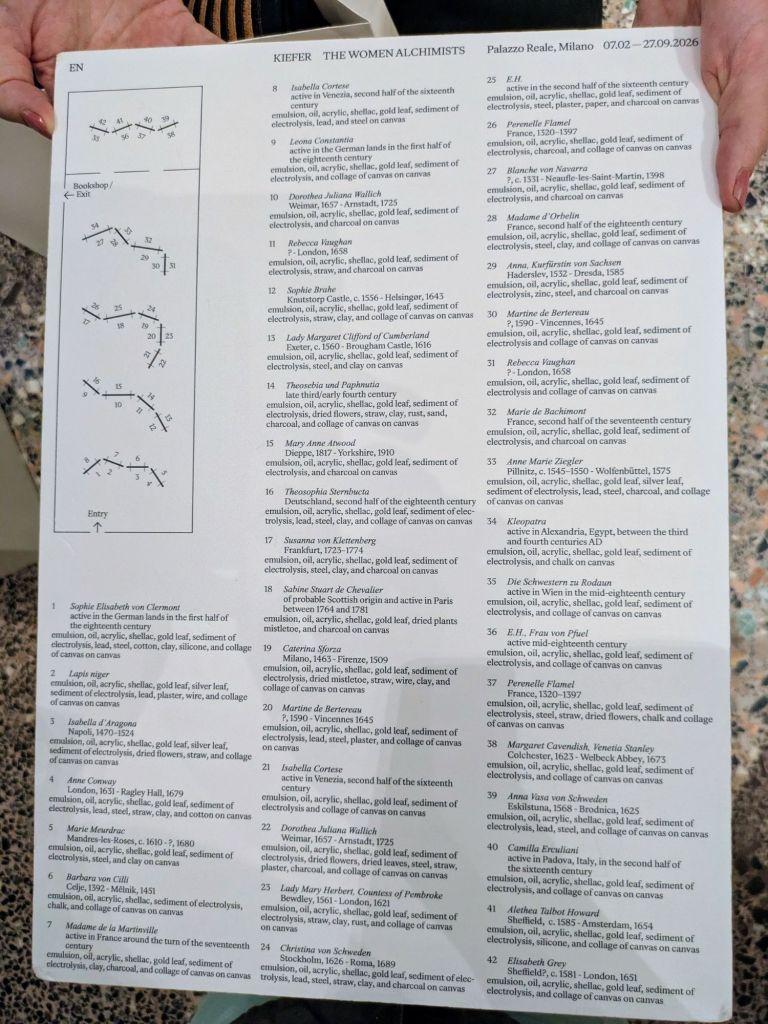
The New Art Examiner has a good review of The Alchemists
‘Inspiration, she does not visit the lazy’
David Hockney RIP
Apparently Hockney said this to Tacita Dean’s son. Guardian 13 June 2026
What art have I seen? The Attuning Zone
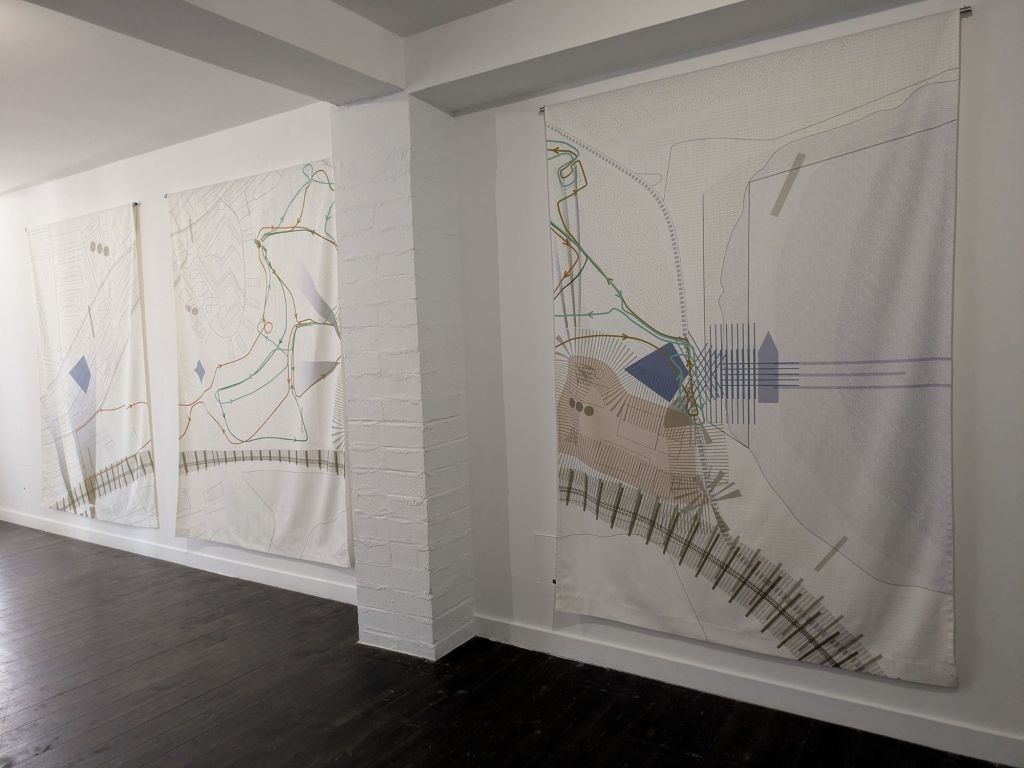
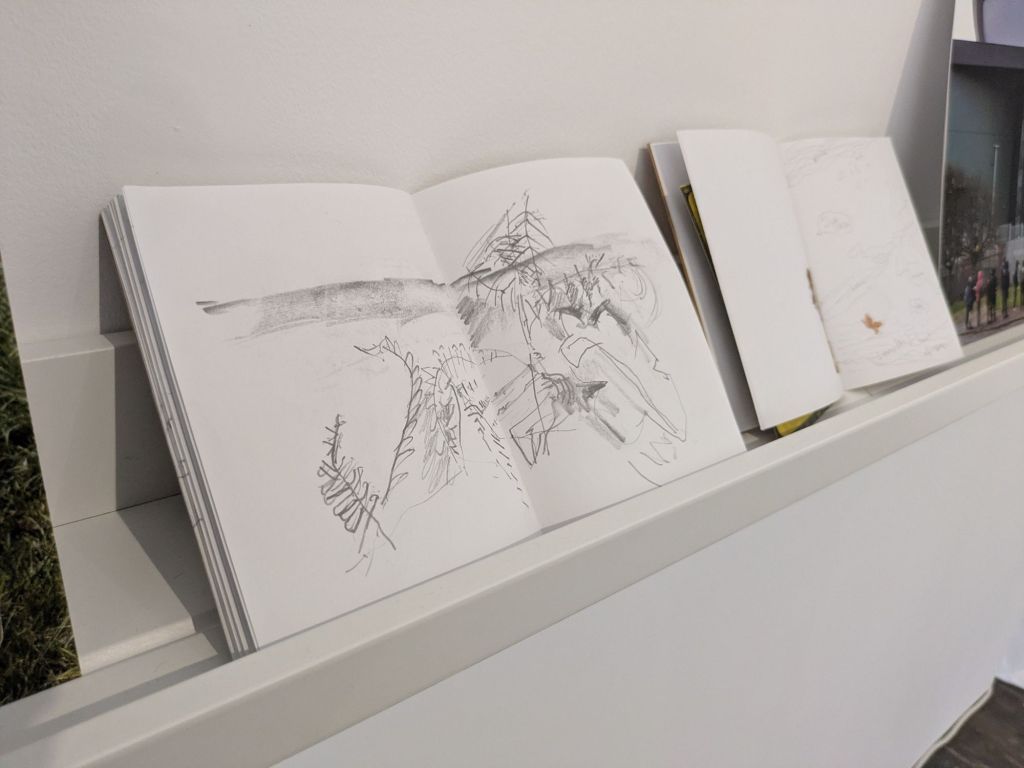
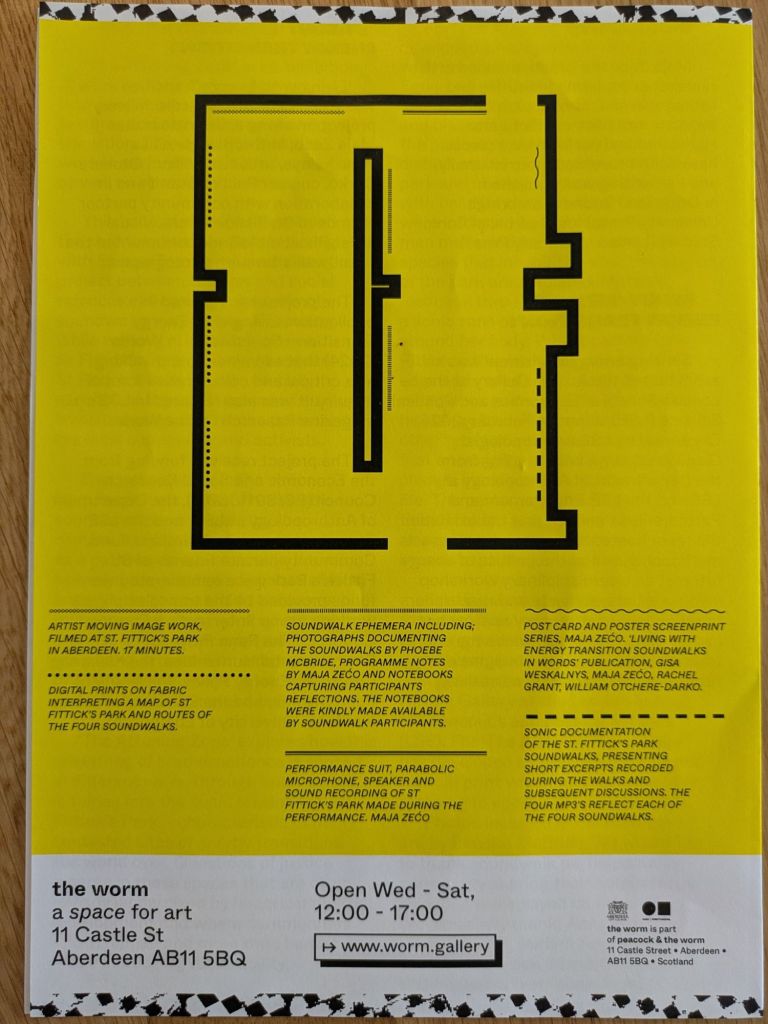
Maja Zeco’s exhibition at Peacock’s Worm Space in Aberdeen.
Listening to people talking about background sound, listening to background sound whilst watching very little happening (sources of sound mostly off screen), standing next to an outfit for listening with gear and sound merges with feedback into a soundscape: St Fittick’s Park meets Neil Young.
Questions for visitors to take away, drawings made by participants in sound walks, maps with routes across landscapes that are probably familiar to visitors to the exhibition. It’s a research exhibition that is engaging and affective.
The interview between Maja and Peacock Curator Rachel Grant highlights the dynamics and share interests of artists working with sound, her own ‘journey’ to becoming an artist researcher with a PhD, and some of the specific elements of the exhibition.
It is interesting because it appears that the Green Economy, renewable energy etc, is not different from the Fossil Economy unless there is a very robust commitment to Just Transition and to sharing the benefits in really careful ways. Worth reading Nicholas Beuret’s book ‘Or Something Worse: Why We Should Disrupt The Climate Transition‘ published recently.
The article by the Social Scientists working alongside Maja on the Energy Transition Zone in Aberdeen is also worth reading.
What art have I seen? Ecstatic Materialisms
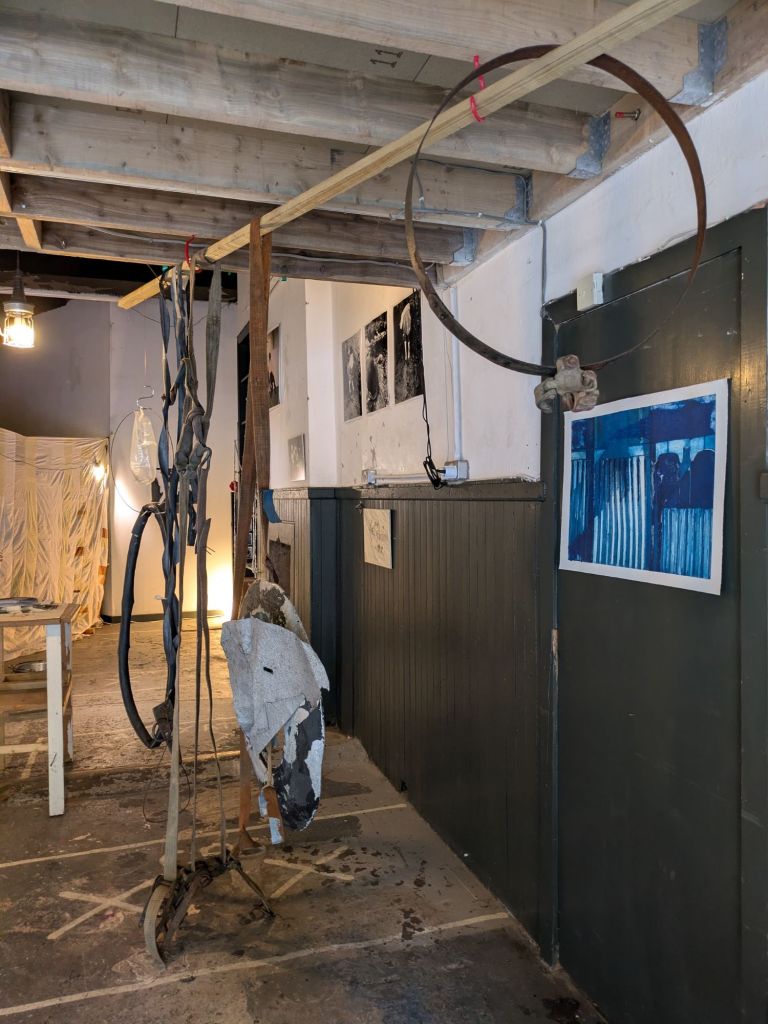
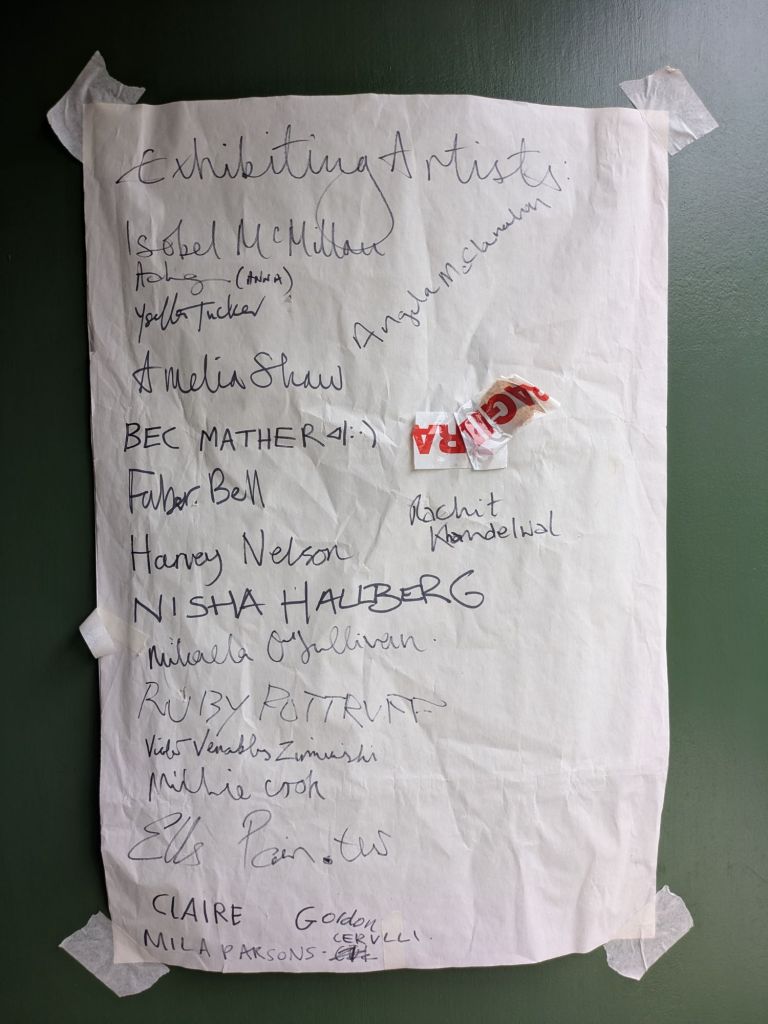
Exhibition by GSA 3rd Year at The House Arts Collective.
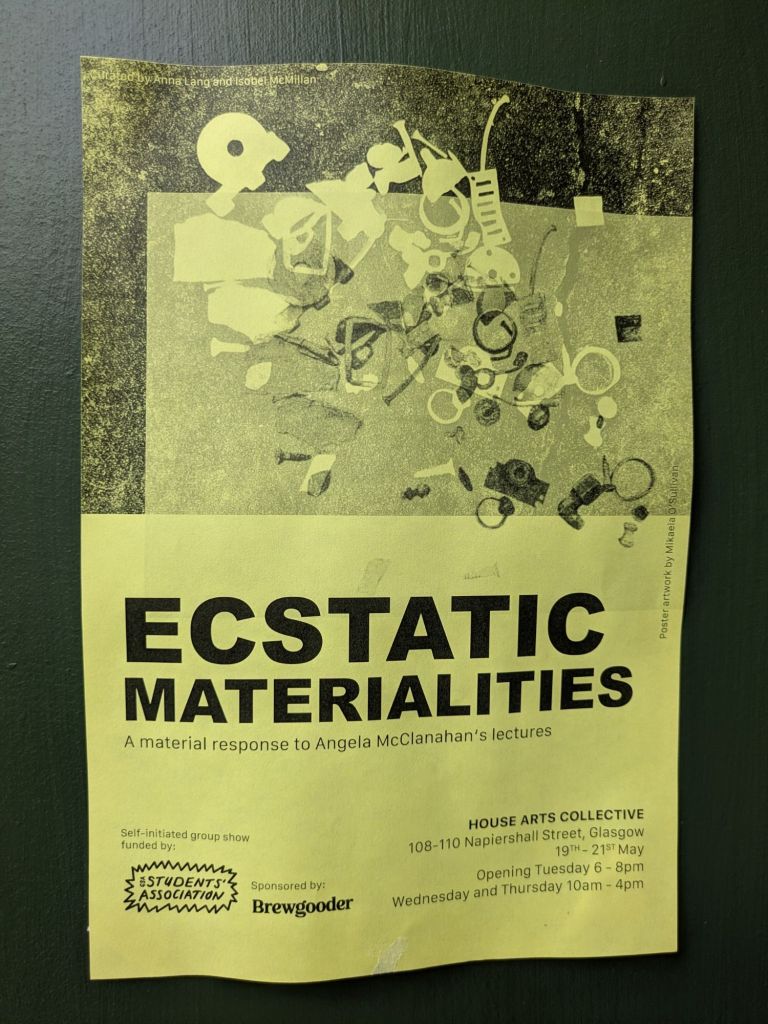
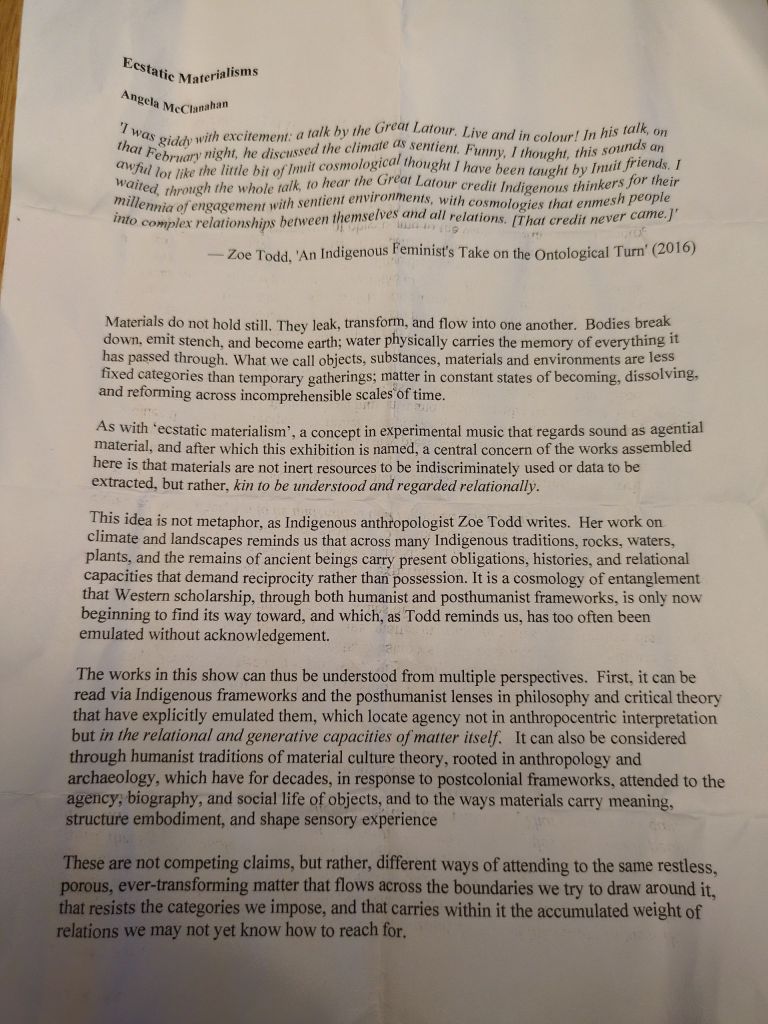
“A material response to Angela McClanahan ‘s lecture”. The exhibition statement starts with a fab quote from Zoe Todd. I first came across Zoe Todd’s writing when a piece on fossil fuels as kin was included in the Metabolic Studio readings on the Oil Industry in LA. More recently I listened to her talk at the Center for Climate Justice. I think kin isn’t just relationality. Our kin are entities in themselves with identities and agency as well as in relation to us. That being said I think anyone who can make work from the cheapest white bread, turning it into a spot the bread game is destined to win the Turner Prize. The whole show is really strong.
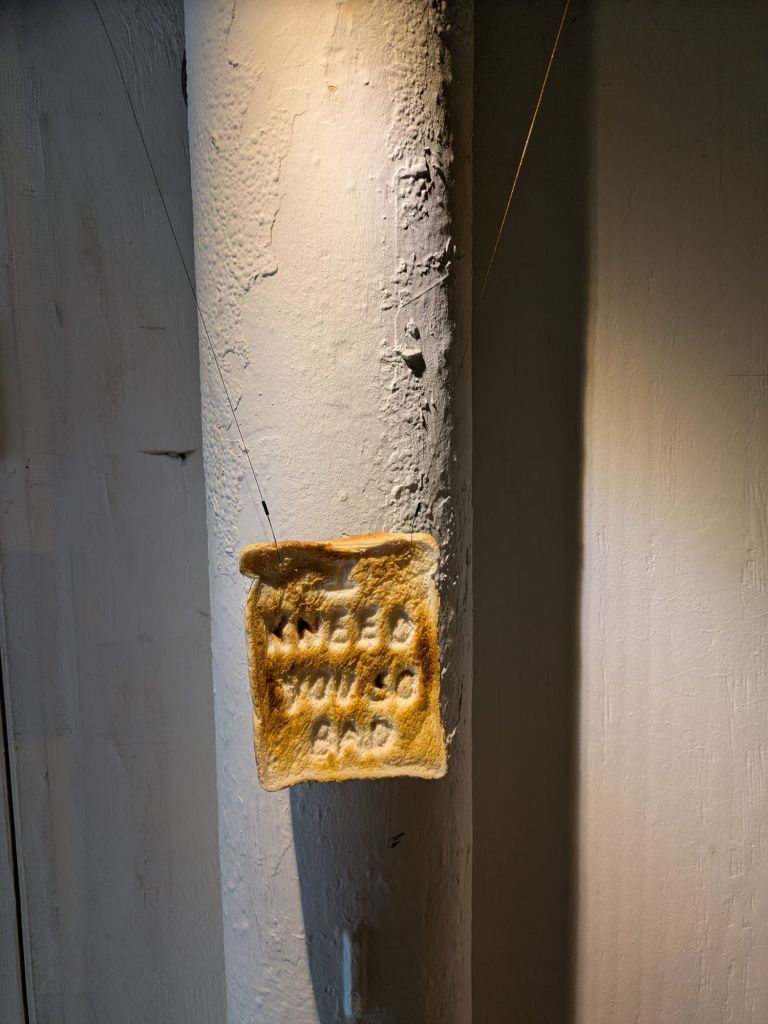
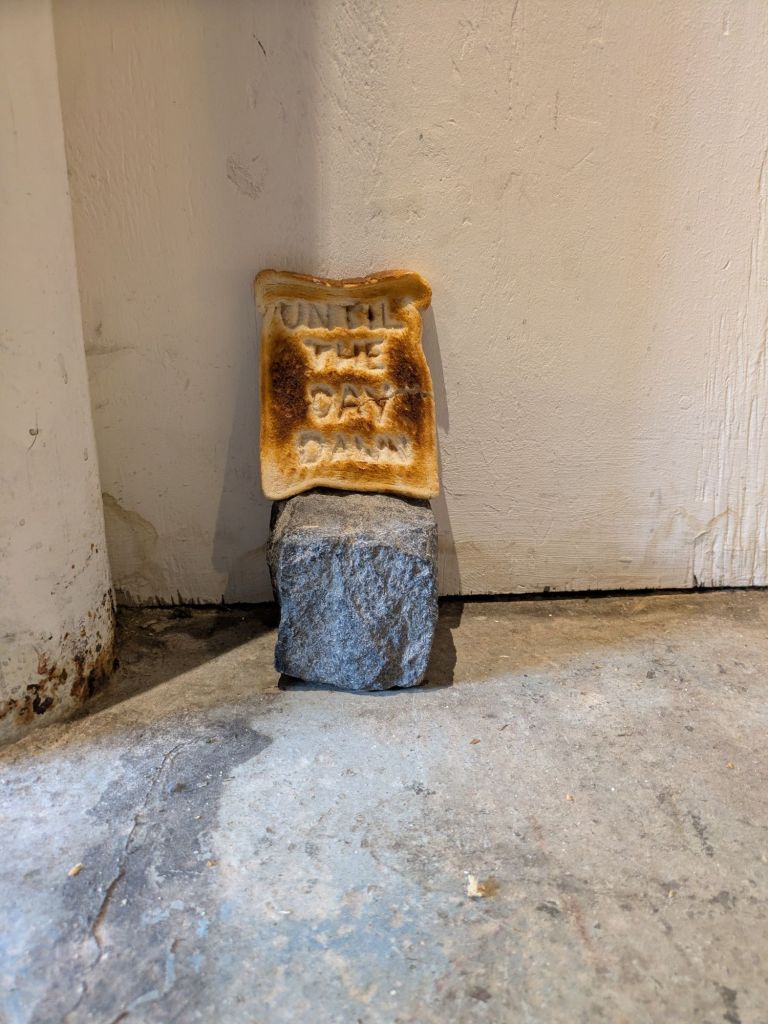
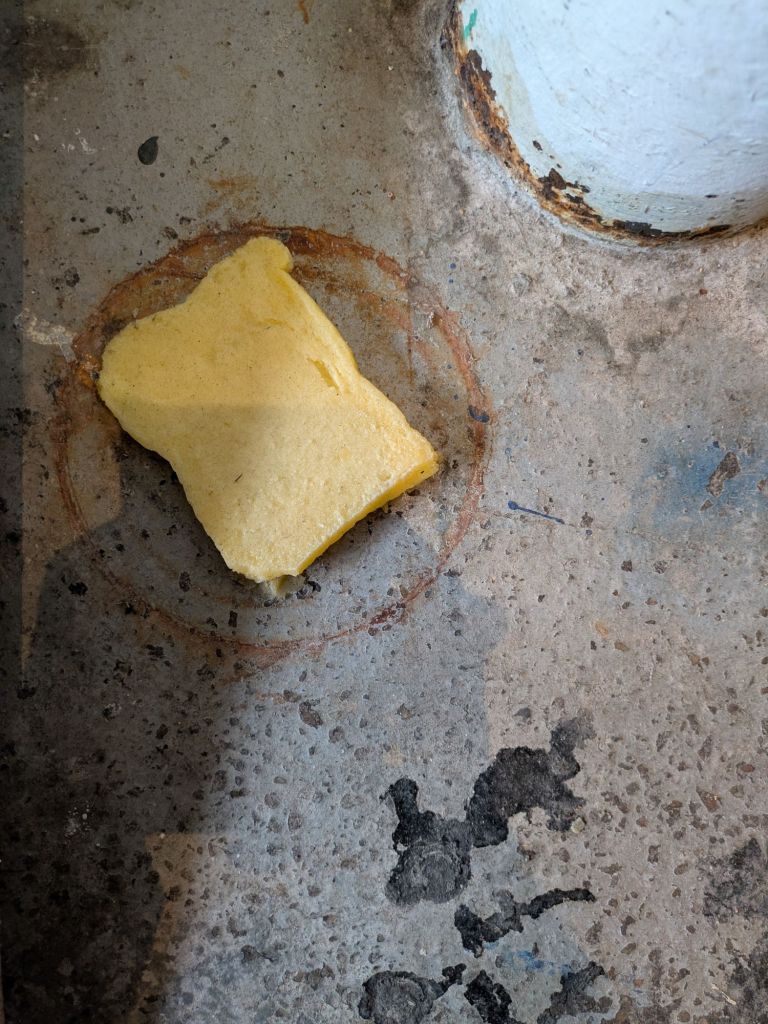
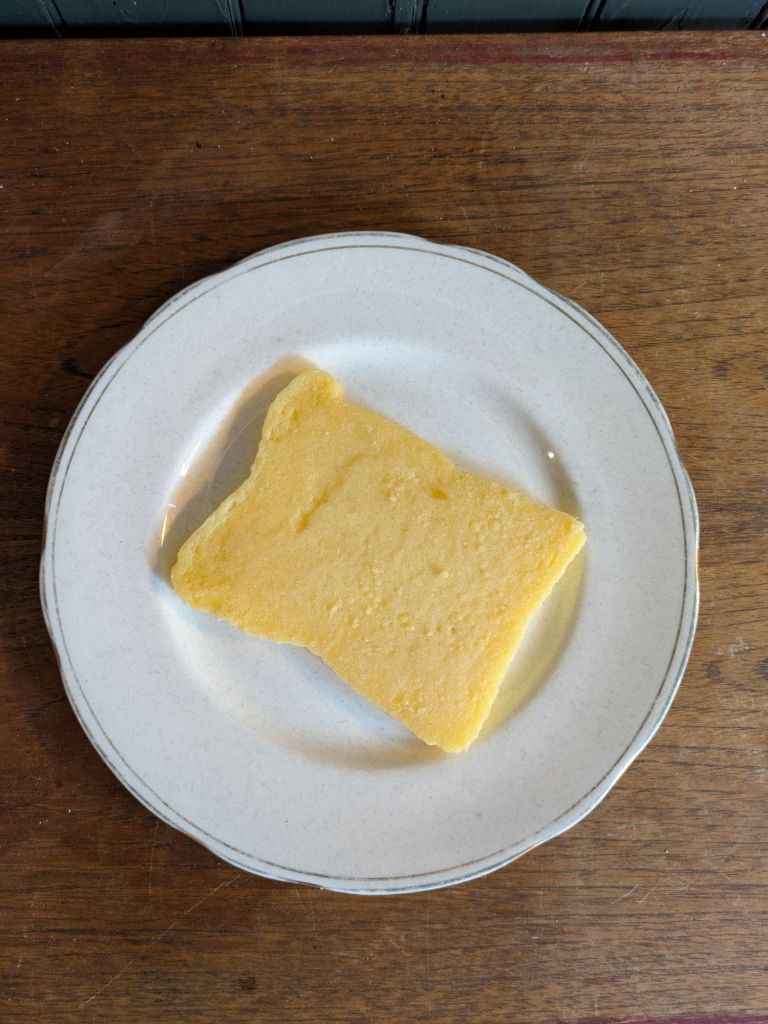
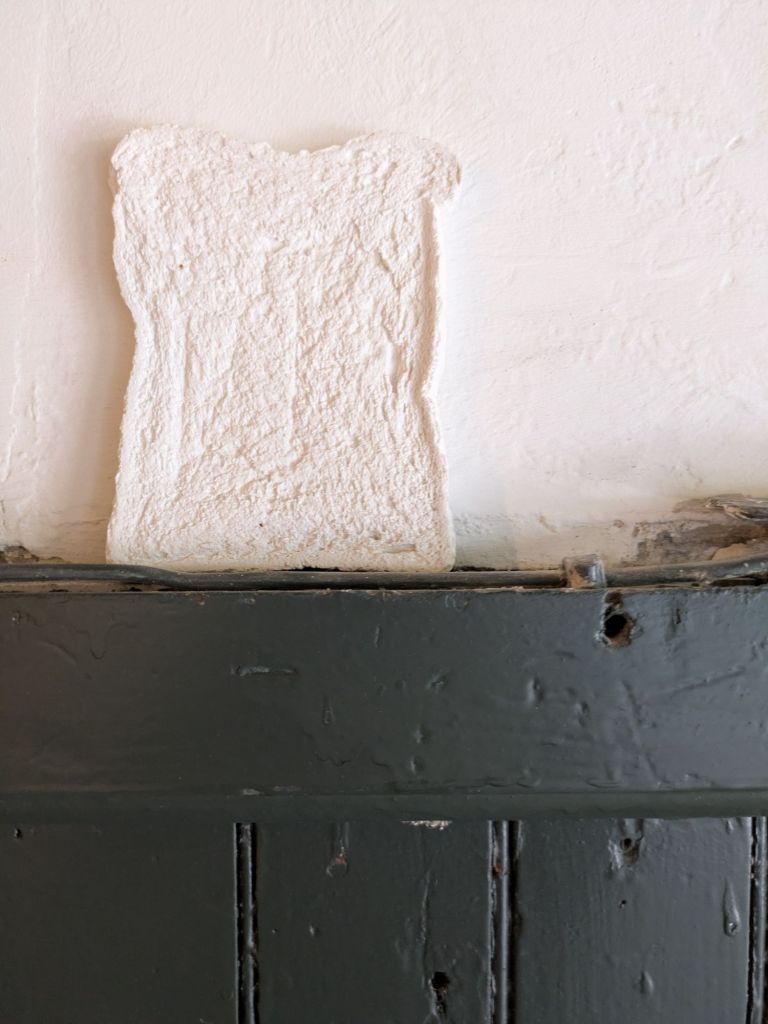
Bread
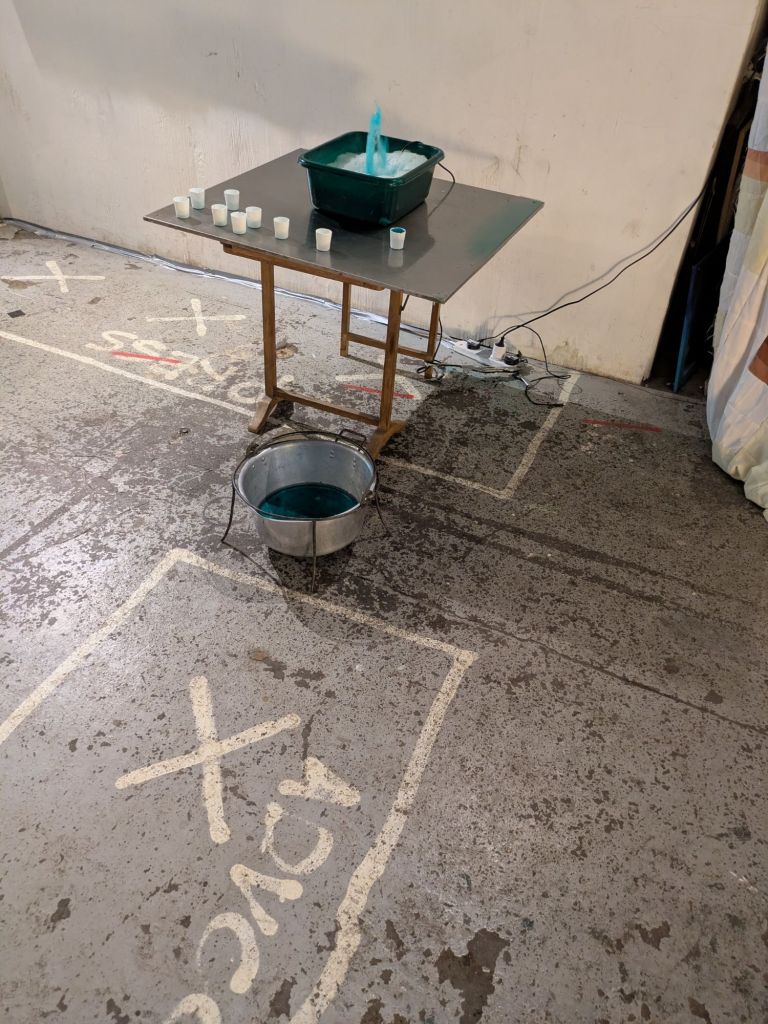
Dentist’s Mouthwash
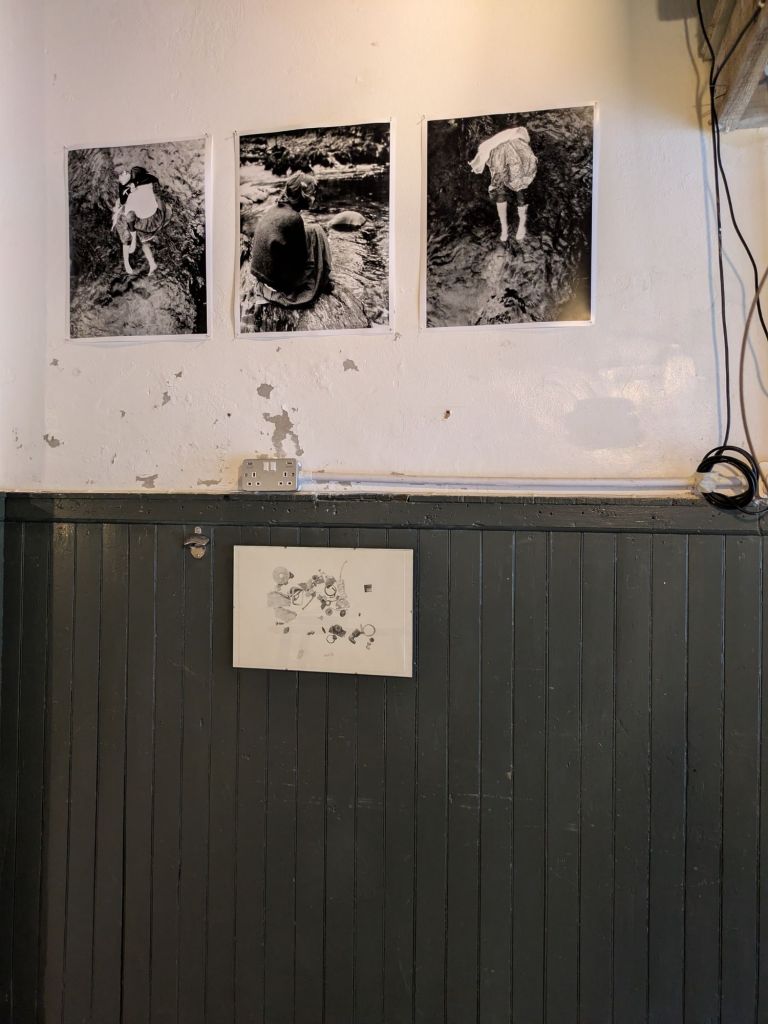
Exhibitors
What art have I seen? Christine Borland’s ‘To be Set and Sown in the Garden’
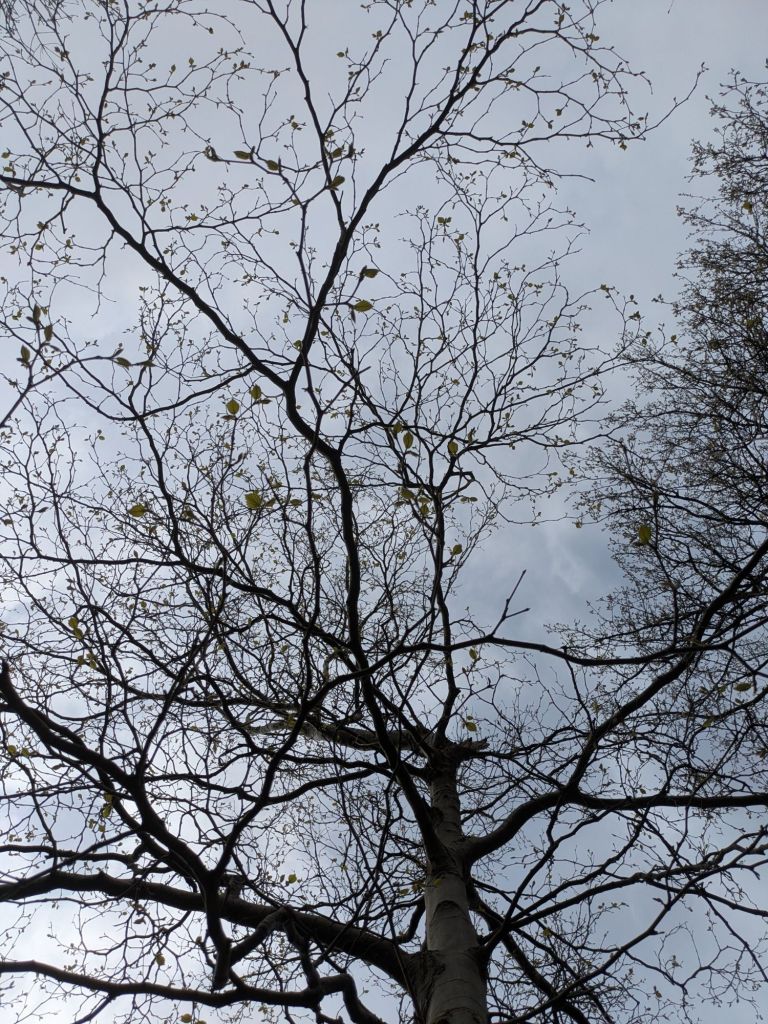
2002 installation outside the Hunterian Art Gallery.
What art have I seen? New Contemporaries
Recent graduate show at Royal Scottish Academy. Various hands.
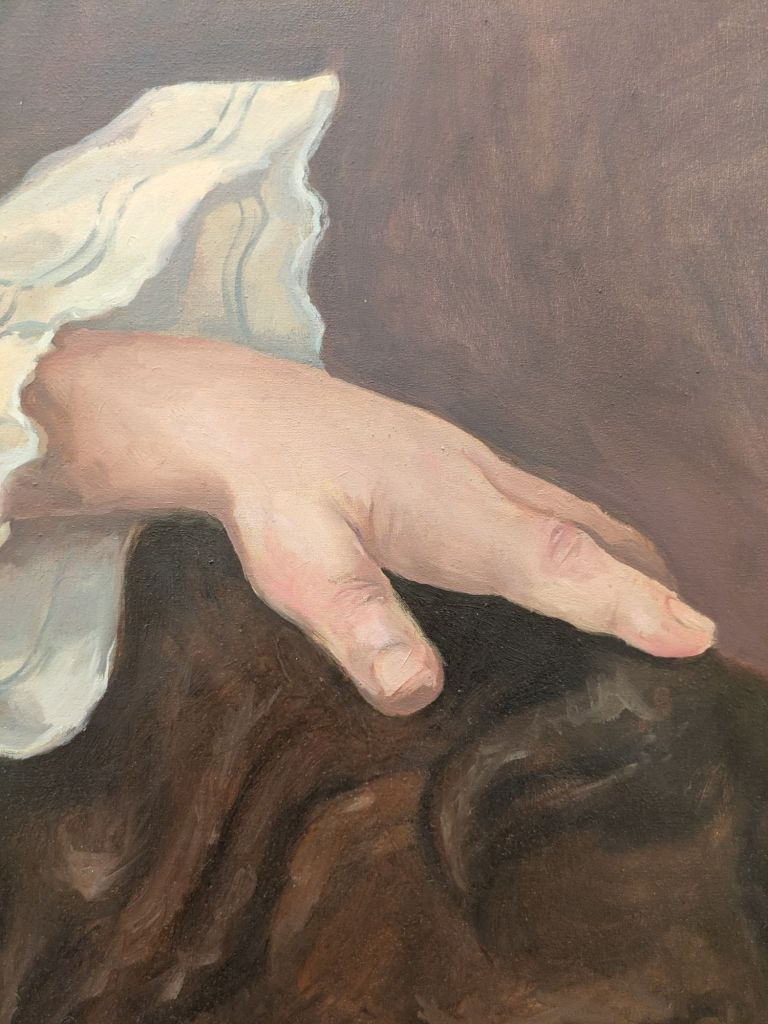
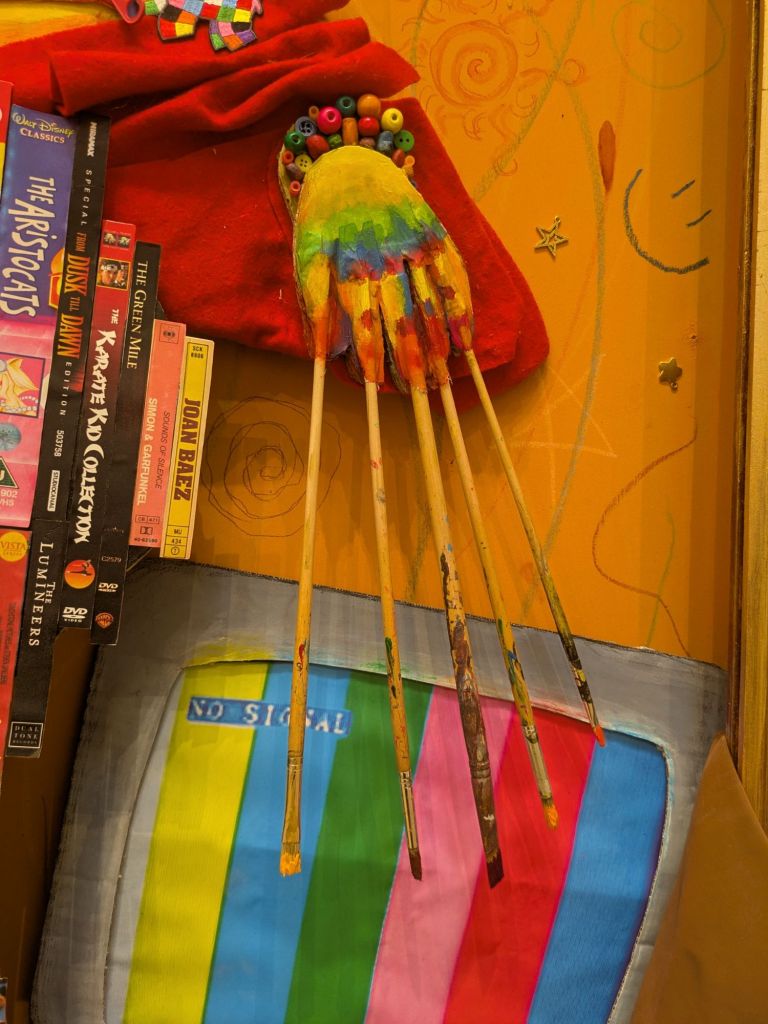
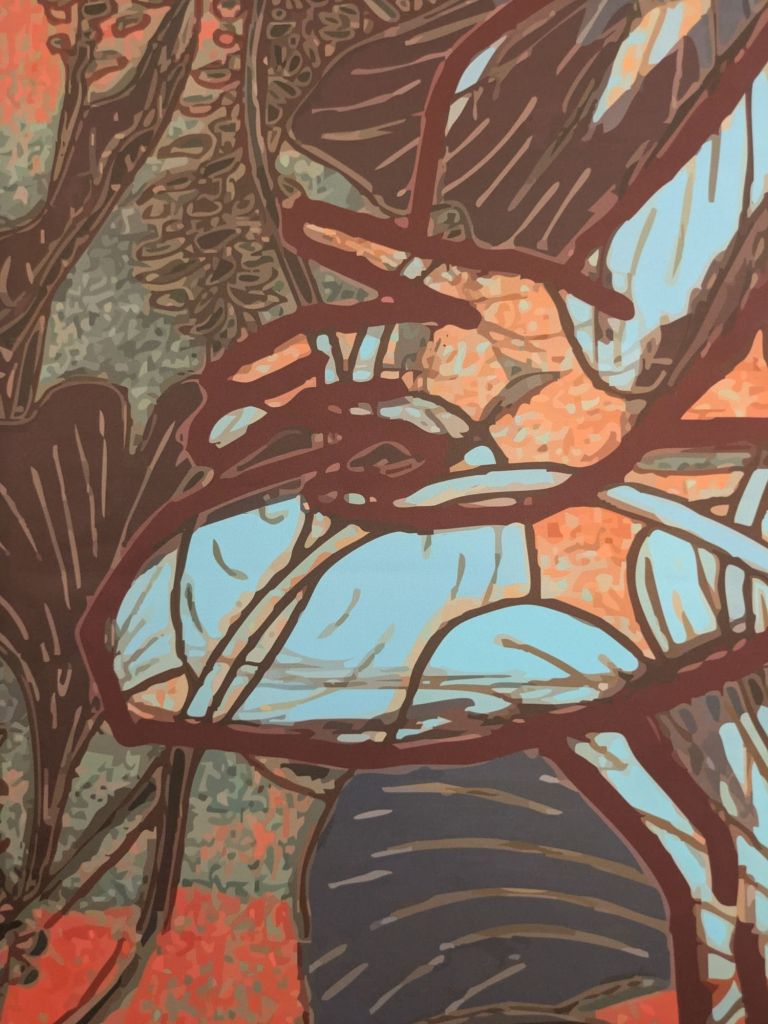
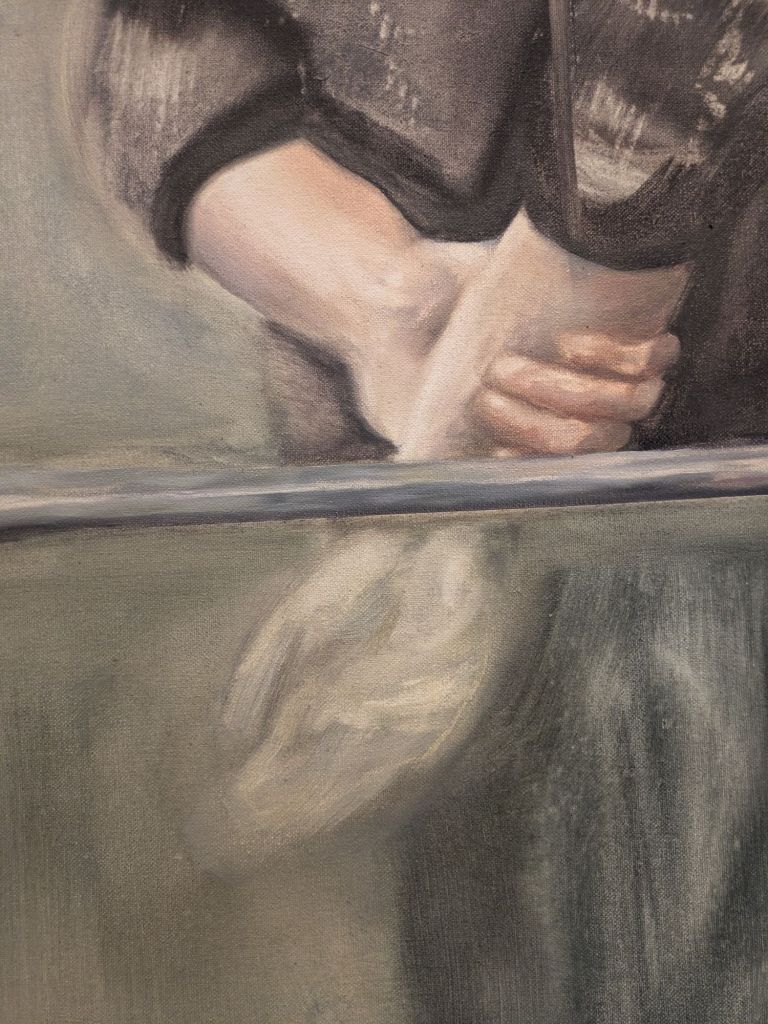
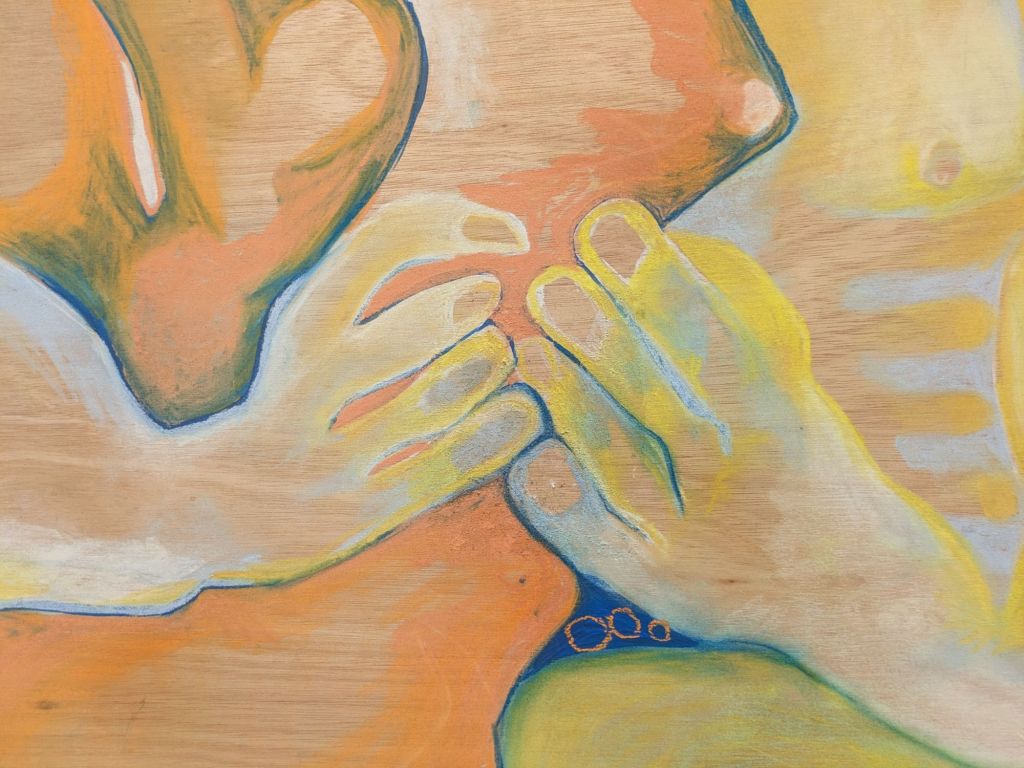
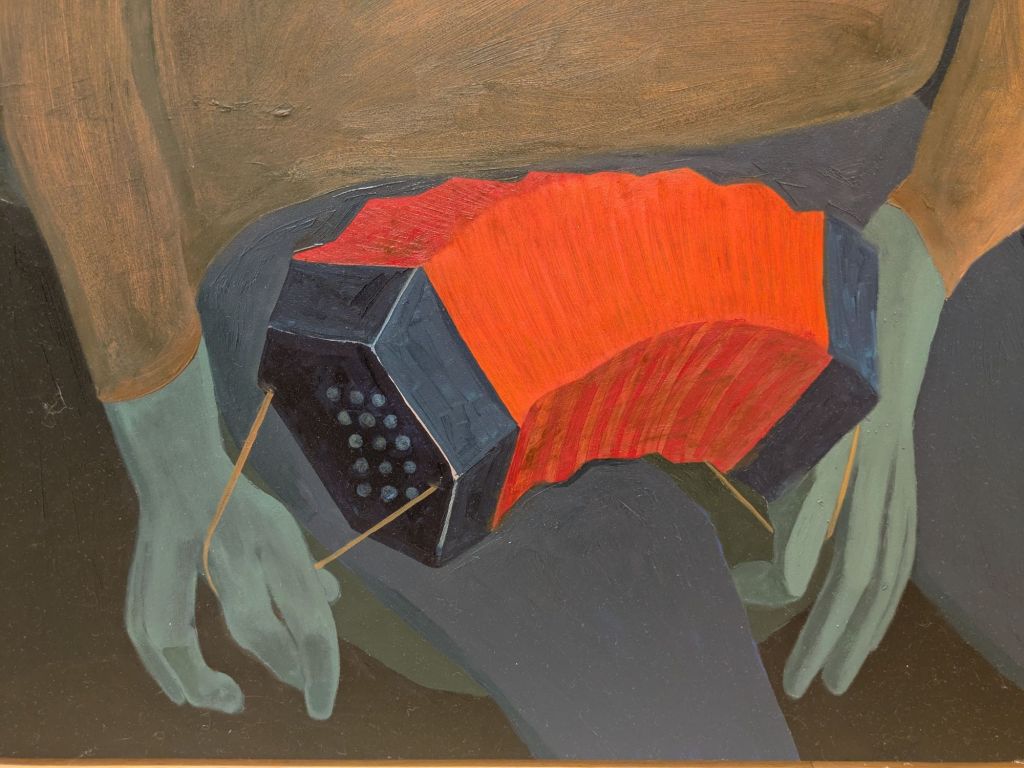
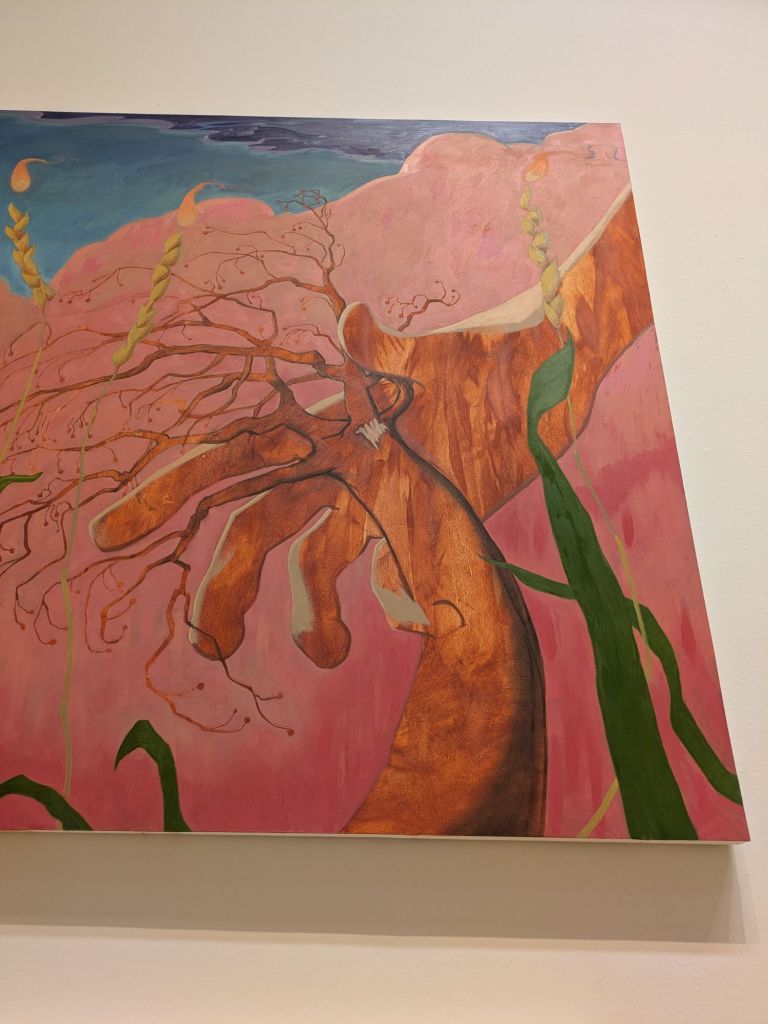
What art have I seen? I Still Dream of Lost Vocabularies
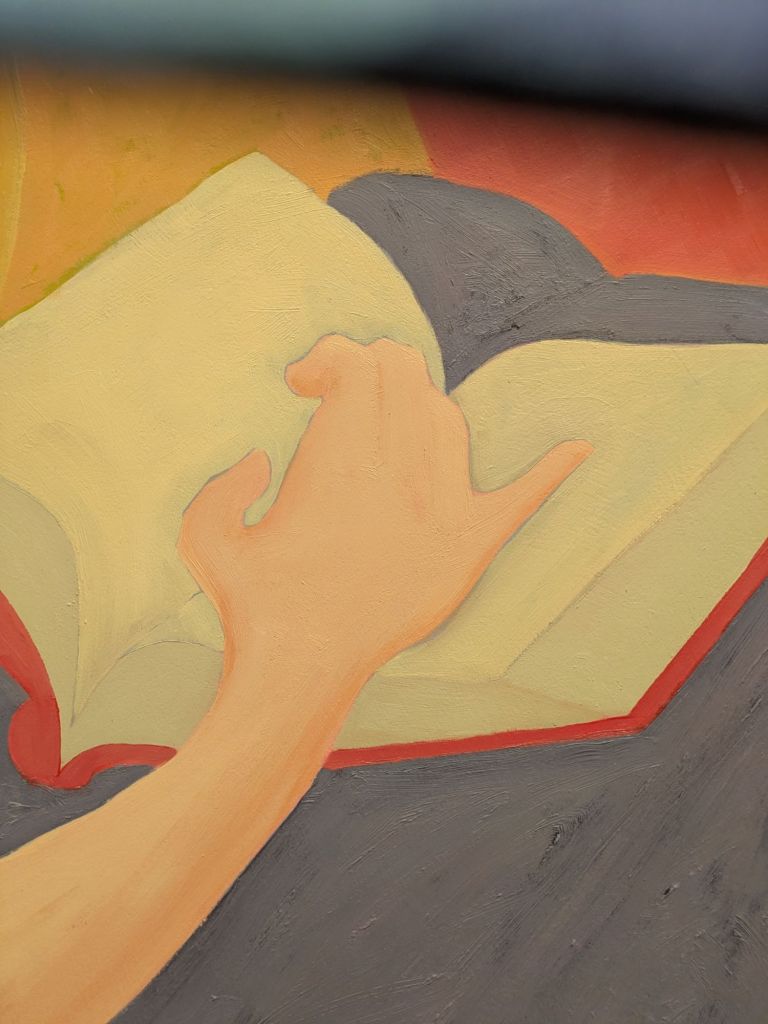
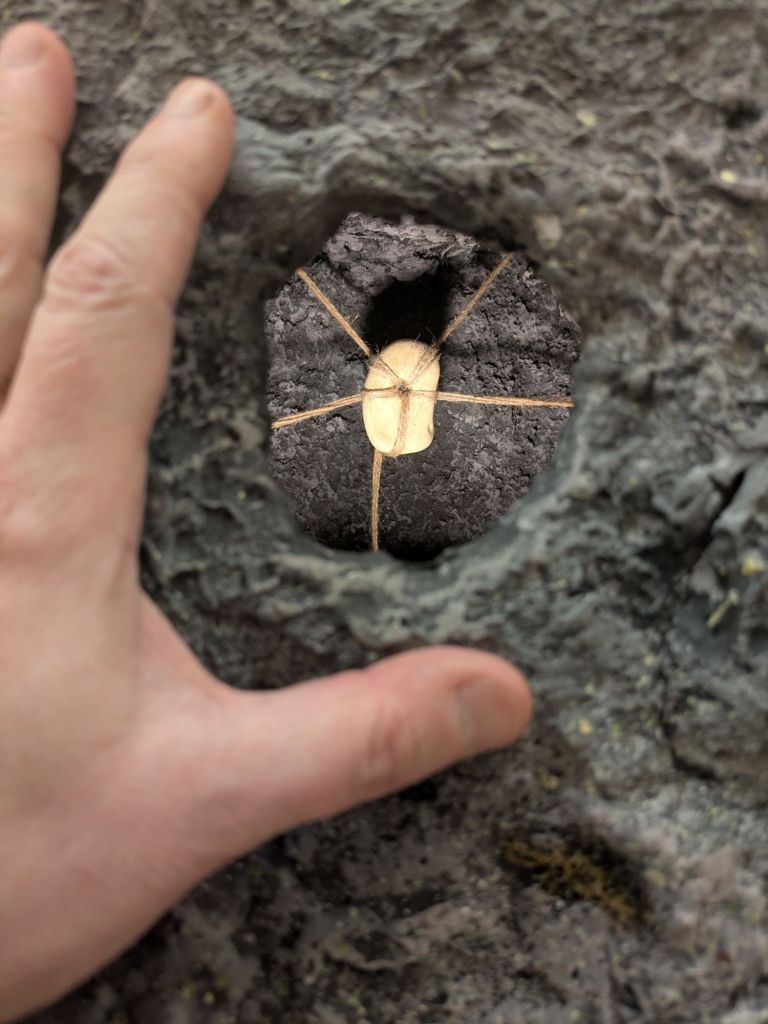
Autograph: “From cut paper to generative AI, examining political dissent and erasure through the idea of collage.”
It’s all here, archives, erasures, combinations to create new realities, new patterns, new narratives. Lives are collages and displacement, colonial powers, empires, dictators, all create cuts – that much is obvious. Births, marriages, divorces, deaths are all acts that contribute.
Some of the works tilt to the political, some to the family, some are perhaps mostly concerned with aesthetics. What is true is that the visual exceeds what I can write.
What art have I seen? Tracey Emin – Second Life
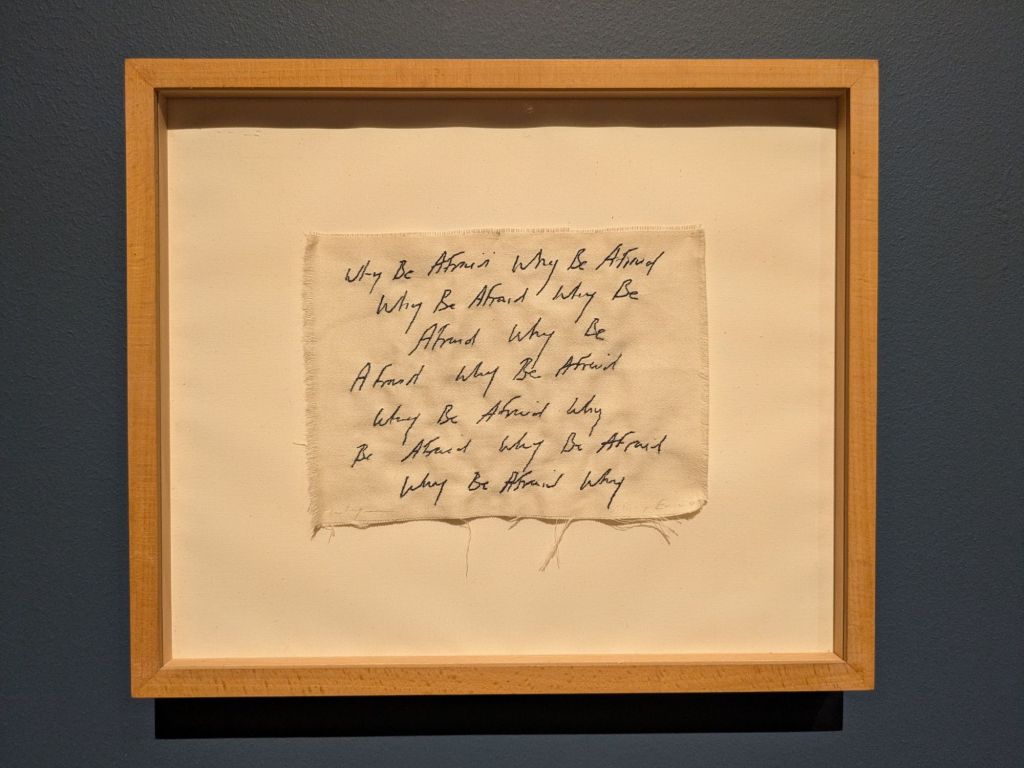
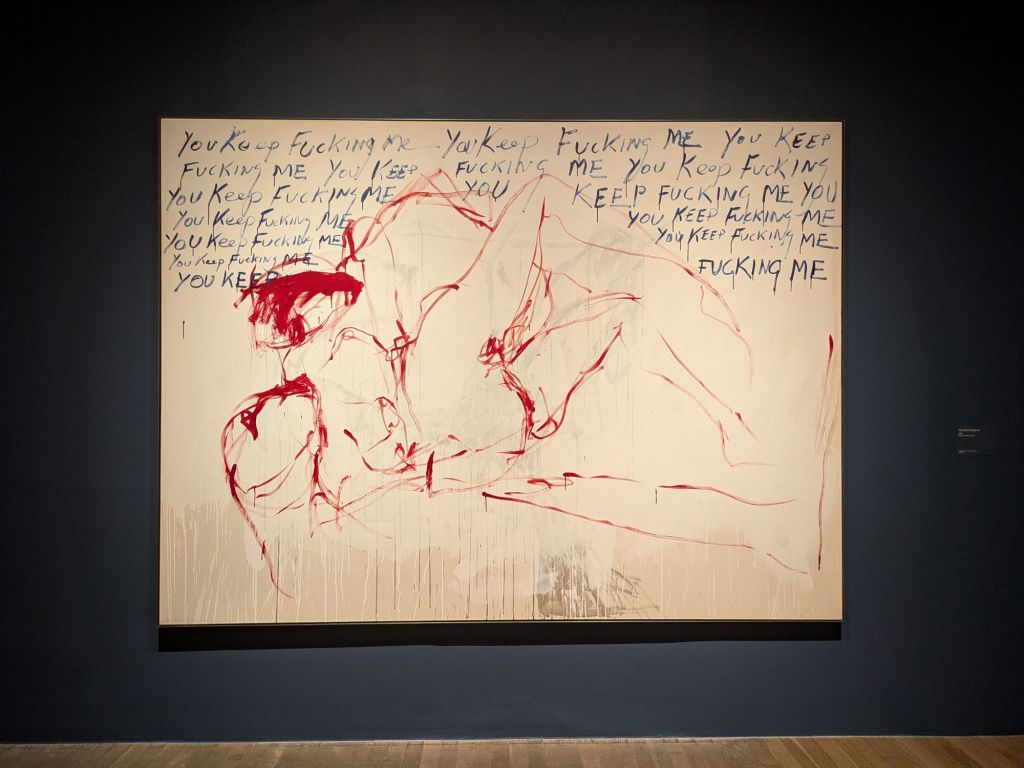
Tate Modern. Mobbed. Challenging: post cancer surgery photos. I think of my scars as paths. Hers are weeping.
Death Mask. There is nothing sacred. Standing with I am the Last Gold, reading the blanket alphabet on abortion, everyone else around me reading it was a woman.
What art have I seen? Suzanne Lacy speaking at Chelsea School of Art
I wouldn’t normally post a lecture under this heading, but Suzanne Lacy’s presentation at Chelsea School of Art on Wednesday evening was brilliant. I’m going to try and reconstruct the thread of argument as I heard it, and where it particularly made me think.
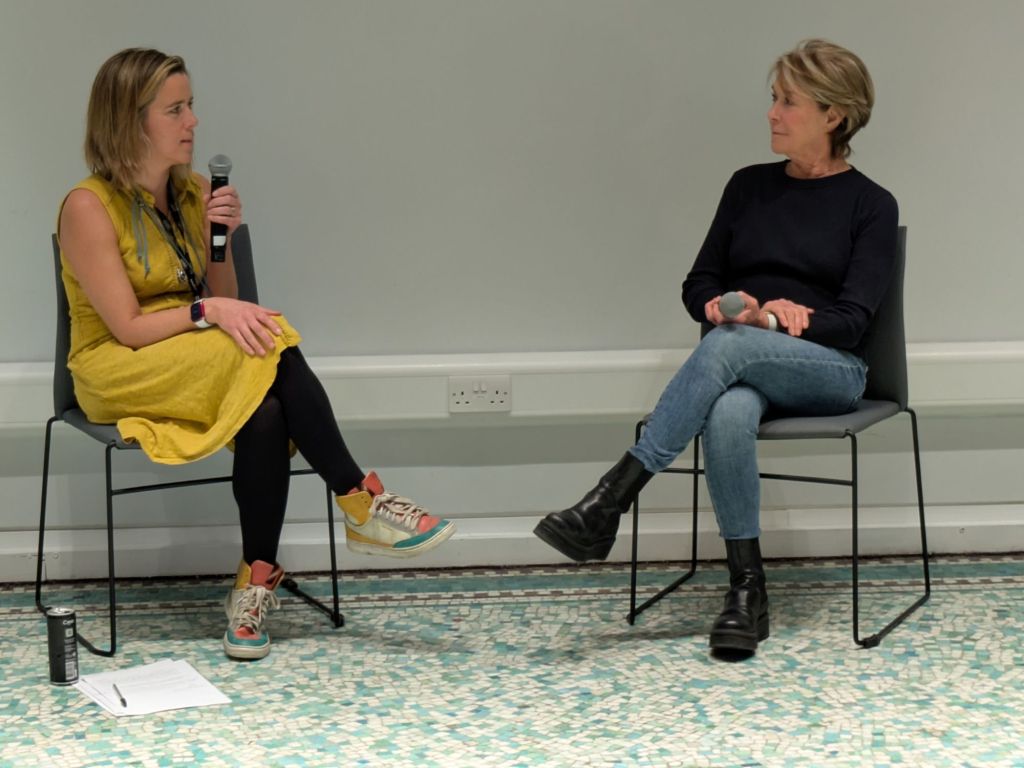
Suzanne started by highlighting the importance and dialogue with British artists over a very long period, naming Margaret Harrison, Conrad Atkinson, Susan Hillier (I think,) and also name checking the Artist Placement Group.
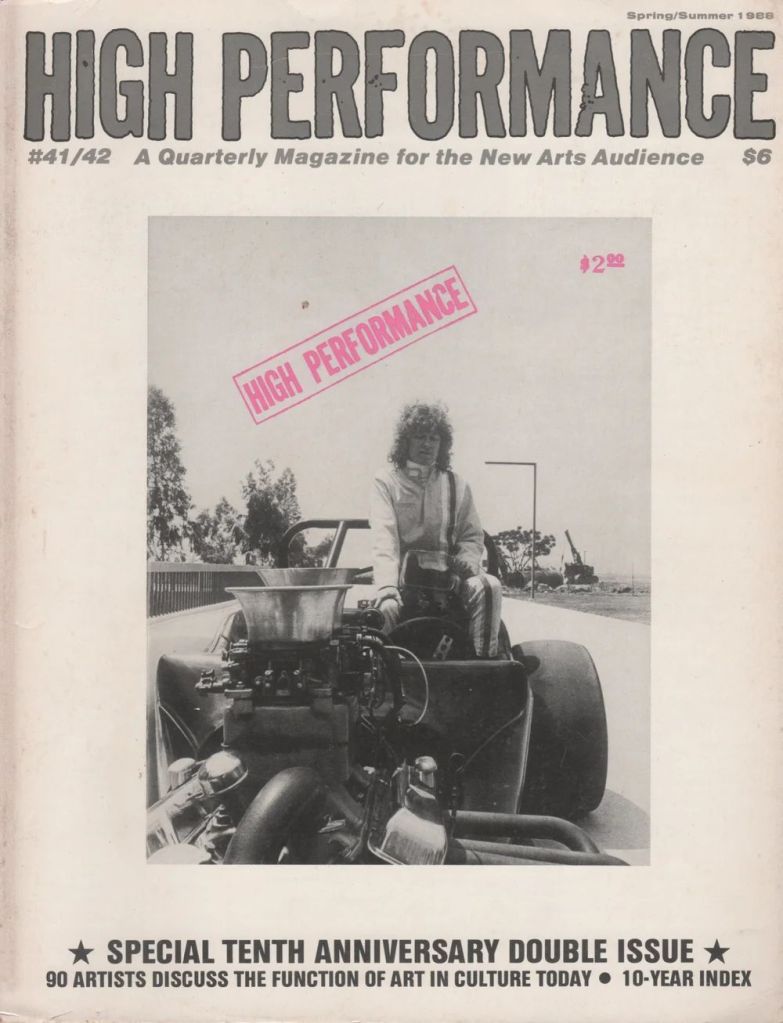
Suzanne then positioned herself in relation to colleagues arguing that whilst critical theory is a means to understand the various forms of power and its exclusions (“a broad philosophical framework to challenge social inequity”), critical pedagogy is the place where the rubber hits the road (I use this particular idiom because Suzanne is revisiting Cinderella in a Dragster (1976) as part of the celebrations of 50 years of High Performance magazine…)
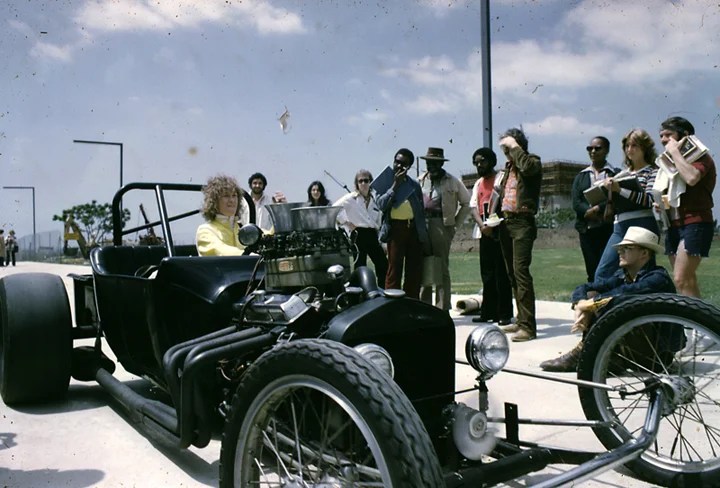
It was celebrated at the 10 year anniversary too.
Suzanne argued that pedagogy is critical because education is actually a social equaliser and critical pedagogy takes the concerns of critical theory into the context of teaching, asking not only what to teach? but also why and how? and also where and when? And Suzanne specifically drew attention to the way that critical pedagogy raises challenges of impact and effectiveness which are perhaps not so central to critical theory and are also sometimes ‘parked’ or at least consider troublesome by some artists and curators.
I’ve always had an interest in critical pedagogy and in particular the many various approaches of artists. One manifestation that led to the production of Ecoart in Action is the creation and sharing of scores and exercises (e.g. Draw it with your eyes closed). The ecoartscotland mobile library is another.
I’ve also become increasingly interested in questions of impact and effectiveness – how do we evaluate art practice particularly when interacting with other disciplines in public contexts?
Suzanne is a first generation Feminist artist activist.* She described herself as first and foremost a performance artist, although she acknowledged that mostly she is categorised in terms of social practice. Suzanne describes Feminism as having “an aesthetic drawn from quotidian life”, and that “experience is the material”. She highlighted that Judy Chicago showed how “aesthetics was a pathway to the political”.
Suzanne argued that pedagogy – how you learn – is central to Feminism, maybe most obviously evident in consciousness raising, but also in the multiple intersections of Feminism, art, and learning.
One of Suzanne Lacy’s mentors was Allan Kaprow and his approach to performance had a big impact. Suzanne connected his concern with the everyday into Feminist aesthetics, but also highlighted how Kaprow “had an aversion to prescriptive thinking” that Suzanne suggested can characterise Feminist art when addressing for instance rape culture or racism. For Suzanne the roots of all of this are in Freire and Giroux, for Kaprow in Dewey.
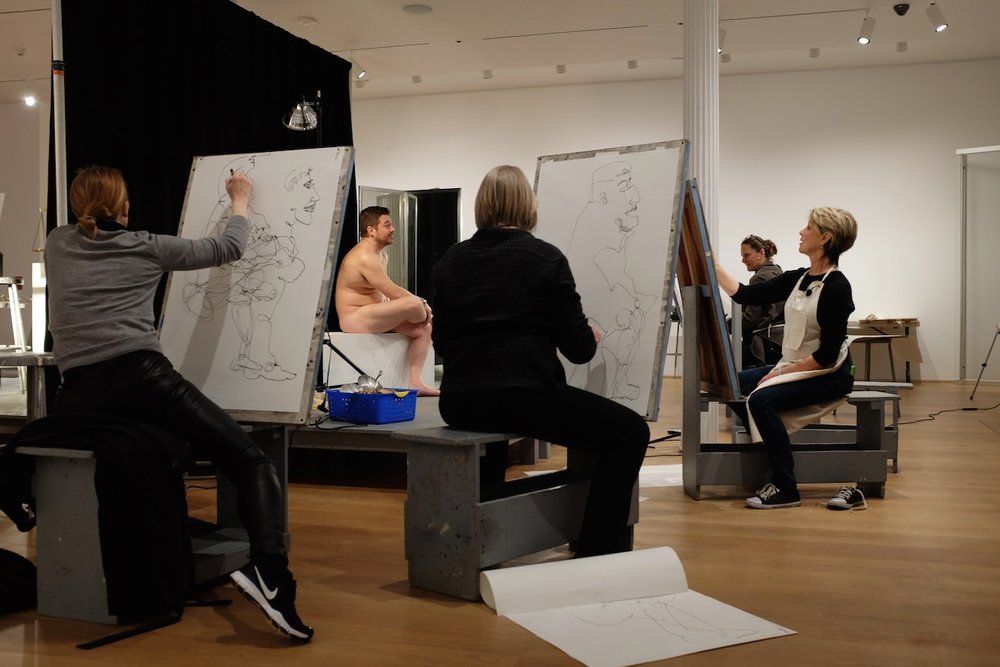
The most literal example of pedagogy was perhaps the project Suzanne and Andrea Bowers did together, firstly occupying a gallery in New York where Andrea taught Suzanne to draw, and then reversing the exercise in Los Angeles where Suzanne taught Andrea performance.
Pedagogy was one of three concerns that Suzanne Lacy discussed. The other two were subjectivity and relationality. Suzanne selected works for the presentation from across her career to date that served to draw out specifics, including Cleaning Conditions (for Kaprow), the University of Local Knowledge with Knowle West Media Centre (including videos on raising pigeons, learning to dance, relationships with horses resulting in filmed discussions in a pet food store), De tu puño y letra, Across and In-Between, What do women (footballers) want?, and Between the Door and the Street as well as others.
Subjectivity is again central to Feminism and consciousness raising and in turn the political, but it is also not uncomplicated because, as I think I understood Suzanne to argue, subjectivity as it engages in public becomes identity, and identity also gets simplified into singular dimensions. Singular dimensions enable organising but also resistance. On several occasions Suzanne carefully corrected herself to ensure that there was never a reduction or simplification that created an exclusion that wasn’t intentional.
The work Cinderella in a Dragster is an exploration in taking on an identity to explore a subjectivity. Suzanne connected this with the work of Bonnie Ora Sherk and of Eleanor Antin.**
In this thread Suzanne discussed her work Prostitution Notes (1974). She noted how everyone knows someone who has taken money for sex one way or another and showed us diagrams tracing how this can then be mapped across a city. It was clear that prostitution was a tricky subject which Suzanne neither wanted to avoid, nor felt was in any way simple. She made a point of noting her discussions with Margot St James, the sex positive activist.
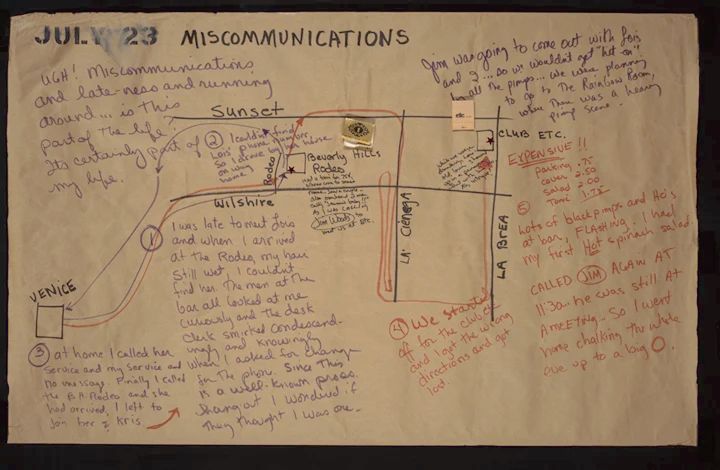
Suzanne asked a really interesting question in the middle: “How did we do in communicating the work to younger artists? How do younger artists understand what our generation did?”
She didn’t answer this question, but rather left it hanging in the room.
Suzanne described negotiation, something overlooked even in social practice, as “the painterly stroke of the brush on canvas” going on to say that coalition building is dangerous work, and that experience in common can be a basis on which to think. She attached three words to this: “reveal, be open, and admit mistakes”. She also talked about scale, what it takes to be moved, and the visual aspects of scale, saying “I make creative decisions, I don’t make content”.
During the Q&A with Lana Locke who had organised the event as part of ongoing research, Suzanne drew several people in the audience into the conversation including Mark Thomas of Manchester Met who has produced multiple works in England and Ireland with Suzanne, and Dominique Heyse-Moore now at the Tate.
These are abiding concerns and issue of pedagogy was central to Suzanne’s PhD (which focused on her Oakland Projects) as well as to the Working in Public Seminars which Anne Douglas, her Supervisor and Professor of Art in Public Life, organised as part of the process. This articulation, particularly in relation to critical theory and critical pedagogy, as well as to subjectivity, was really acute. As a lecture in an hour Suzanne compellingly drew out key ideas that through her practice and works become a clear philosophical position. Some of the questions Suzanne raised, particularly around impact, were not answered directly, but it is interesting how the ‘Lyall, Nutley, Meagher, Edwards Prism’ (as I call it) offers a way to understand this. The Prism focuses on Conceptual Shifts (Aha Moments), Capacity Building, Practice and Policy Changes, Attitudinal Shifts, and Enduring Connections. It is so easy to see where the Conceptual Shifts are driven by the art, but bound up with the Capacity Building precisely because of how pedagogy is inseparably part of this work. The Attitudinal Shifts, normally conceived in terms of increased willingness to collaborate across disciplines, can be reconceived in terms of Suzanne’s coalition building and finding common experience as a basis.
Suzanne so clearly articulated the way her generation’s Feminist art practice brings an overarching aesthetic concern with the everyday into relation with a pedagogy grounded in experience, and sees these as capable of being directed towards the political. She made a compelling case for critical pedagogy as a way to think about this.
*Lacy studied with Judy Chicago – they are 6 years apart in age. Suzanne was part of the first year of Chicago’s Feminist Art Program at University of California, Fresno.
**There is a retrospective of Eleanor Antin’s work touring Europe at the moment.
Bibliography
Edwards, David M., and Laura R. Meagher 2020. “A Framework to Evaluate the Impacts of Research on Policy and Practice: A Forestry Pilot Study.” Forest Policy and Economics 114 (May): 101975. https://doi.org/10.1016/j.forpol.2019.101975.
Fremantle, Chris, and Leslie Mabon 2021. Cultural Adaptations Evaluation Report. Creative Carbon Scotland. https://doi.org/10.48526/rgu-wt-1513437.
Fremantle, Chris, Melehat Nil Gulari, Susan Marie Fairburn, Leigh-Anne Hepburn, Gail Valentine, and Laura R. Meagher 2016. “Impact by Design: Evaluating Knowledge Exchange as a Lens for Evaluating the Wider Impacts of a Design-Led Business Support Programme.” Proceedings of the 20th Design Management Institute (DMI): Academic Design Management Conference (DMI:ADMC): Inflection Point: Design Research Meets Design Practice, 405–30.
Fremantle, Chris. 2011 ongoing. Ecoartscotland Library. Books, Variable. https://ecoartscotland.net/bibliography-2/.
Geffen, Amara, Ann Rosenthal, Aviva Rahmani, and Chris Fremantle, eds. 2022. Ecoart in Action: Activities, Case Studies and Provocations for Classrooms and Communities. New Village Press.
Lacy, S. 2013. Imperfect art: working in public: a case study of the Oakland Projects (1991-2001). Robert Gordon University, PhD Thesis.
Paper Monument, ed. 2012. Draw It with Your Eyes Closed: The Art of the Art Assignment. N+1 Foundation/Paper Monument.
What art have I seen? What is us and What is Earth?
Ilana Halpern at The Fruitmarket. I love a good timeline, and Ilana’s are fab.

What is love?
The collections of small mirroring/different pieces are stunning.
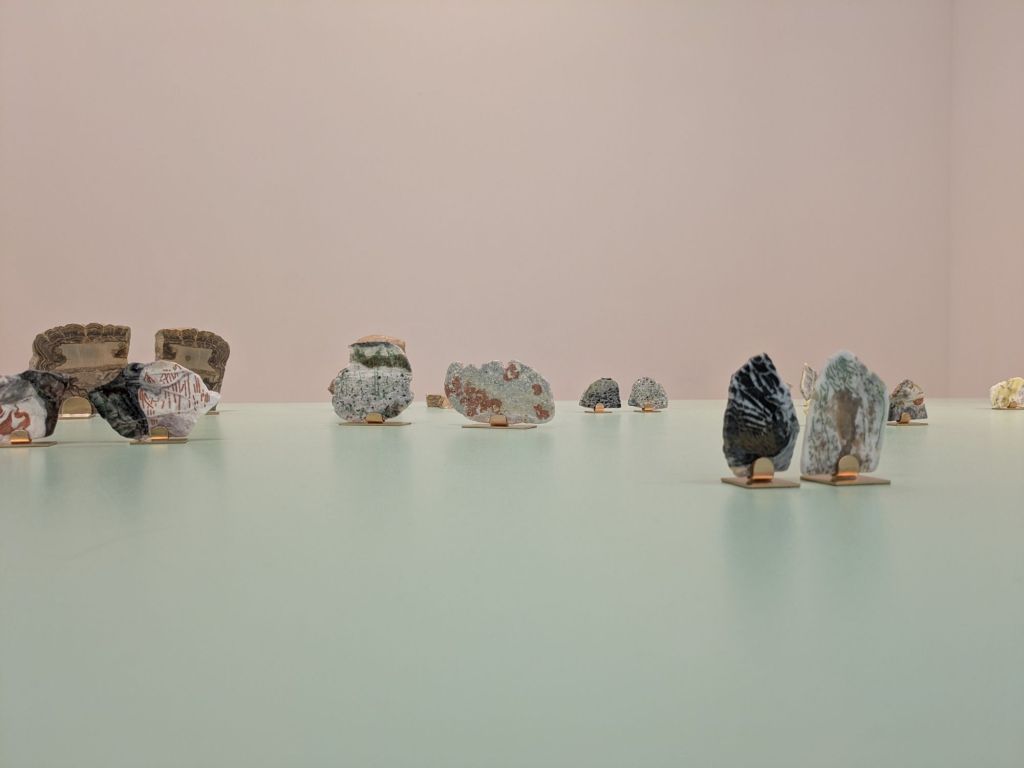
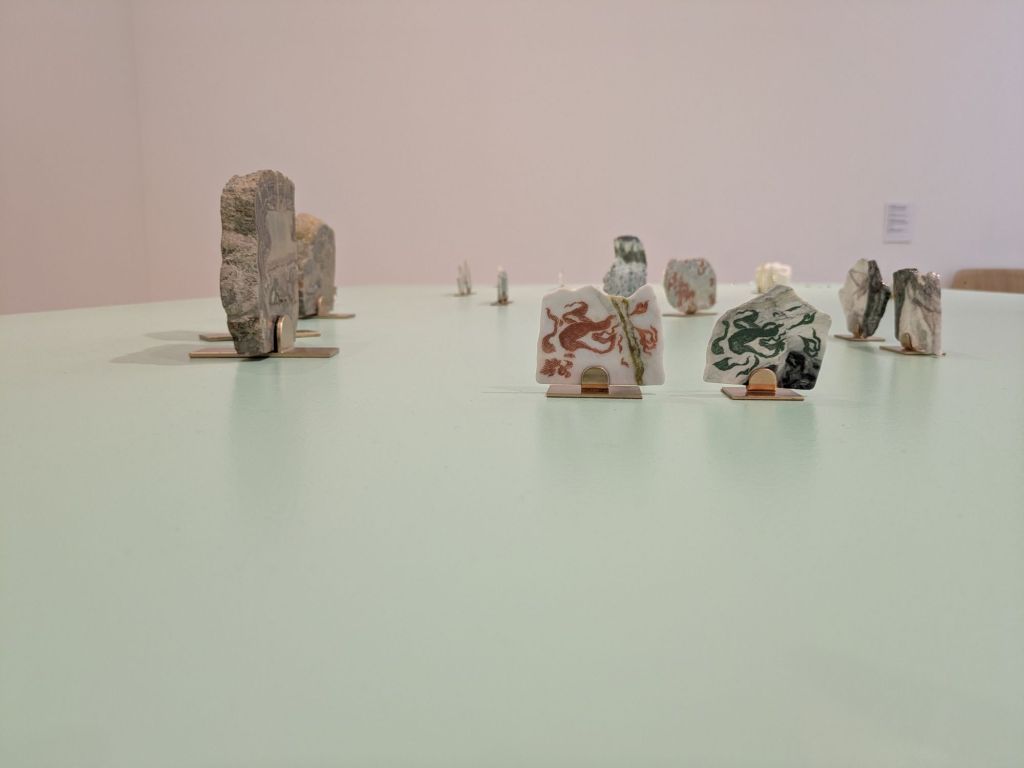
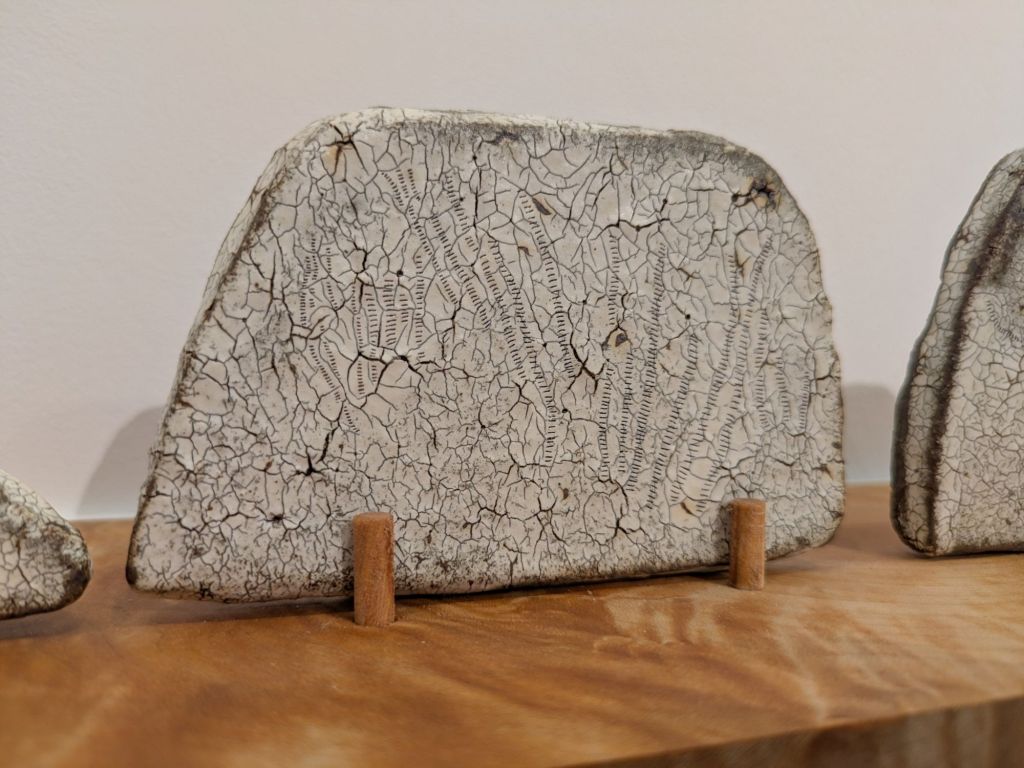
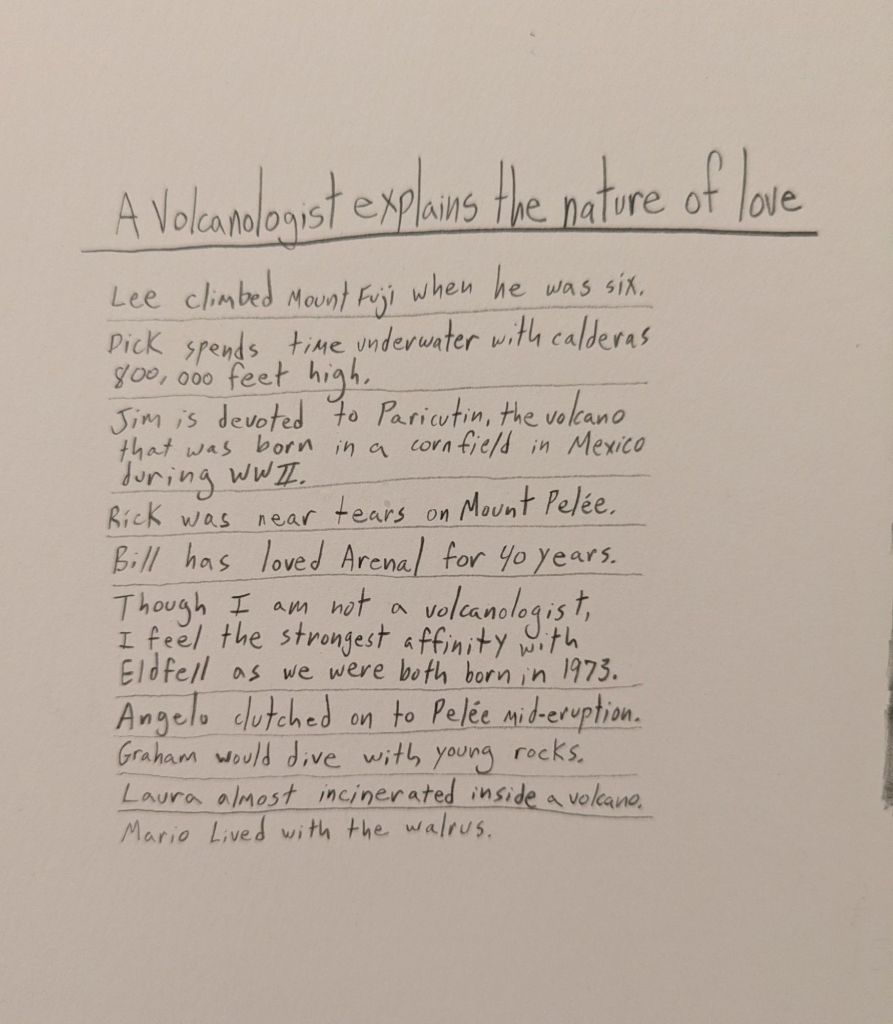
I was, without planning it, on the train over reading an article questioning the construction of life and not-life, the idea that everything is animated in the same way. Ilana’s works so often talk about places elsewhere that they visit only for a moment. The texts are written in Glasgow about remote places and times. The piece about sharing a birthday with Eldfell accepts the fundamental difference, we will share a birthday a few times, and then you will carry on and the timescale will change, human to geologic (if it ever was human).
The article’s subtitle is ‘when the rocks turn their backs on us’.
“Other forms of existence are assessing the humans just as the humans assess them.”
“On the one hand, subjective agency was so roundly defeated, by capitalism, by militarism, and on the other, the subjective agent of history started to fragment into different voices.”
“So why not take it as the real and ditch the subject that is supposed to correlate to it?”
Ilana’s subjectivity is very much in evidence in the work, but it’s temporality and temporaryness also tempers it. Yes we know Ilana and the stones and volcanoes are manifest to each other (whatever that means, and however in danger it is of evoking authenticity), but it is all about changes of state.
That being said, the going about of sharing your birthday with a volcano is a genius way to think about making kin. Eldfell is a distant sibling that Ilana really only meets up with very occasionally. It does avoid the coziness of locality.
Sorry you have to read the article to get the points about manifestation and locality.
New writing
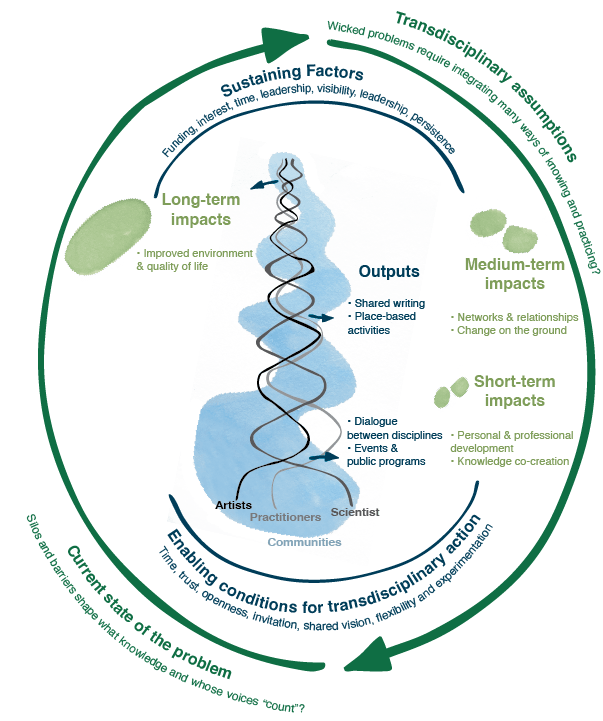
Three pieces of work that have all taken ages to get out are now published! They all bear on the Culture-based Climate Action agenda, the critical project to articulate the role and capacities of cultural actions across arts and humanities in addressing the nexus of crises: climate, biodiversity, and pollution.
Firstly, the article on Uncertainty and Indeterminacy resulting from events held between two environmental research projects – newLEAF and Creative Landscape Futures https://www.tandfonline.com/doi/full/10.1080/01426397.2025.2537772
Abstract: Landscapes, intentionally or otherwise, are often planned and managed in ways that create determined outcomes involving production, conservation, and aesthetics. While the focus of much research is on how to plan landscapes more effectively, this article explores how uncertainty and indeterminacy are inevitably also part of the research process. We present the results of discussions among a multidisciplinary group of researchers across the arts, humanities, social and natural sciences. We articulate discipline-specific understandings of indeterminacy and uncertainty and synthesise points of similarity and difference between them. Common concerns are with the limits of knowledge; conceptions of futures; the role of chance and change; and the dichotomy of action or ‘doing nothing’ in landscapes. We highlight arts research that works distinctively to develop subjectivities and create different relations with control and management. We emphasise the challenge of research to manage risks versus the need for indeterminacy to enable adaptation and promote novelty.
Secondly, a magazine article on developing a Theory of Change based on the NATURE PLACE programme of artists’ residencies with land and natural resource managers and researchers https://www.thenatureofcities.com/TNOC/2026/01/21/how-artists-help-to-transform-natural-resources-management-building-a-theory-of-change/
And thirdly, the article developing an analysis of the evaluations of artists, scientists, land managers and organisers of the NaturePLACE (formerly UFS Arts) program. This will be published in The International Journal of Social, Political and Community Agendas in the Arts.
Abstract: This paper uses a knowledge exchange-based approach to evaluation to explore the reported experiences of artists, scientists, and land managers participating in the ‘NaturePLACE Program’ (formerly UFS Arts), focusing on the period 2016-2024. The primary aim of the Program is to build understanding of and engagement with urban social-ecological systems through the arts. The approach to this evaluation draws on a range of literature on research in the arts, as well as research and knowledge exchange impact evaluation from the environmental research domain. The evaluation reported in this paper is distinctive in focusing on the interactions of participants rather than on perceptions of beneficiaries. The data analyzed comprises evaluations (n=49) submitted at the conclusion of the residency by six cohorts involved in the NaturePLACE program (2016, 2017, 2018, 2020- 21, 2022-23, 2024-25). This paper provides important insights into the impacts on artists, scientists, and land managers from transdisciplinary place-based work. Causes of impact not previously noted within the framework are identified as related specifically to the arts, including modes of sensuous aesthetic attunement, forms of focusing attention and eliciting public discourse, and shaping cultural imaginaries. Critical reflection also becomes evident as an aspect of capacity building.
What art have I seen? Jan Dibbets
Grass
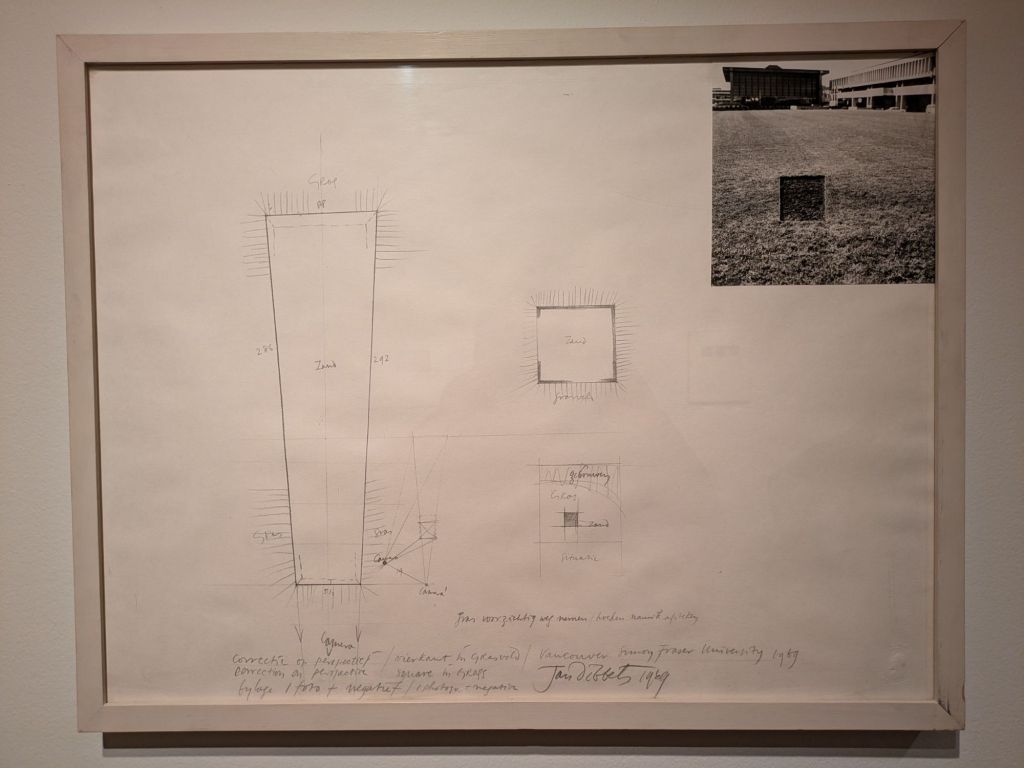
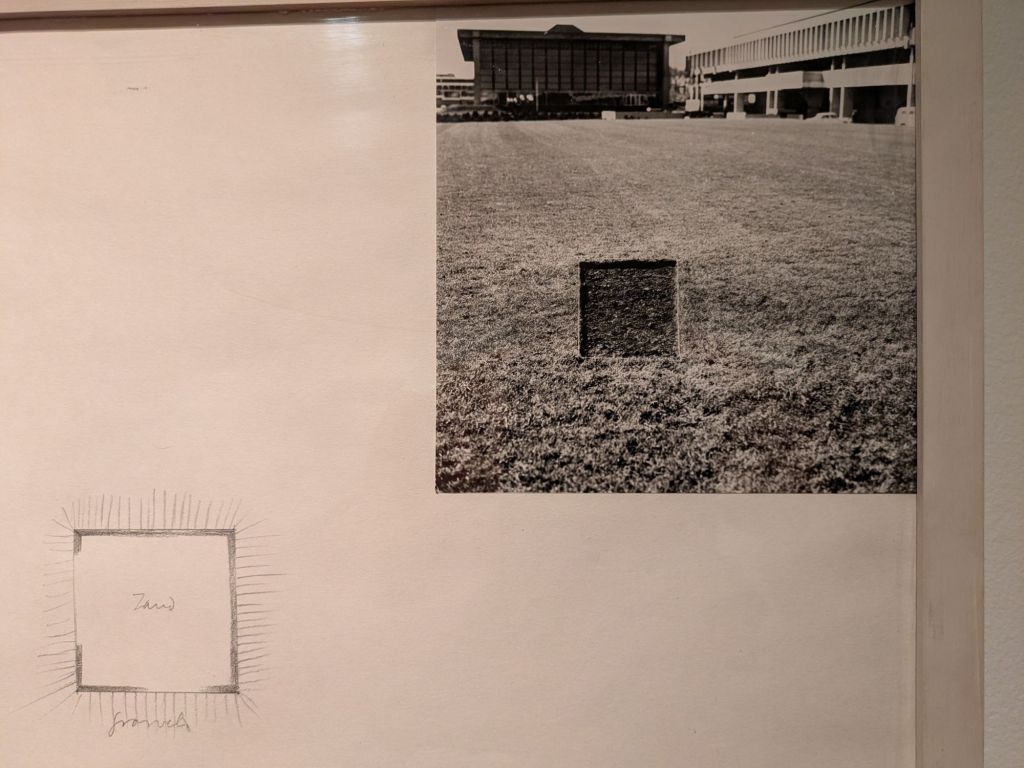
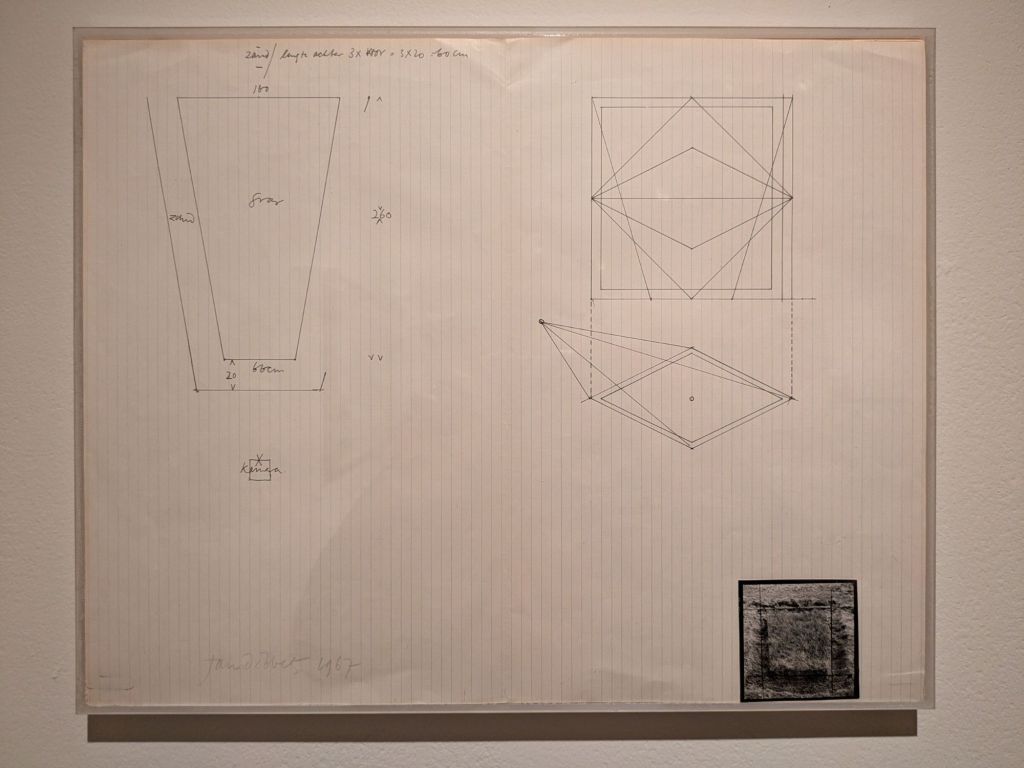
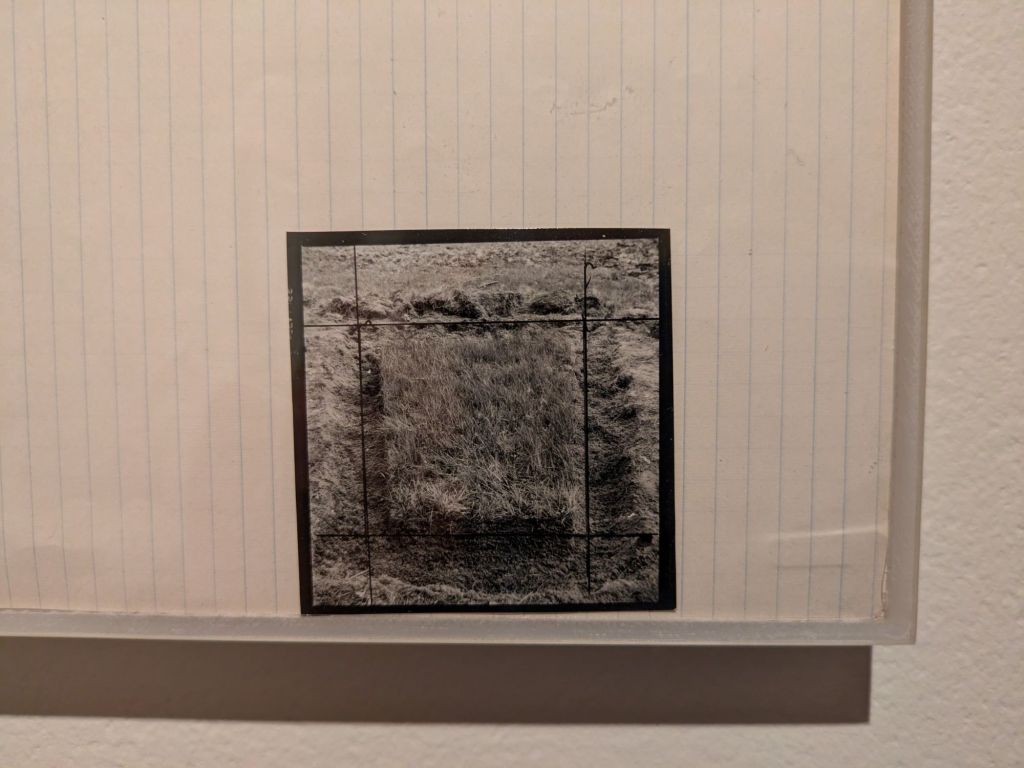
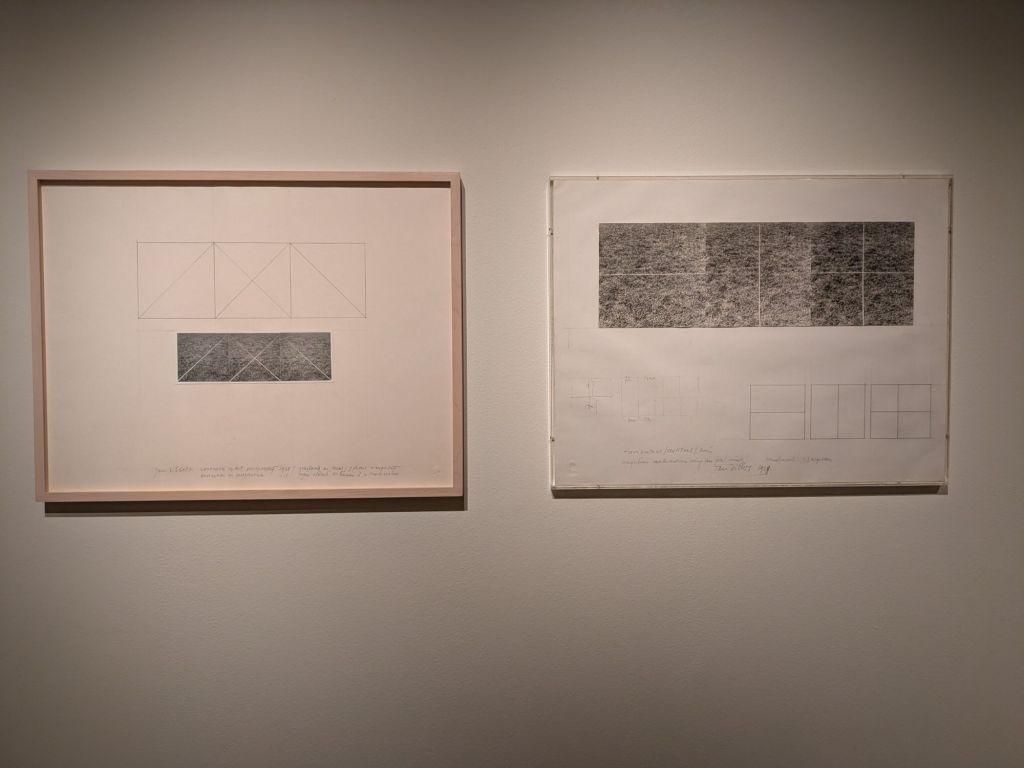
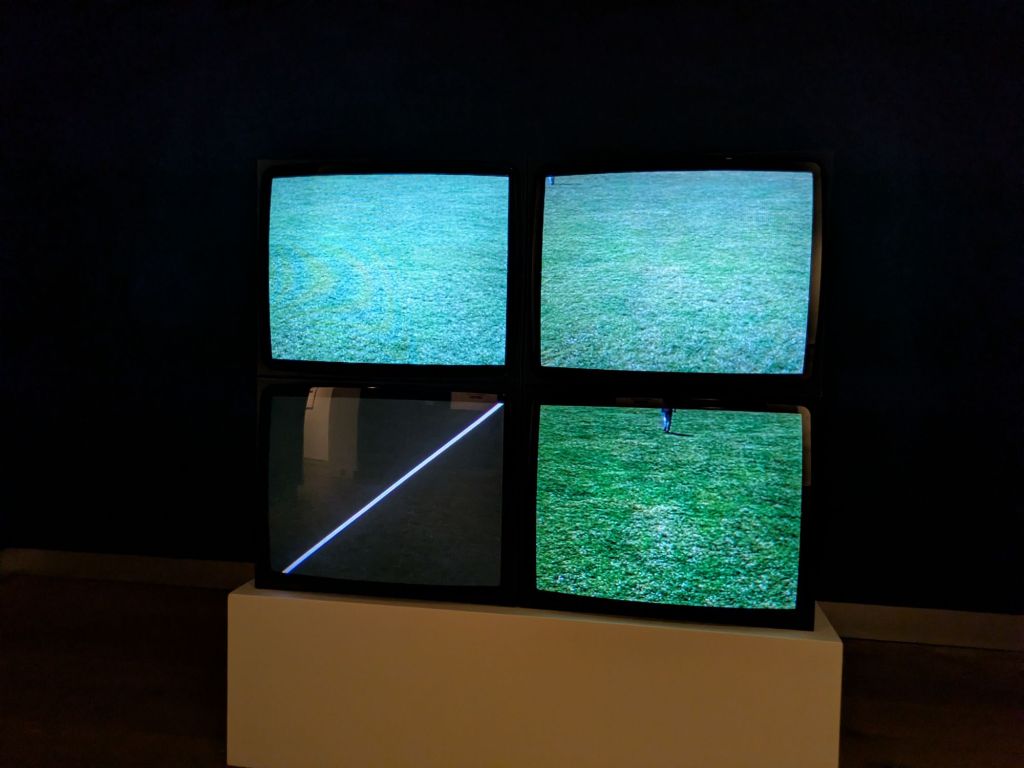
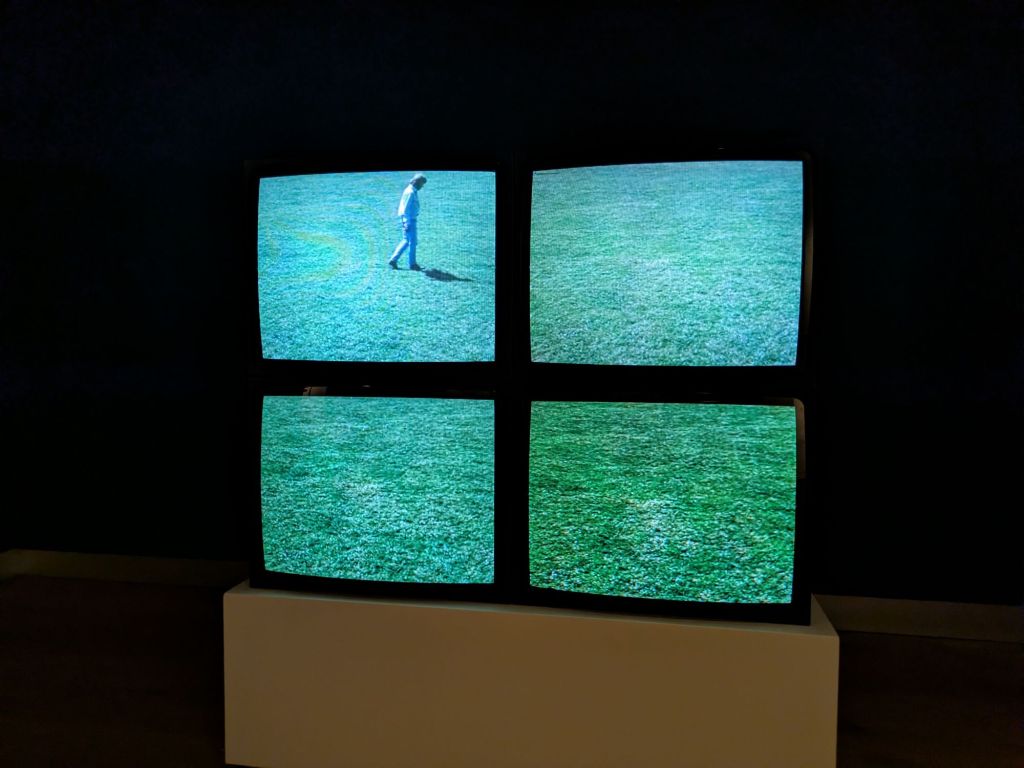
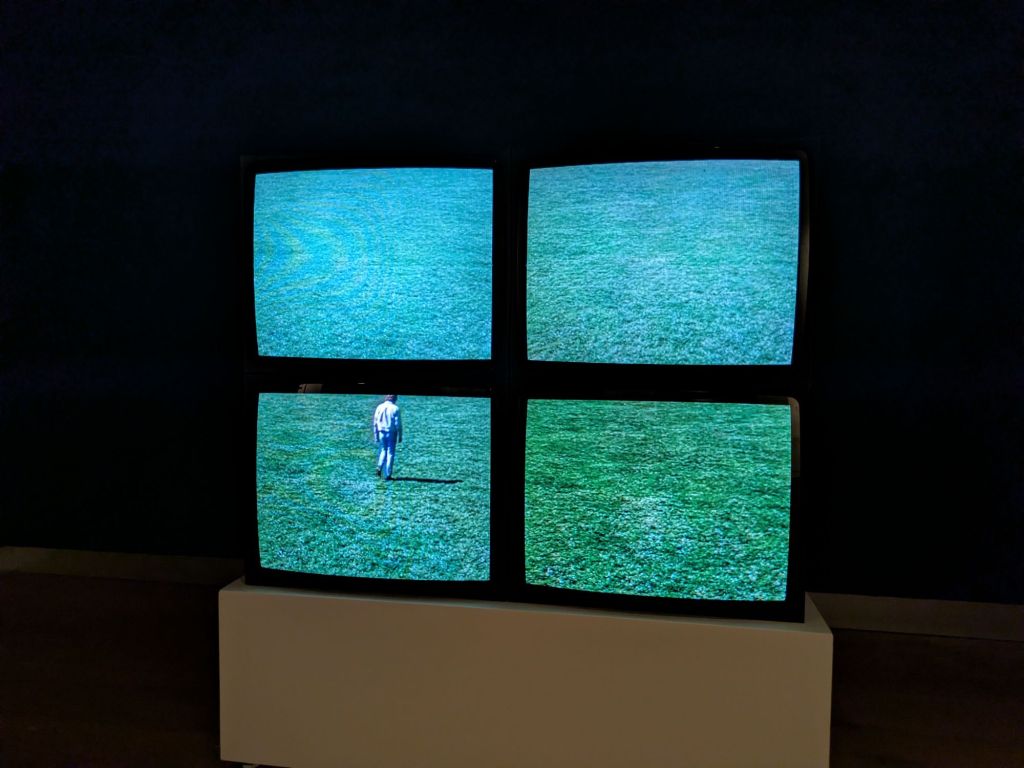
Years ago I made a list for an exhibition.
David Nash ‘Sod Swap’,
Durer ‘Great Sod’ (artist does ecology long before scientist),
Hans Haacke,
Lee Lozano ‘Grass Piece’ ‘No Grass Piece’.
This was all stimulated by Anne Douglas asking a bunch of us to respond to Allan Kaprow’s ‘Calendar’.
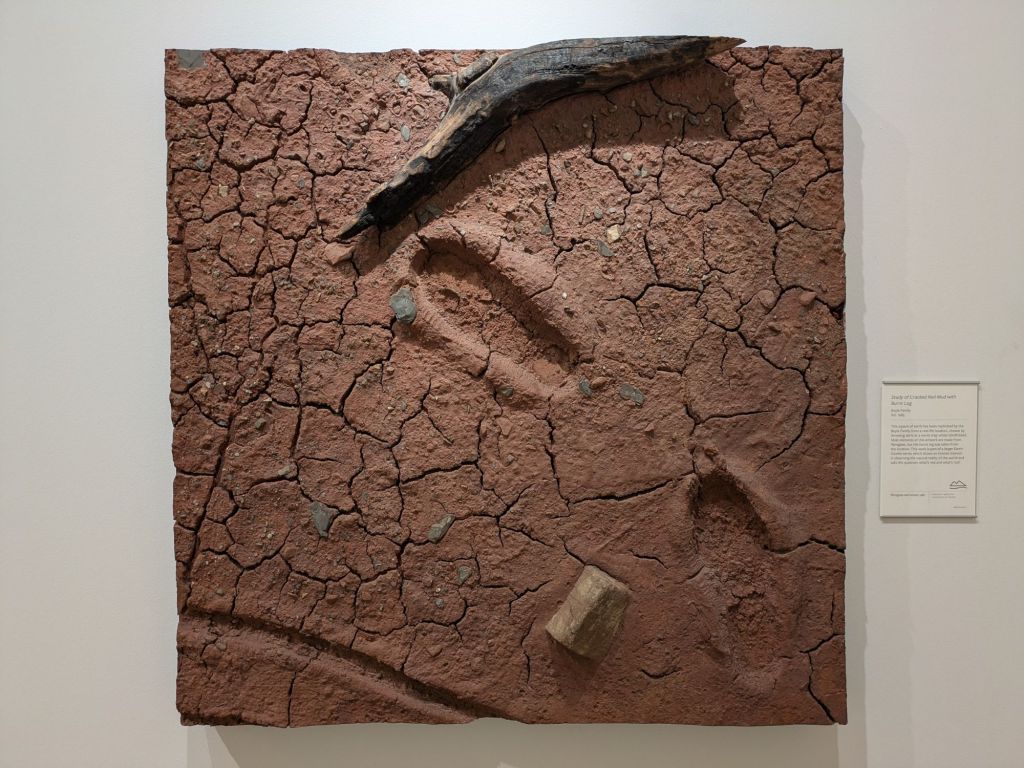
What art have I seen? Imagined Landscapes
Aberdeen Art Gallery
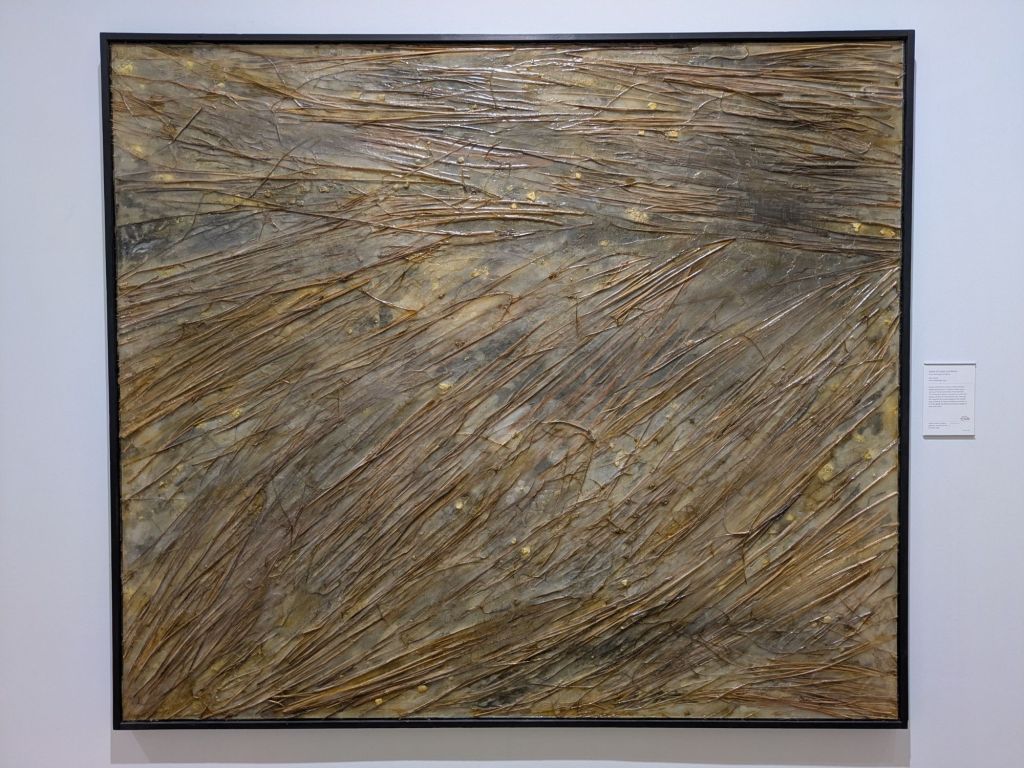
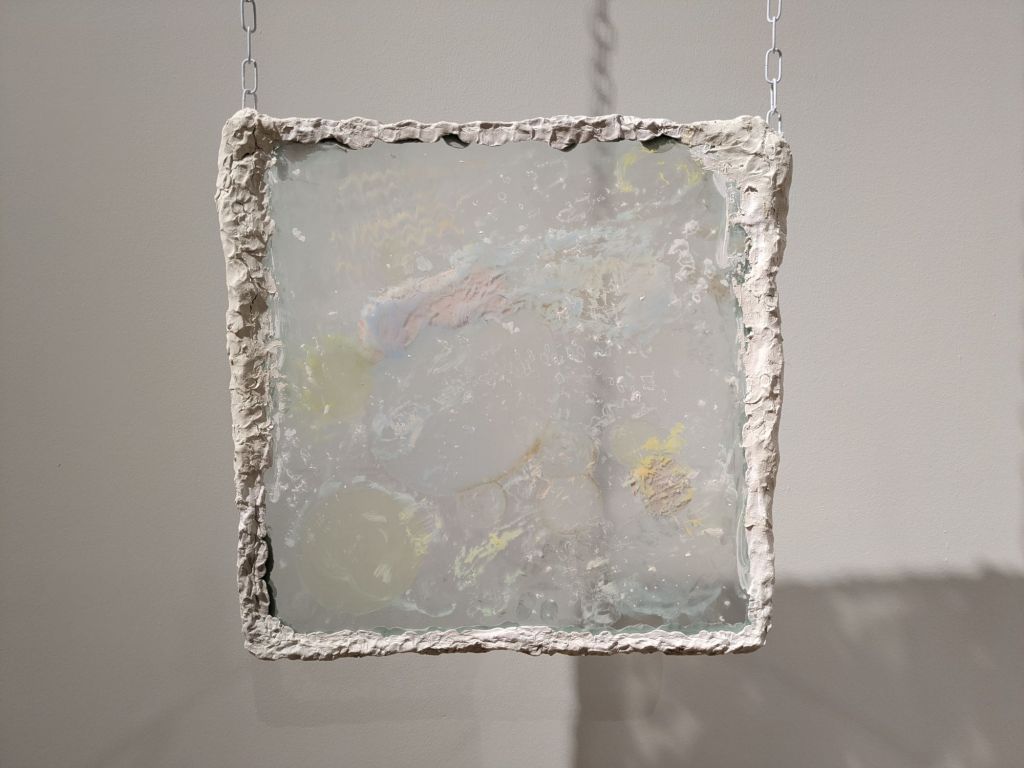
David Blyth
Alison Watt
Ian Hamilton Findlay
Karla Black
Glen Onwin
Fred Bushes
Andy Holdsworth
David Nash
The Boyle Family
and others
What art have I seen? Jaune Quick-to-See Smith ‘Wilding’
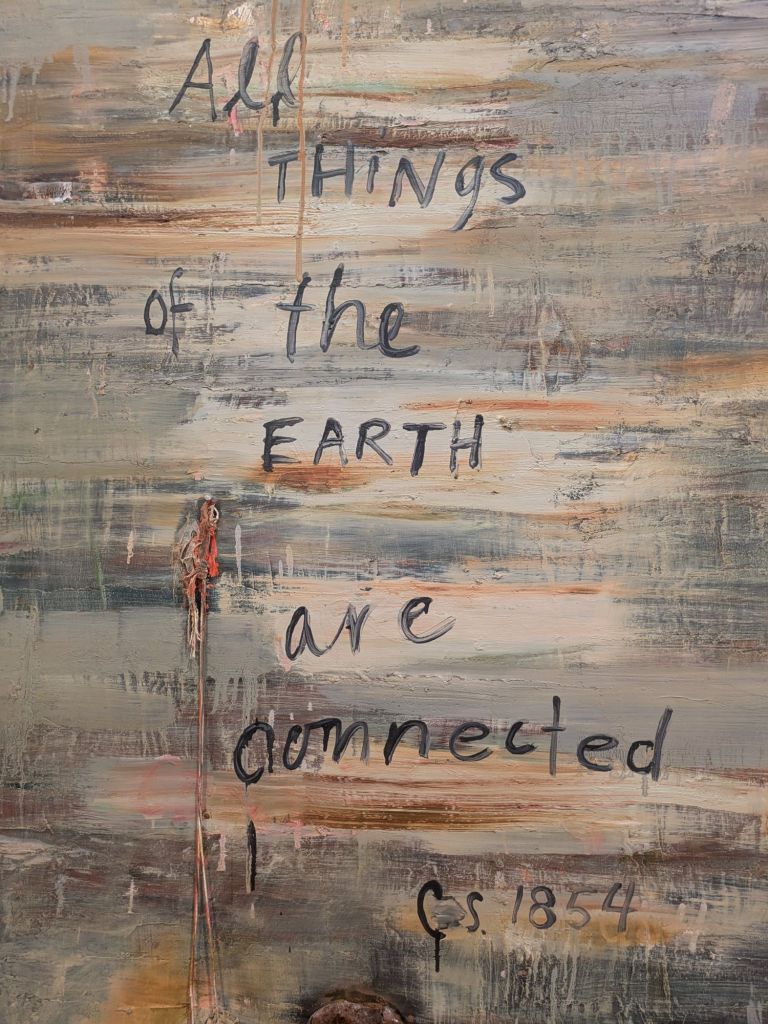
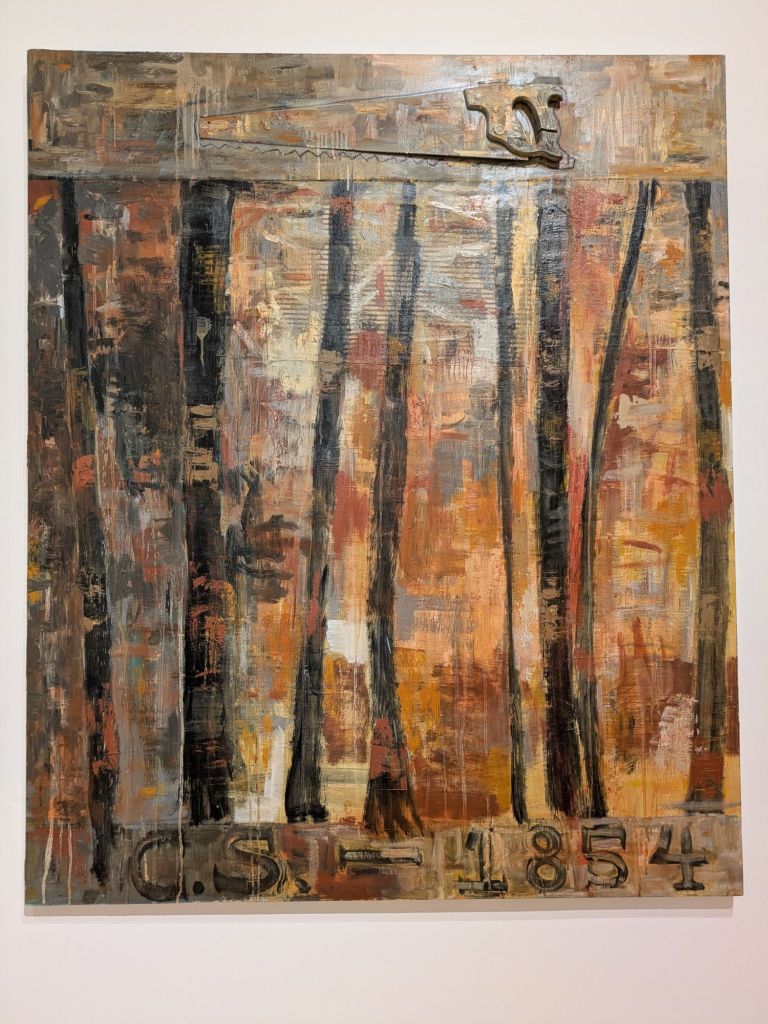
Returned for another visit having first seen the exhibition with Lara M Evans who generously shared her knowledge having worked with the artist extensively. In particular Lara drew attention to the references to Chief Seattle’s speech of 1856 – C.S. 1856 appears on some paintings.
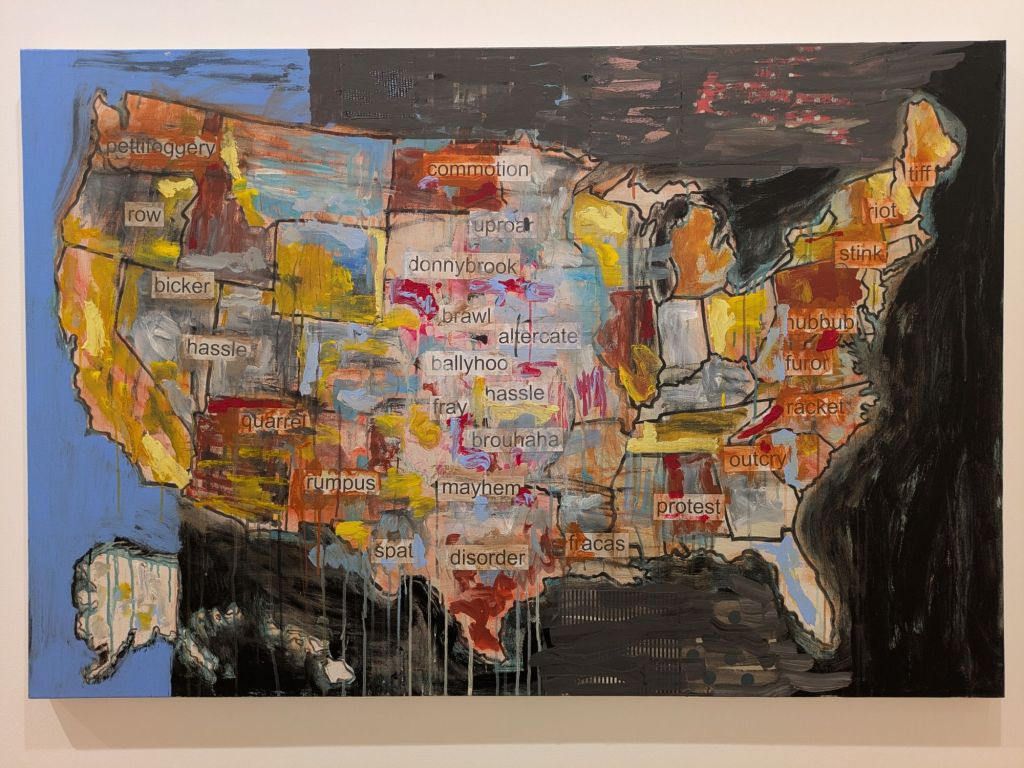
Maps feature as a basis for other commentaries.
Lara suggested that Jaune Quick-to-See Smith used aspects of the abstract expressionist aesthetics in part because it was recognisable to white Euro American eyes. Within this cultures clash, stereotypes play out.
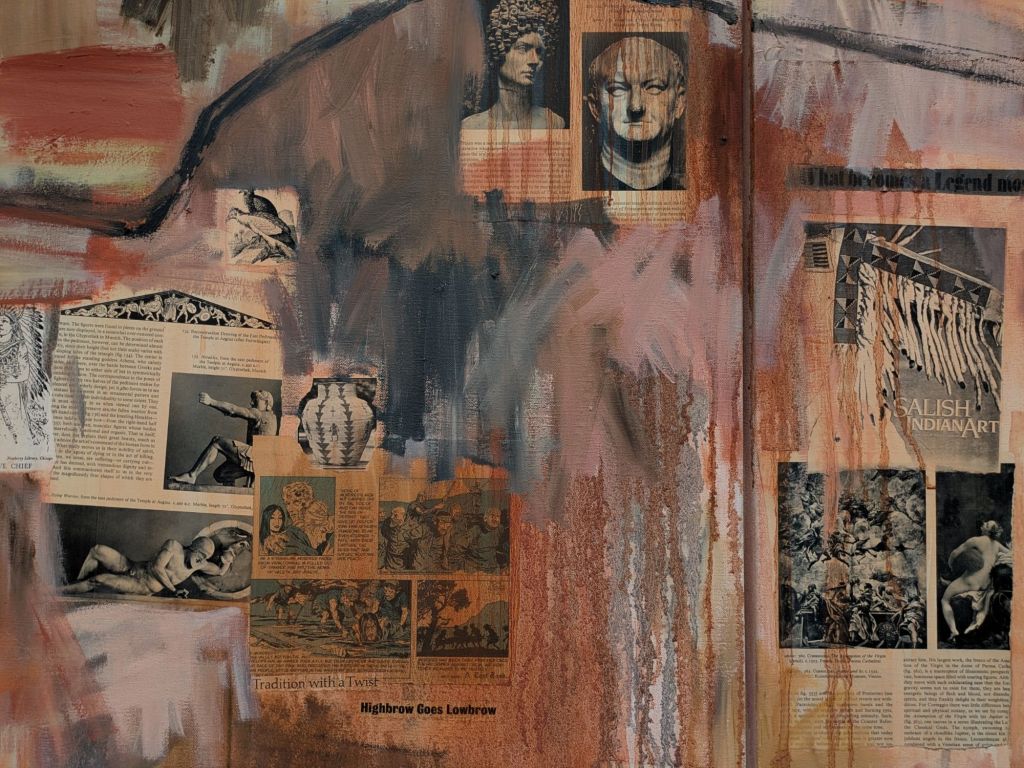
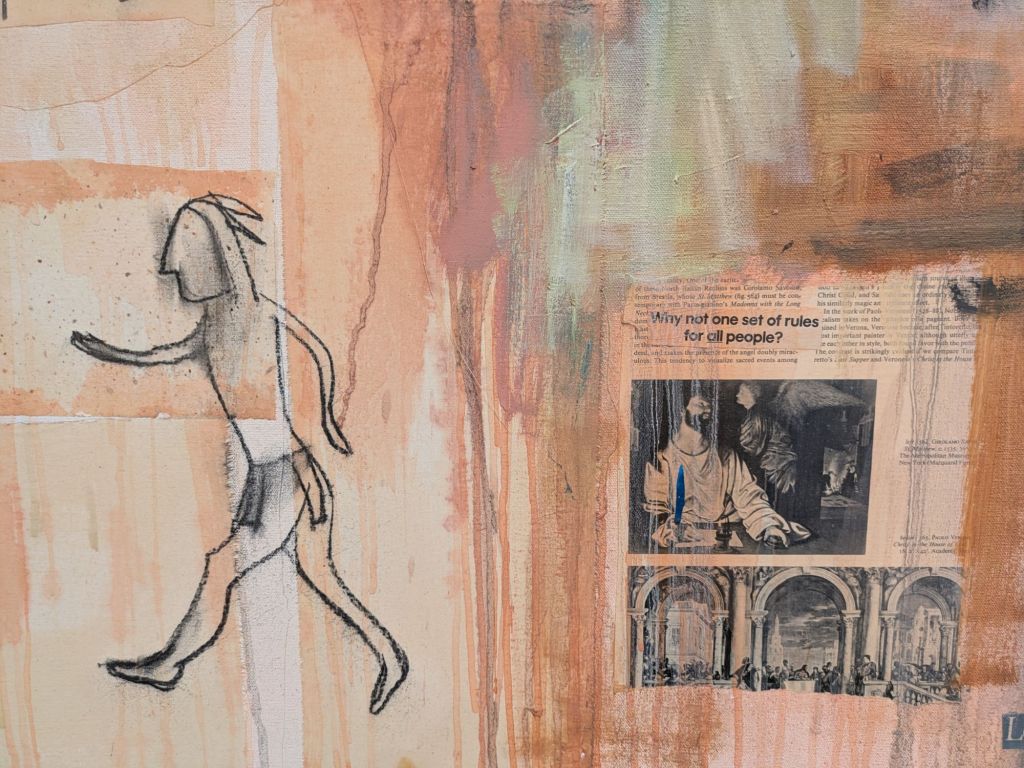
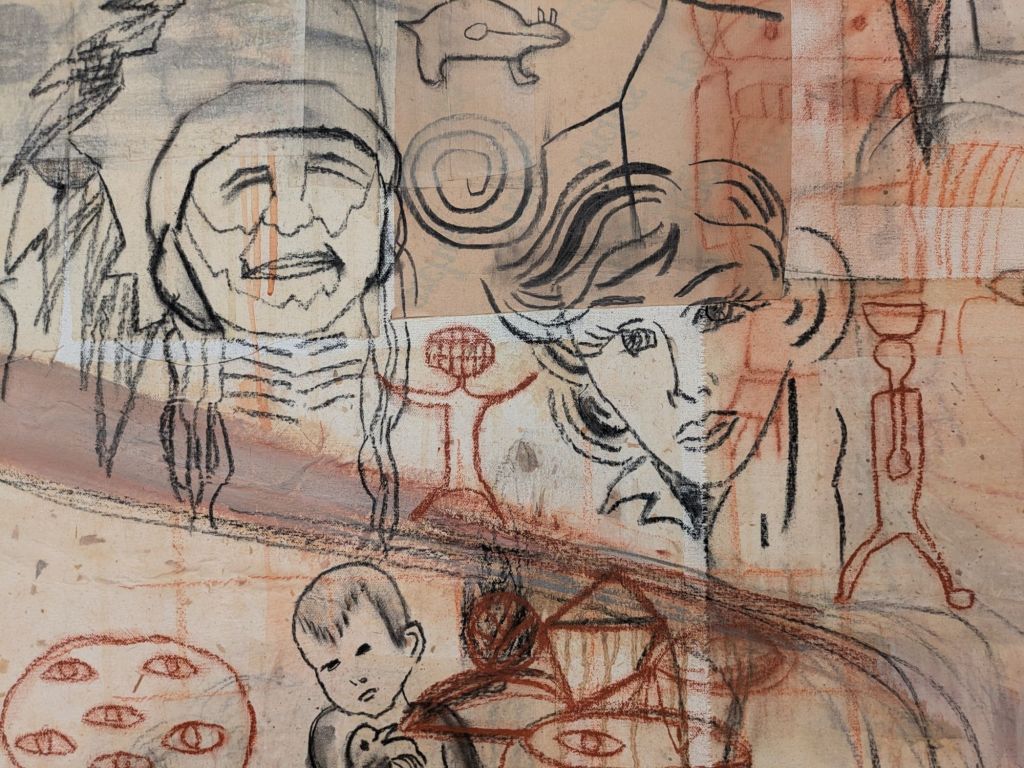
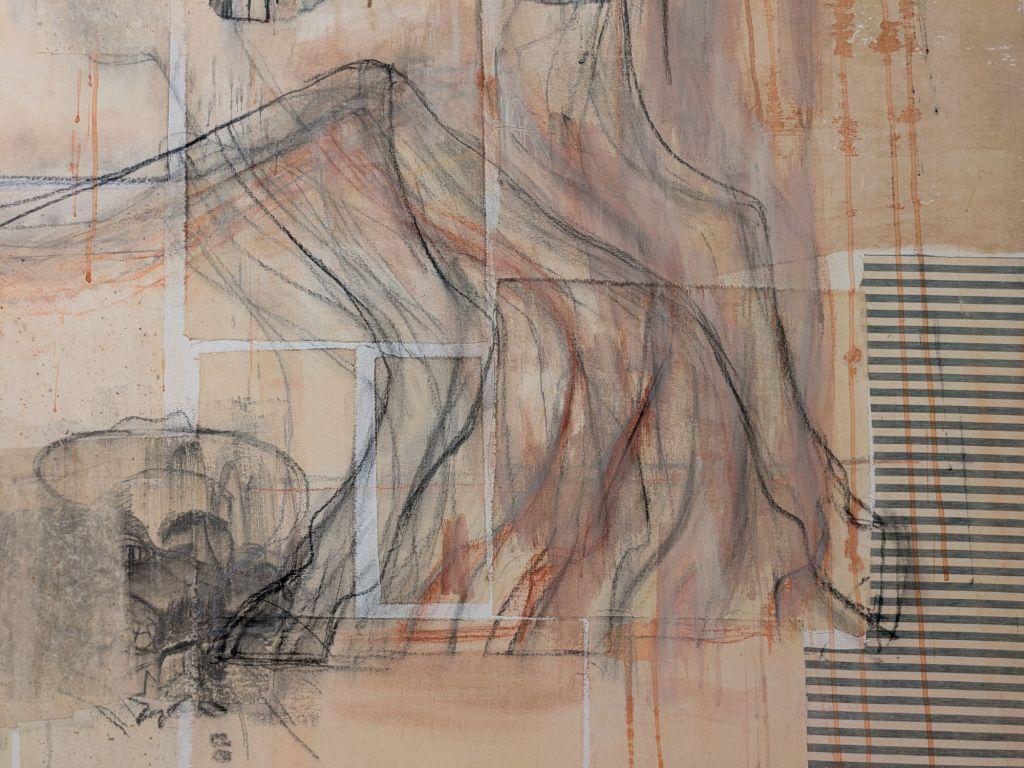
Upstairs is a wall made up of sketches assembled into another work when the artist was very ill. Above the stairs the boat of animals uses store bought plastic animals alongside hand carved.

Gray’s Research Exhibition: ecoartscotland library as bing

ecoartscotland library as bing, 2016 ongoing, digital images printed on aluminium.
Riffing off John Latham’s 1976 statements about the ‘mental furniture industry’ and the waste produced by academia exceeding the waste produced by industry, these images reimagine the ecoartscotland library in relation to a bing in central Scotland, typical but also exemplary in its simplicity. Life has developed on the bing. The ecoartscotland library, whilst not waste (yet?), isn’t at present a substrate for vegetable or fungal life, nevertheless doesn’t have intrinsic value(?).
The ecoartscotland library has been exhibited as a working library and as a bing, and has formed part of other projects.


A reasonably up to date list of the contents of the ecoartscotland library can be found here.
The ecoartscotland library is somewhat related to The Martha Rosler Library.
Failure: Jane Trowell’s essay on Failure and Hope
Trowell, J. 2017. ‘Embracing Failure, Educating Hope: Some Arts Activist Educator’s Concerns In Their Work For Social Justice’ in (eds.) Serafini, P., Holtaway, J., and Cossu, A., artWORK: Art, Labour, Activism, London: Bloomsbury
What art have I seen? Reflecting on encountering Sturtevant’s work at CAAC
How could I not know about this artist’s work? Repetitions of Marcel Duchamp, Andy Warhol, Jasper Johns, Joseph Beuys, Claws Oldenberg, and other younger artists including Félix González-Torres and Paul McCarthy.
Félix González-Torres Untitled (America, America) in the Whitney collection and Sturtevant’s repetition below at CAAC.


Félix González-Torres’ Untitled (Blue Placebo and Untitled installed for an exhibition and Sturtevant’s repetition Untitled (Blue Placebo) installed at CAAC below and together below.
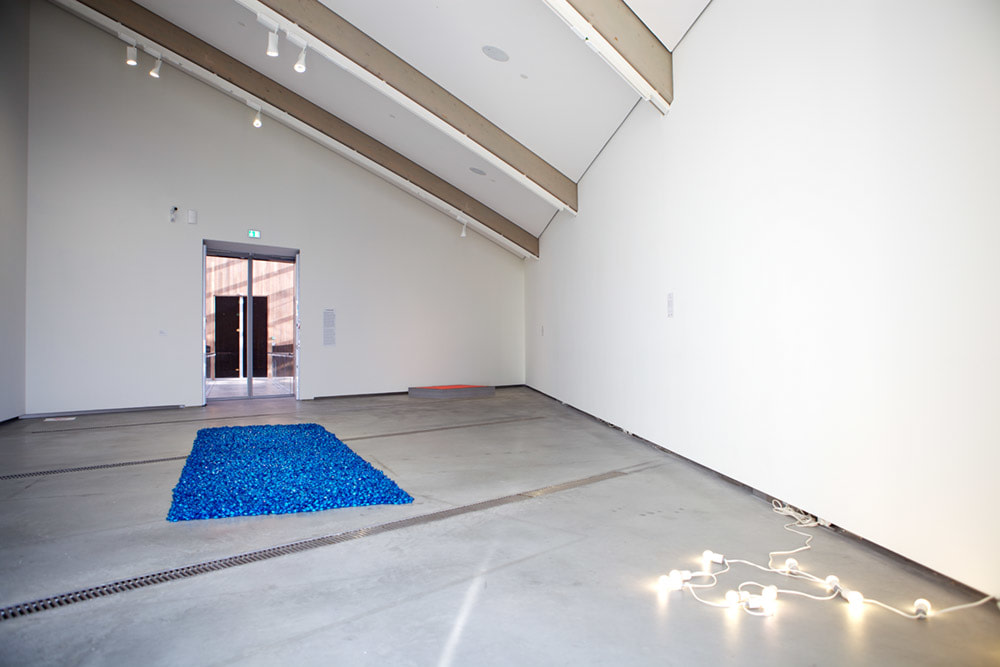


From the exhibition brochure:
“Difference does not arise from the contrast between the identical [the thing?] and the opposite, but from the depth that emerges in the act of repetition. In that space where repetition reveals the hidden, where insistence displaces the obvious, lies the core of Elaine Sturtevant’s work. Her radical practice does not seek to imitate or reproduce but to question. By repeating iconic works of her contemporaries, Sturtevant conducts a conceptual analysis that transforms notions of originality and authorship, demonstrating that creation does not reside in pure invention but in the ability to dismantle the systems that assign meaning and value to art.
At the core of Sturtevant’s practice lies a profound engagement with power: how it operates, how it is observed, and how it is internalized. Her work resonates with Michel Foucault’s theories on systems of control, particularly his concept[ion] of the [way that the] panopticon [works]. Much like Foucault’s model, Sturtevant’s work places both the creator and the viewer within a dynamic of observation and complicity.
…
Gilles Deleuze, in his work Difference and Repetition (1968), argues that the ‘new’ does not arise from the repetition of the same but from the affirmation of difference inherent in the act of repeating. Sturtevant’s repetitions, following this line of thought, diverge entirely from imitation or appropriation to become deliberate conceptual interventions that expose the mechanics through which meaning is constructed in art and culture.”
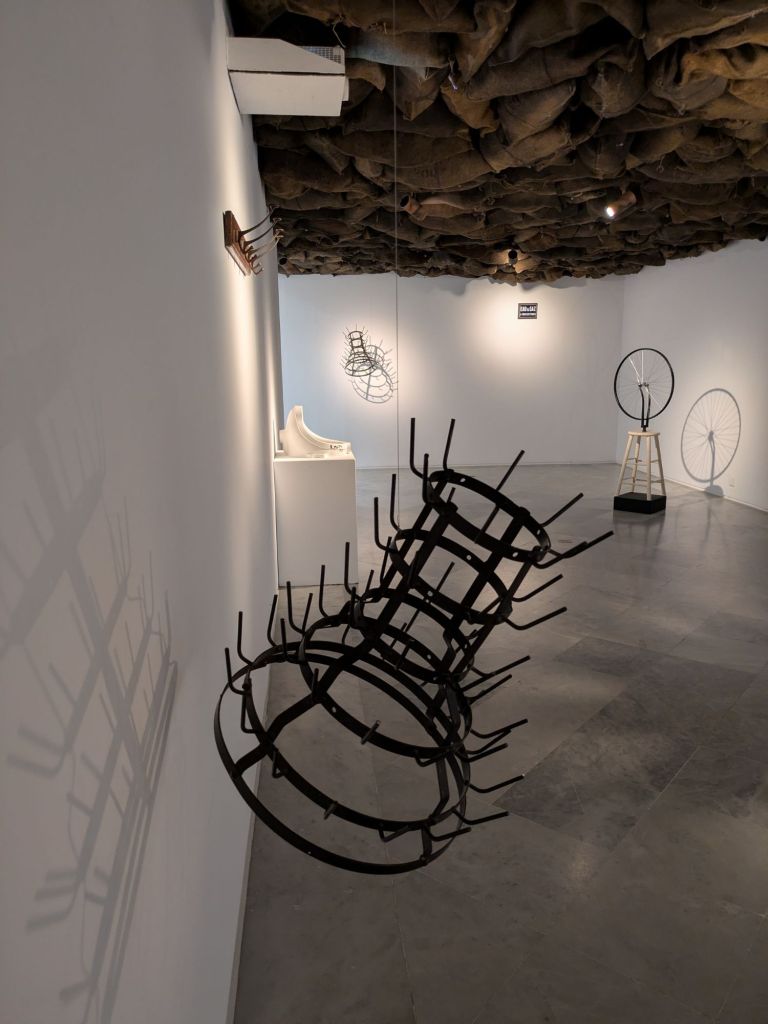
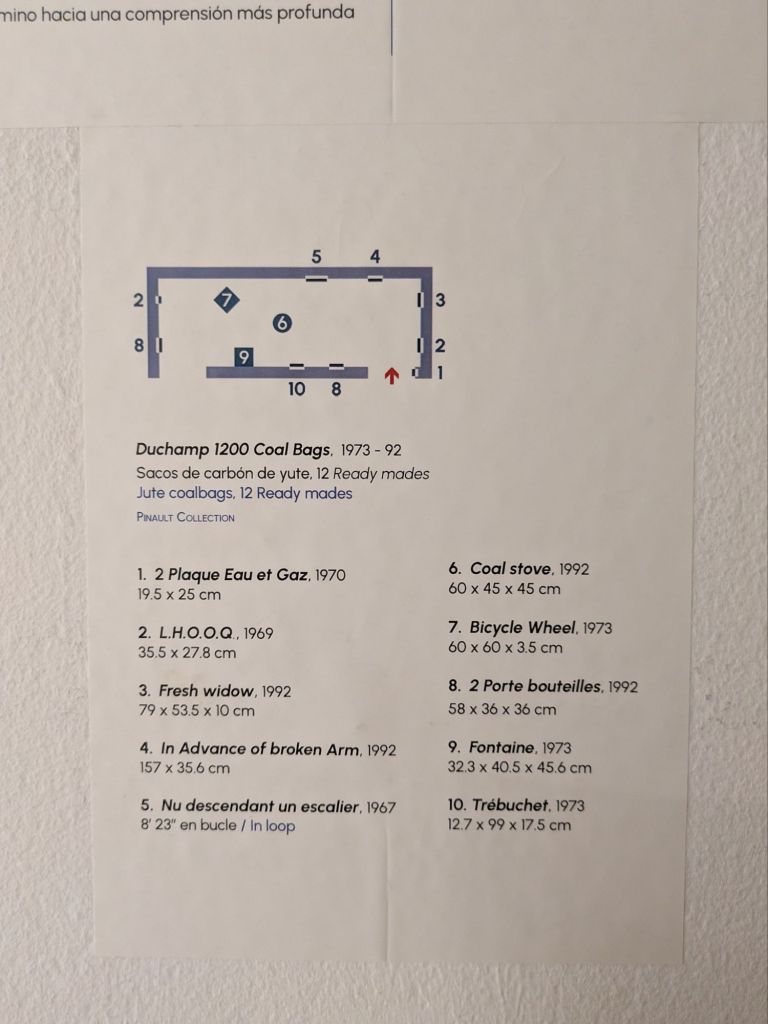
The ‘Duchamp room’ had a collection of works including Duchamp 1200 Coal Bags in the ceiling and a number of other works arranged in a conventional if slightly dense installation – the fountain, the bottle rack, the bicycle wheel.


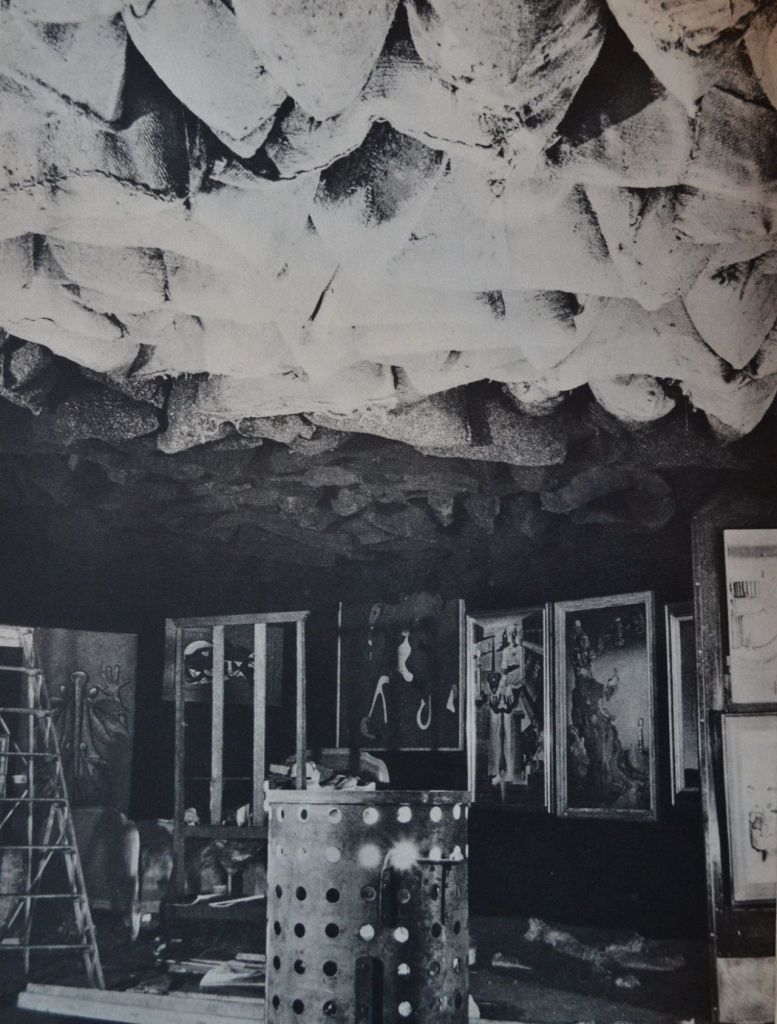
Duchamp’s installation of 1200 Coal Bags for the International Surrealism exhibition in New York in 1937 the floor was covered in leaves and it was darker and less of a greatest hits installation – it looks denser in the photograph.
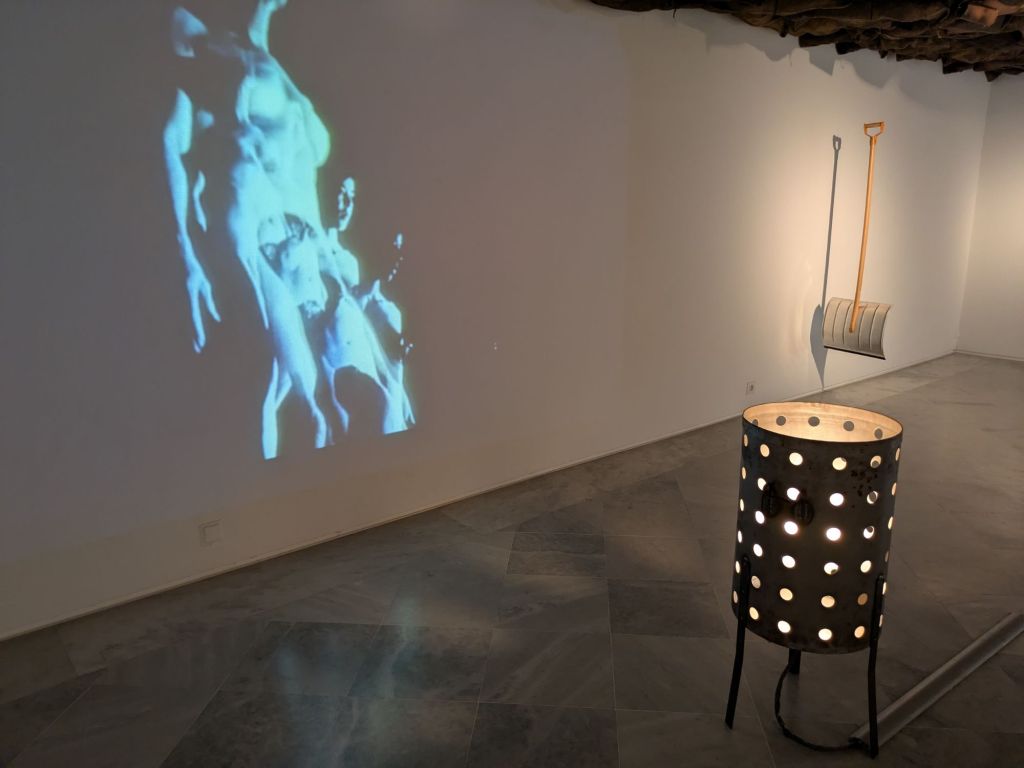
There is a film in the space too, entitled Nu Descendant Un Escalier, which seems to make use of Duchamp’s only piece of film, but remakes it with footage of mostly naked women descending stairs, and includes a title screen (below). Where all the other works are copies, this uses some different elements. It’s not the only invention hidden within the copies (see Beuys and Johns below). It’s also interesting that there are 2 bottle racks and between this and another room 7 Fresh Widows.



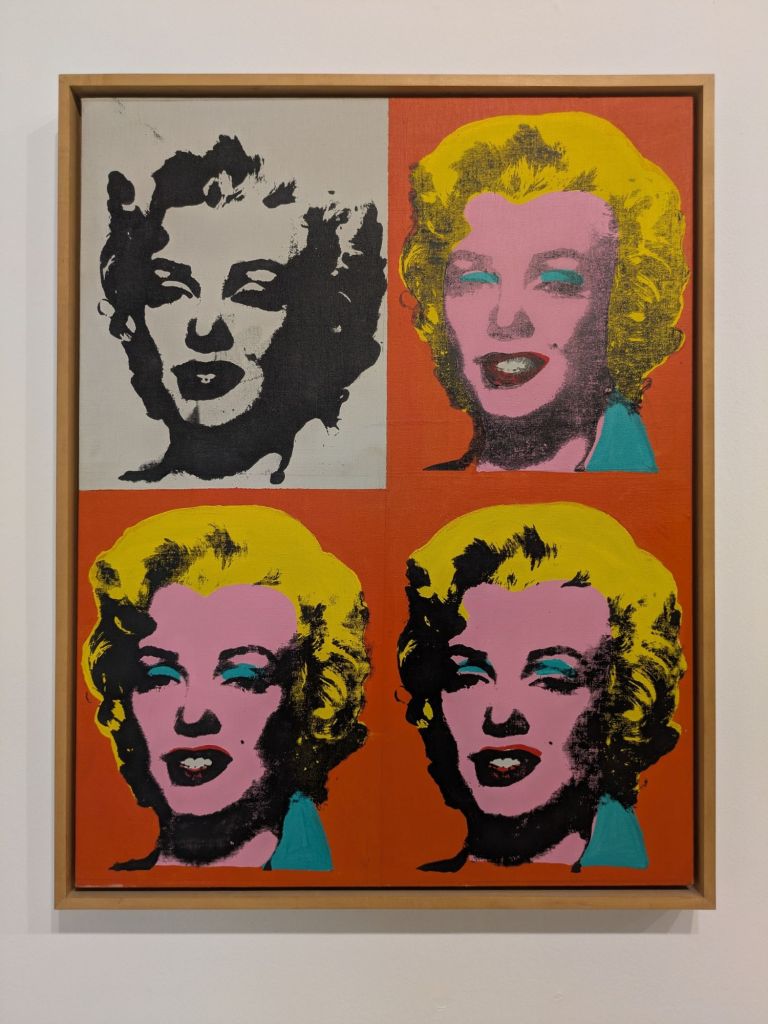

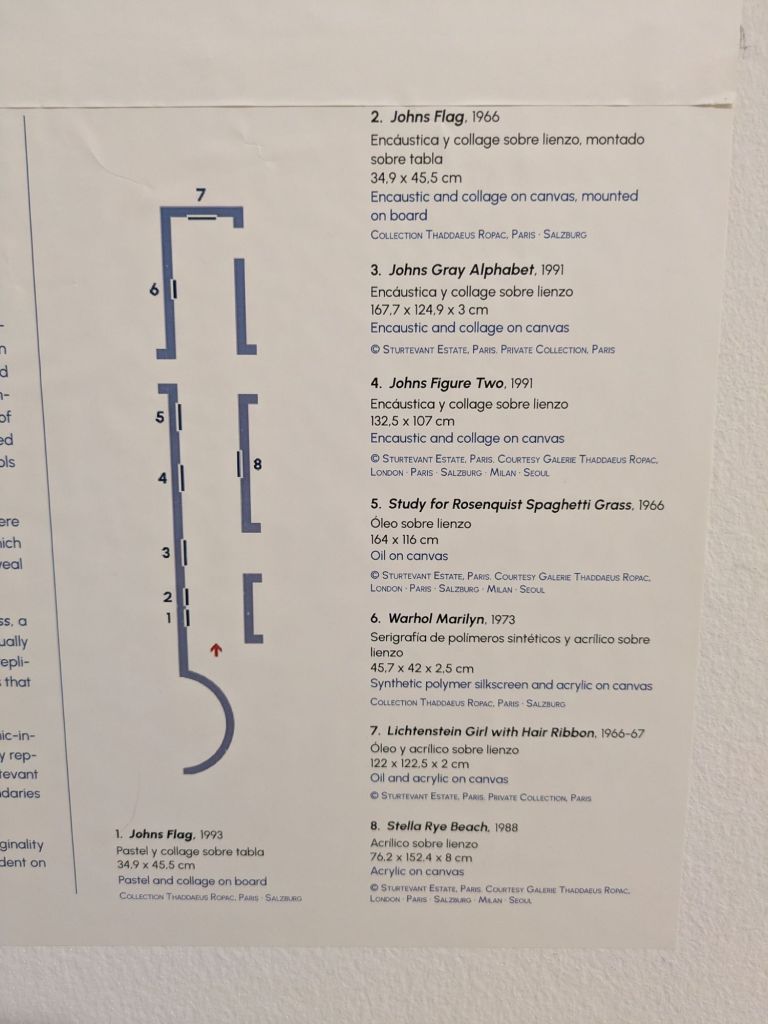
The exhibition literature argues, discussing Sturtevant and Warhol and in particular the work with Warhol’s Marilyn Monroe silkscreen, “This implicit collaboration between the two artists encapsulates the tension between originality, authorship, and repetition, positioning Sturtevant as a key figure in the development of conceptual art.”
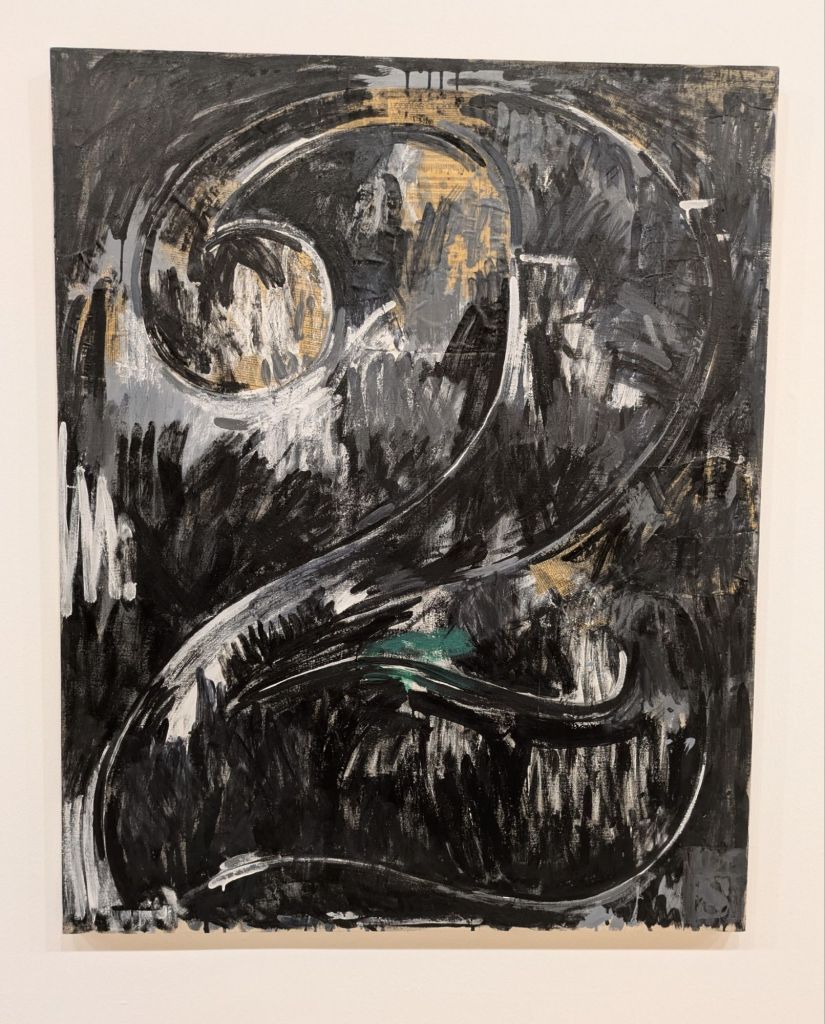
Of course this is conceptual but it is also made – the instruction is the existing work. There are Jasper Johns’ American Flags and numbers. The Figure 2 below is painted on newsprint and I can’t find one quite like it using Google.
Suze Kay discusses these works at length focusing on what sort of reproduction Sturtevant was making, pointing out that even though Sturtevant is using Warhol’s silkscreens, they are poorly made. Kay says “Especially in comparison to the original, but even alone, the unique nature of Warhol Marilyn is clear. The less-experienced Sturtevant produced a hazy image with poorly matched color fields. The boundary between the image’s cheek and hairline fuzzes into a dark smudge. Thin commas of turquoise sit haphazardly above the Warhol Marilyn’s eyes, just barely mimicking eyeshadow. The image’s surface is further flattened by the angry, sloppy smudge of red that slashes across its lips.”
Kay had earlier described an encounter with one of Sturtevant’s Frank Stella’s saying “Ingrid Langston … tells an amusing anecdote about a pair of viewers looking at one of her Stella repetitions. “Somebody walked in and said: That’s the worst Stella I’ve ever seen. And then somebody replied, Yeah, but the best Sturtevant.”
Sturtevant was subject to much hostility and largely ignored in the US. Kay describes her works as ‘cruel’ in what they do to the works of the male artists she is repeating.
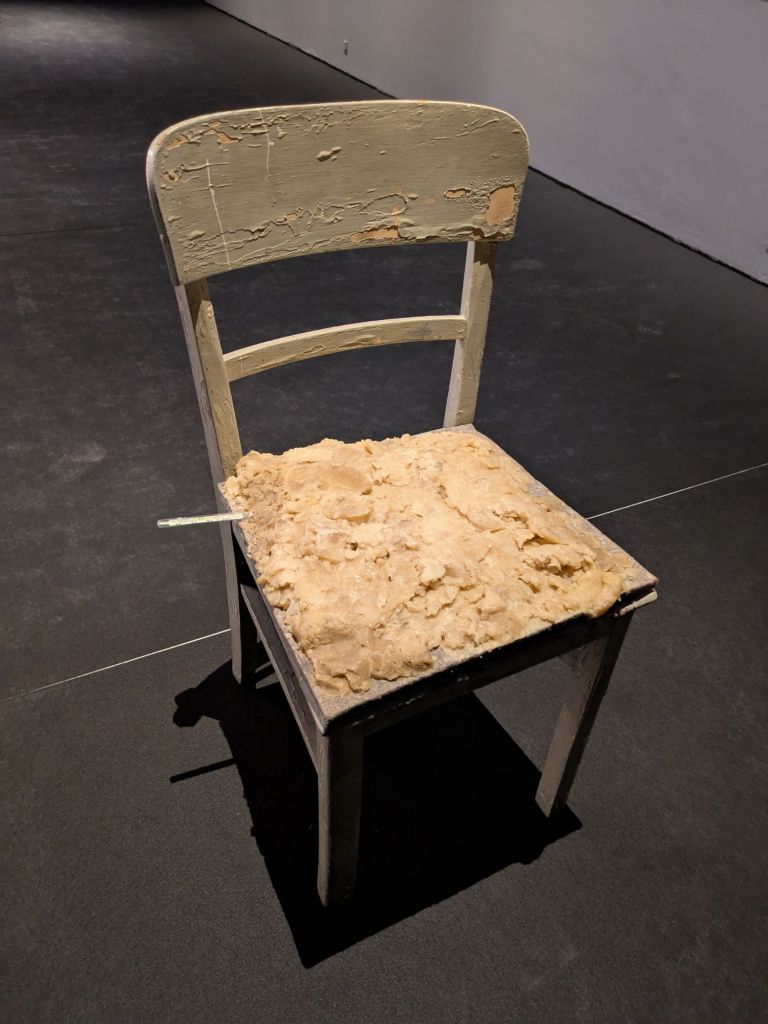
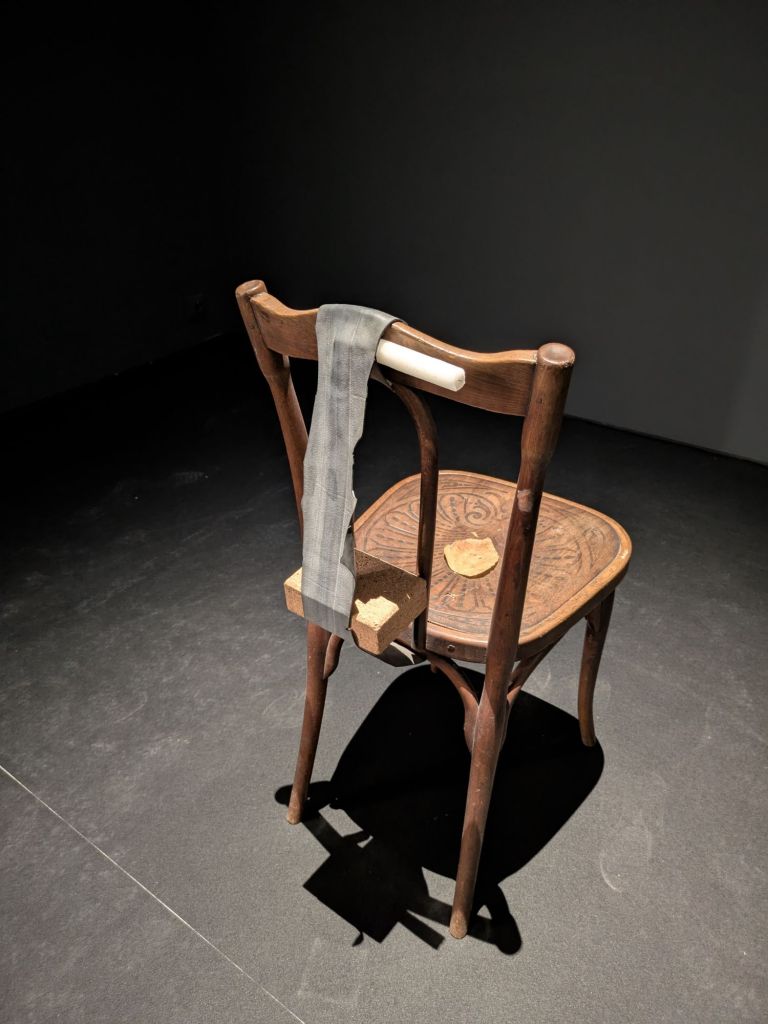
There is a room with two chairs and a set of windows – the windows are entitled Fresh Widow, a work made by Duchamp in 1920. There are 6 here and another in the Duchamp room. The chairs are attributed to Joseph Beuys.

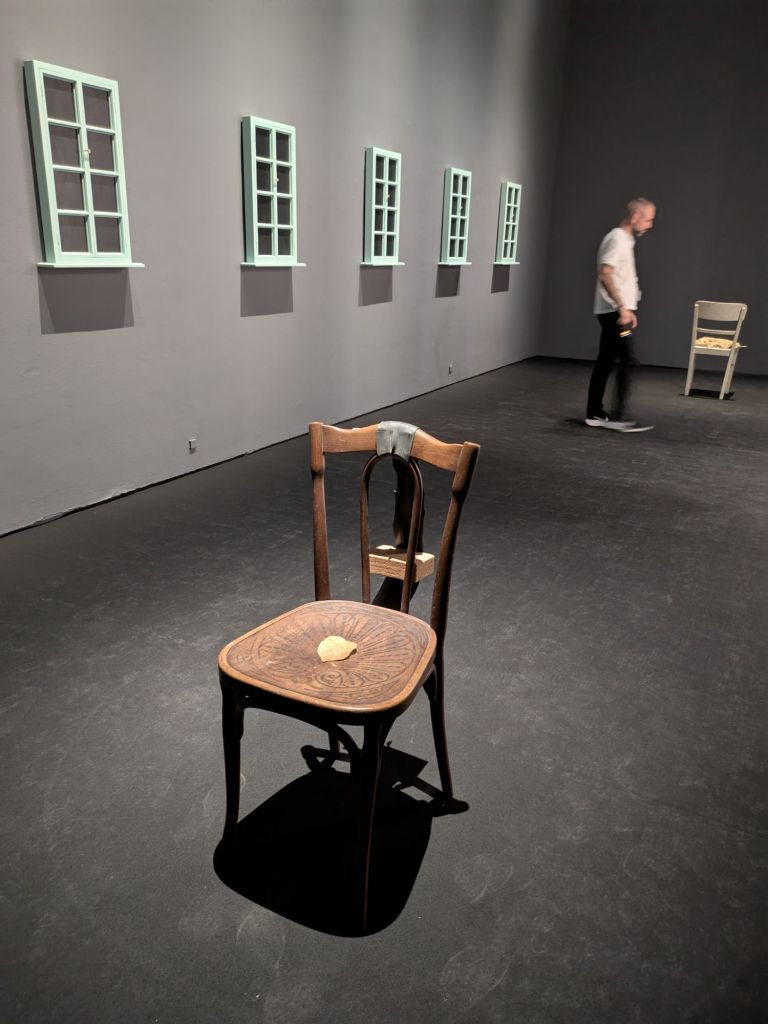
One is entitled Beuys Fettstuhl and is, apart from not being ina climate controlled vitrine, very close to the one in the Tate, including the thermometer sticking out the side.

The other is entitled Beuys Vor Dem Pultstuhl and I’m not sure it is a copy though it uses wax and lead and brick and a leaf, all very evocative…

On one of the corridor walls we find a wanted poster (coincidentally with a dragonfly).

And in a room at the end of the exhibition a video entitled Sturtevant Re-Run.
The Sturtevant Estate is according to the captions represented by Galerie Thaddeus Ropac. They also represent Robert Longo and in an exhibition of his works where he was redrawing other artists’ works they quoted on the wall part of an essay by Dominique Font-Réaulx
“Longo’s ambition was to translate these paintings into his own language, to free the language imprisoned in a work by recreating it in his own style, to grasp, through a process of remaking and reinvention, the artist’s thought, which is discernible through intention and in gesture.”
Sturtevant isn’t translating into her own language (even when she is inventing new examples). Rather it seems to me she is questioning whether an artist’s language should be understood as singular, that the is any claim to uniqueness. She is certainly playing with Walter Benjamin’s argument about the aura of work of art in the age of mechanical reproduction – she is showing that the aura is a fiction. I might not be able to find the Jasper Johns’ Figure 2 (though I haven’t looked in a catalogue raisonne) but even if I did I would still be faced with a dilemma – can the copy also have aura?
We might need to turn to another Marxist critic Frederick Jameson and his argument that we have seen a shift in Capitalism from production to reproduction, “…how late capitalism transitions from an economy of production, where one makes objects, artworks, and commodities, where the output is a product, to an economy of reproduction, where signs, images, and ideas are the ever-circulating outputs.” as it is put in Ruby Thelot’s essay ‘Art Making Machines’. It’s interesting to consider Sturtevant in this light because there is specifically production here – it is the production of male artists’ works with in some cases a ‘disturbing degree of accuracy’ that opens up the questions about authenticity and power. Kay provides a valuable gloss on this point, “Sturtevant saw a piece of art as consisting of three main parts: the object, the process, and the concept. In an original work, the artist is responsible for the creation of all three parts. For example, when Johns made his original Flag (1954, figure 3), these parts were inseparable. But for Sturtevant, only concept mattered. “Although the object is crucial, it is not important,” she once said, a statement followed by “Process is crucial but not important.” Sturtevant, by mimicking the original artist’s process and pulling directly from their imagery, found herself responsible only for the content of an image. This unique approach of repetition allowed her work to directly challenge the artist’s original message, or as Langston says, is how she “called out other artists on their own claims.”.
Sturtevant isn’t the only artist who has resisted being associated with a specific movement, in this case feminist art, but for me she contributes a very important dimension – recent arguments made for the centrality of feminist approaches e.g. Heartney et al 2024 would be complemented by Sturtevant’s project. And the creation of a body of work that so effectively, even “brutally” in Sturtevant’s own terms, takes on the dominant male artists of the time and draws out the understructure the work is resting on must surely be understood as a project with a gender and political core?
What art have I seen? A Hundred Years of Biomorphism – Art and Nature
There are times you see something that could have been made yesterday but is in fact nearly 100 years old.
Exhibition from Pompidou collection including surrealism, land art, design, roughly grouped into 4 themes: Metamorphosis, Mimicry, Creation and Threat.
Besides the Len Lye work above it was interesting to see László Moholy-Nagy’s documentary film on lobsters. Also interesting to see Robert Smithson’s Spiral Jetty film and be reminded that he comments on the pink water resulting from the algae. (A year later in Survival Piece #2 the Harrisons use this characteristic of salt water algae to create a colour field/ shrimp farm/ salt works outside the LA County Museum.)
There is a good description of the exhibition here
What art have I seen? Centro Andaluz de Arte Contemporáneo (CAAC)
Multiple installations across former religious and ceramic production spaces.
Amie Siegal film work Asterisms exploring UAE culture in particular horses, more here
Louise Bourgeois installation
Kader Attia – Algerian French artist with works ranging from the beautiful and ironic through the deeply affecting to the angry and including some classic collages.


More in Attia here
Regina de Miguel – Spanish artist – striking film on Rio Tinto and the origins of the Anglo/global mining business in extracting copper resulting in pollution and oppression. Interestingly it appears the Romans were here doing the same things. If you look at Rio Tinto on Google maps it’s about 40km from Seville and a destination sold on landscape remediation.
de Miguel’s work Rising Anxiety composes with maps, keywords, place-names, and quotes from JG Ballard’s novel

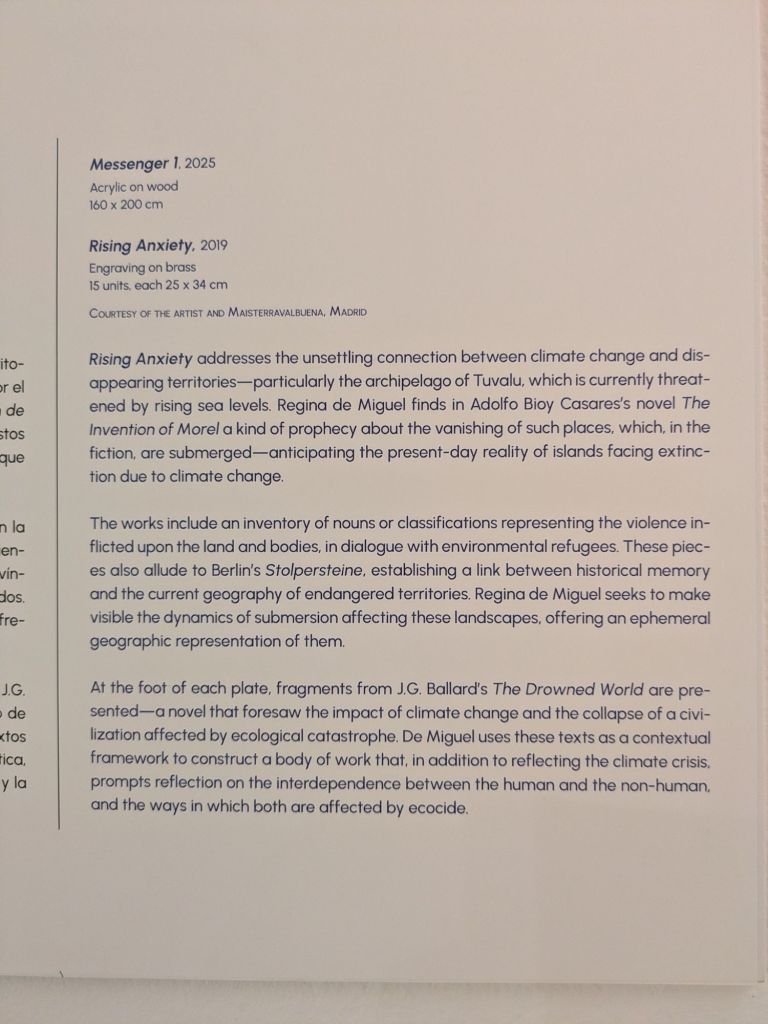
More on de Miguel here
What art have I seen? Knowing by Ear
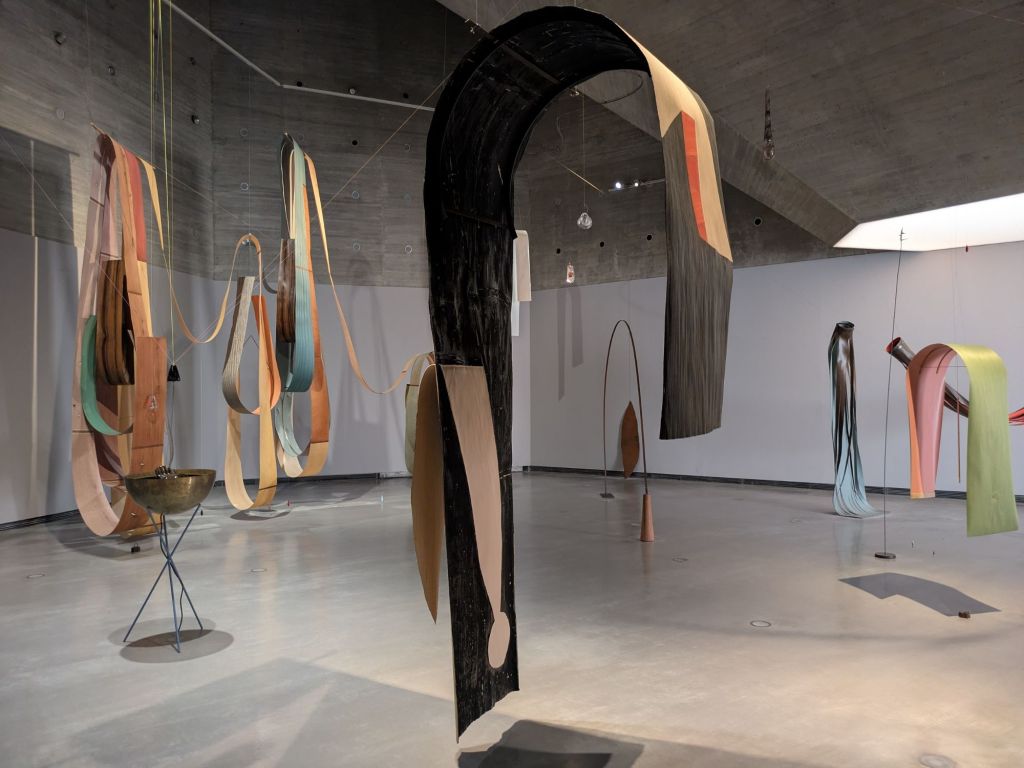
Cristina Mejías, Knowing by Ear. Silent Singers; Wandering Apprentices. https://www.c3a.es/exposiciones-actuales/detalle/-/asset_publisher/pQ0PxnELFHyj/content/saber-de-oido-cantantes-silenciosas-aprendices-errantes-cristina-meji-1
Amazing new building – definitely architects let loose. Various other installations.
What art have I seen? Picasso Museum Malaga
More interesting than the one in Paris because it’s better curated, less about quantity.
Interesting attempt to break up the idea of ‘primitivism’ – would have liked that to be more developed: what aspects of which objects influenced Picasso in which ways?

Having seen ‘5 Friends: John Cage, Merce Cunningham, Jasper Johns, Robert Rauschenberg, and Cy Tombly’ recently you can see why if Picasso so dominated the landscape you turn away from his approach to the rejection of constraint on thought or action… find other means.
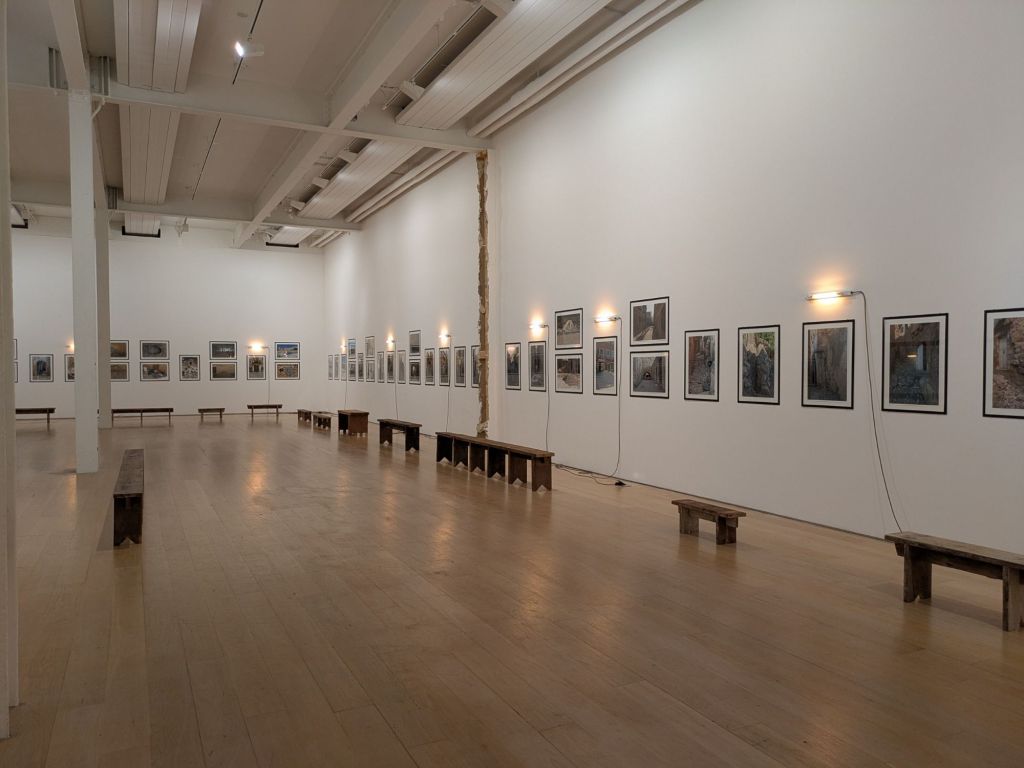

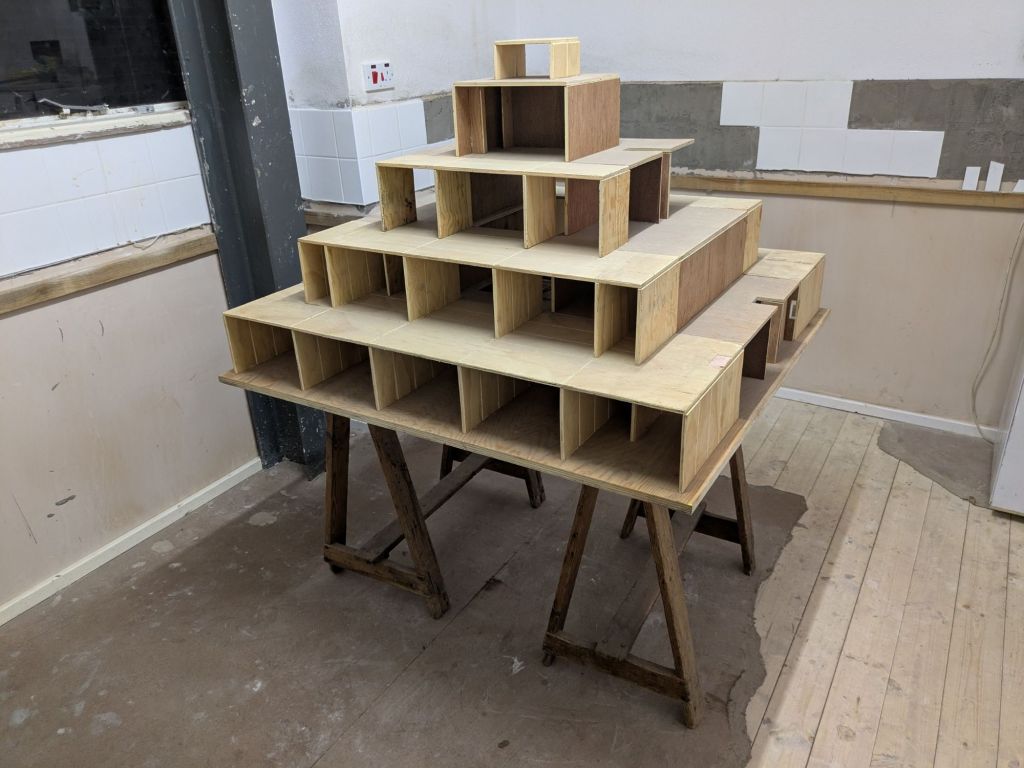


What art have I seen? Museums in Munich

‘5 Friends: John Cage, Merce Cunningham, Jasper Johns, Robert Rauschenberg, Cy Tombly’ at Brandhorst. Exploring various ideas that run through the different artists’ works – silence and nothingness – Rauschenberg ‘a White paintings, Johns’ White Numbers, Tombly’s, Cage’s 4’33”. Cage and Twombly’s Mushrooms. Duchamp an obvious presence.
Brilliant to see Cage’s collection of stones.

Pinakotek der Moderne had two really interesting exhibitions:
Trees, Time, Architecture: Design in Constant Transformation which explored experimental uses of trees in architecture and urban spaces. Really useful juxtaposition with all the artists’ projects. https://www.pinakothek-der-moderne.de/en/exhibitions/trees-time-architecture/
Yoshihiro Sunday: Garden Eden – beautiful selection from the collection juxtaposed with hand made weeds. https://www.pinakothek-der-moderne.de/en/exhibitions/garten-eden-naturutopien-japans/
What art have I seen? Electric Dreams
Art and technology before the internet at Tate Modern.
Good points: properly multi centred – yes US and UK but other European centres including in Europe – Italy, Germany, Zagreb, and then also Japan, Brazil and South America, etc.
What I’d like to have seen – the collection rooms (not the installation rooms) could have had non-art experiments to just make more visually viscerally clear how much this is a hybrid practice. A good example might be W Ross Ashby’s ‘box’ or homeostat.
The exhibition has a glossary room by room but there isn’t a timeline of the emergence of terms, and the history of the language of cybernetics is an important complement to the excellent diagram of the various artists and groups.
What art have I seen? Thoughts in the Roots

Giuseppe Penne at Serpentine Gallery. It looks so simple but every work is a labour and many are the result of decades of thinking and development.

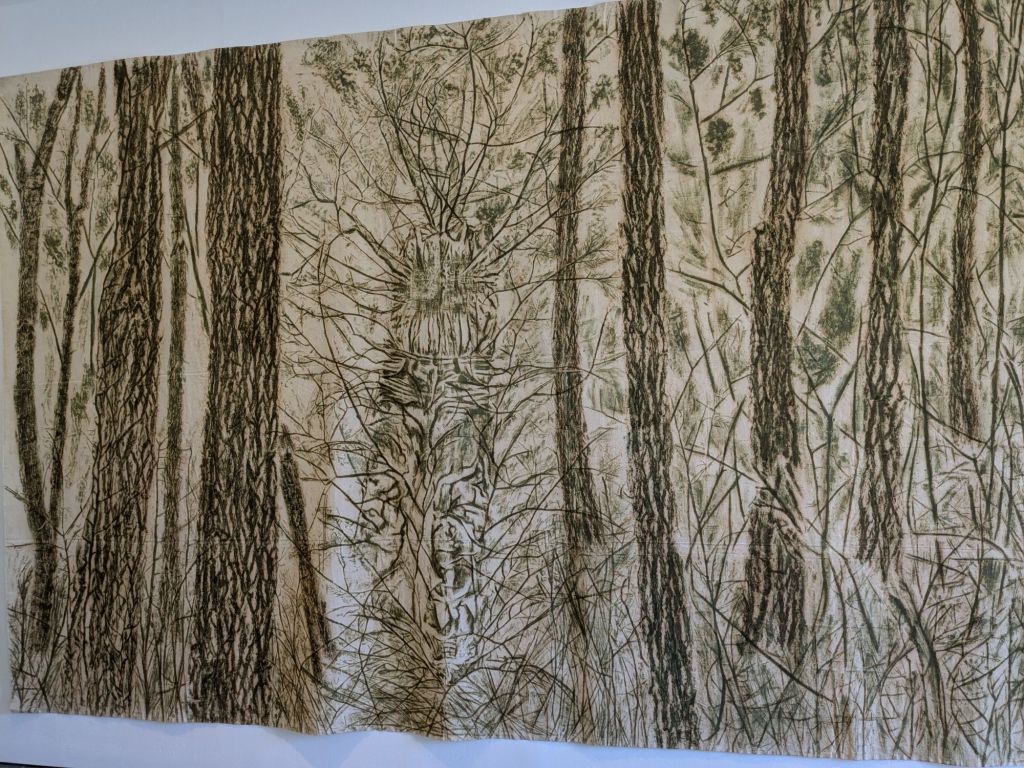
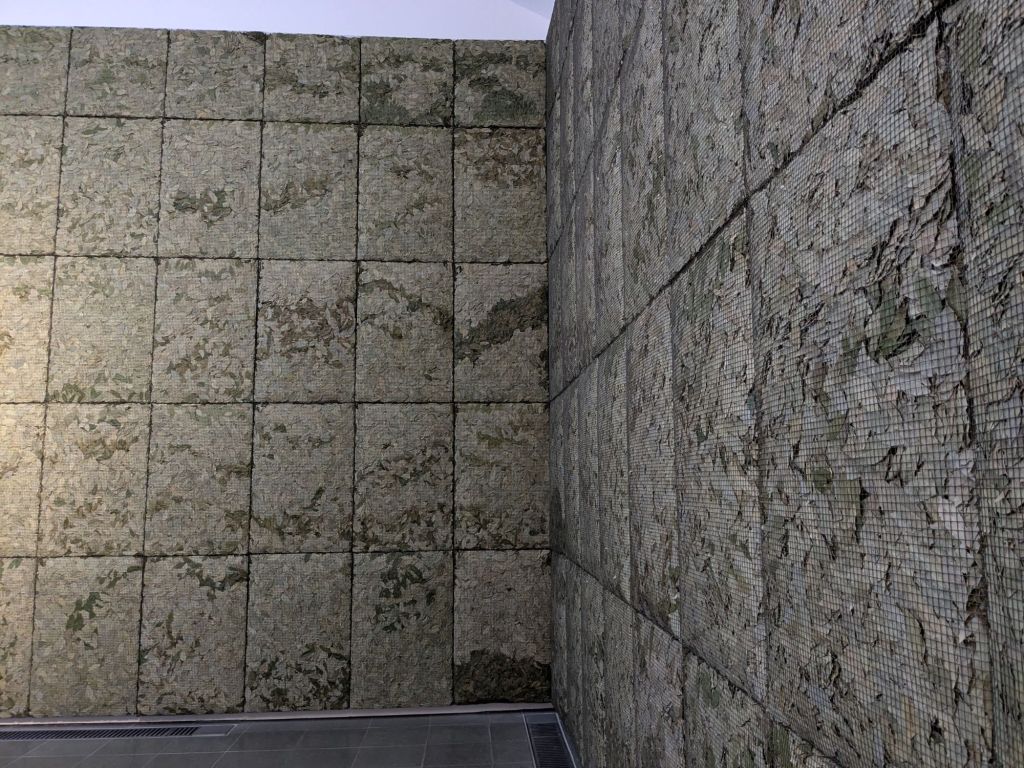

What art have I seen? I Find Myself

Barbara Steveni at Modern Art Oxford. Her assemblages, and a homage to her collected detritus, her preserve, conserve, destroy. Documentation of APG, O+I, etc, and of her ‘I am an Archive’.


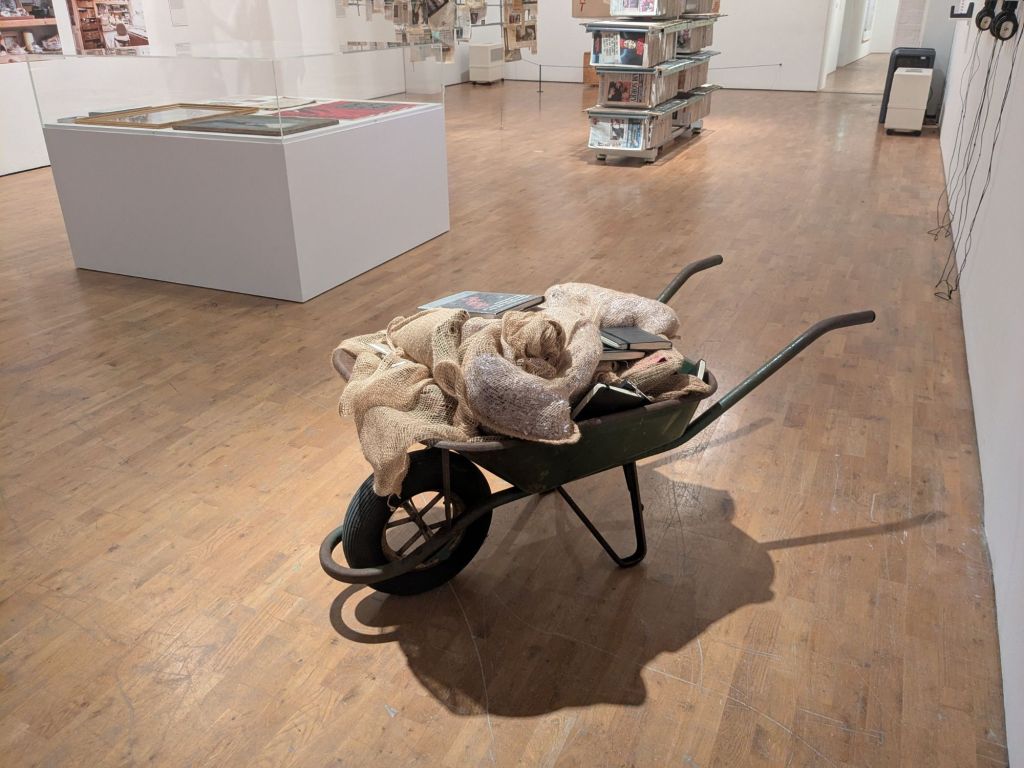
Tears welled up seeing her and Lorna Waite.

What art have I seen? Fragile Correspondences
Scottish pavilion at the Venice Architecture Biennial represented at the V&A in Dundee. Particularly appreciated the work on Ravenscraig by Amanda Thomson.
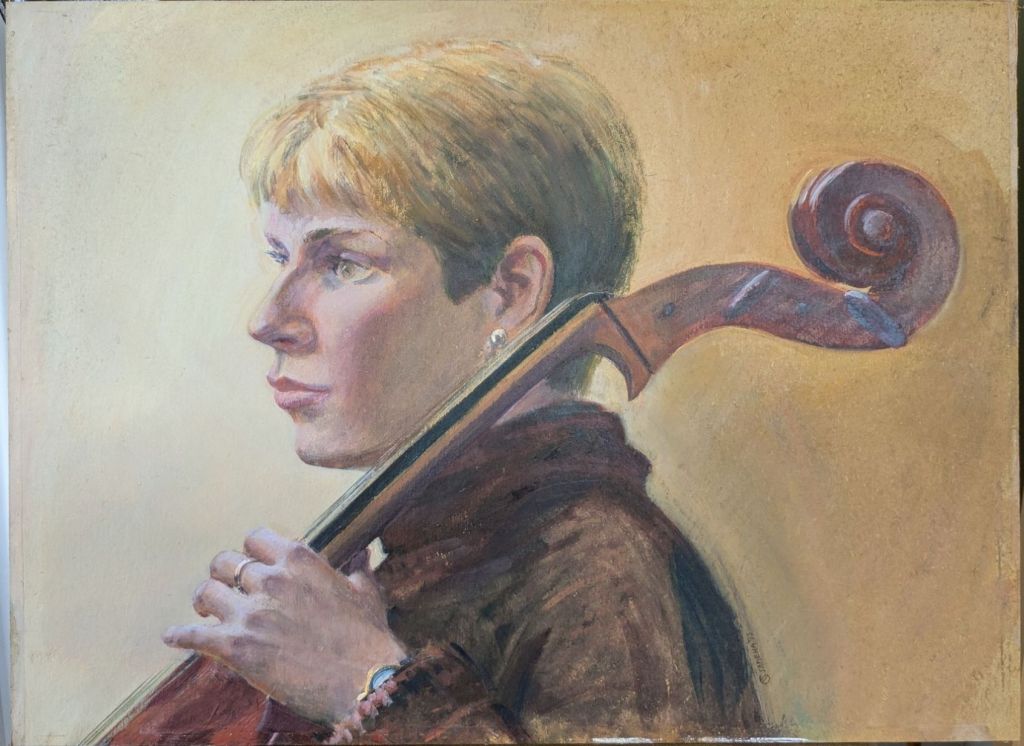
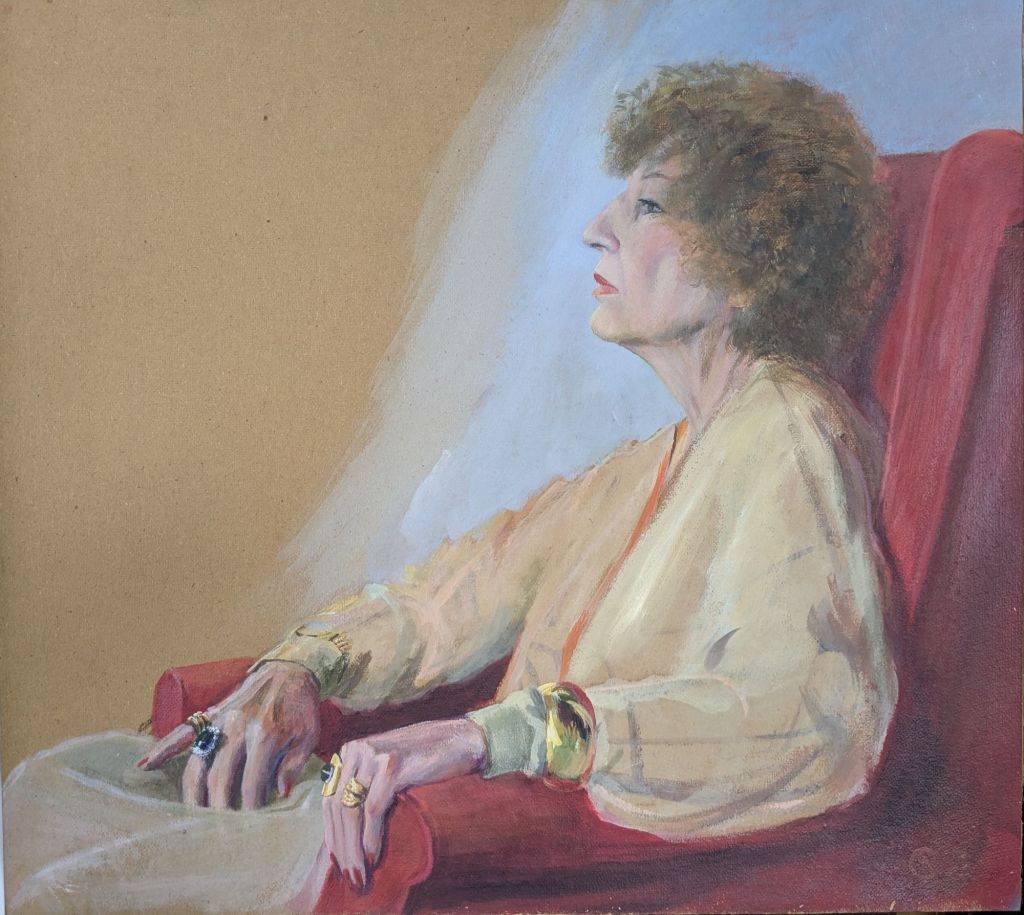
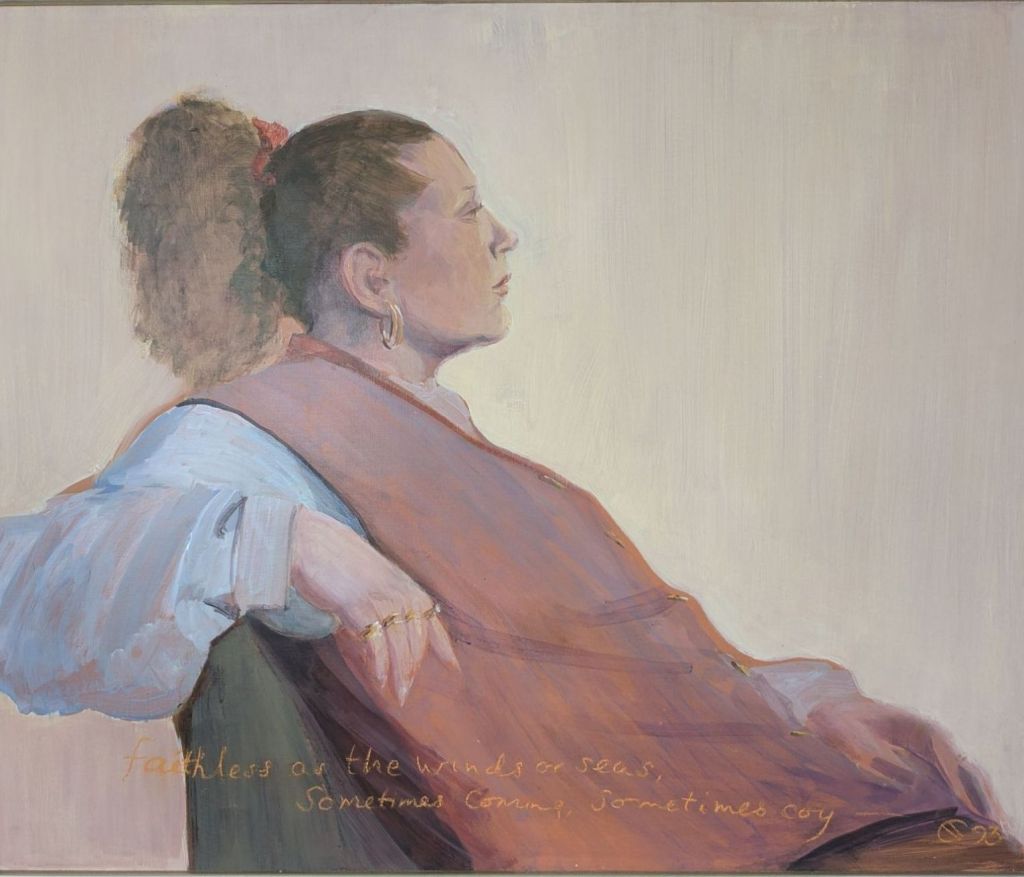
Christine Fremantle Portraits – do you know these people?
Christine Fremantle painted these portraits in London in 1992 and 1993.
If you know any of these people please contact me. Add a comment or email me – it’s first name @ surname.org
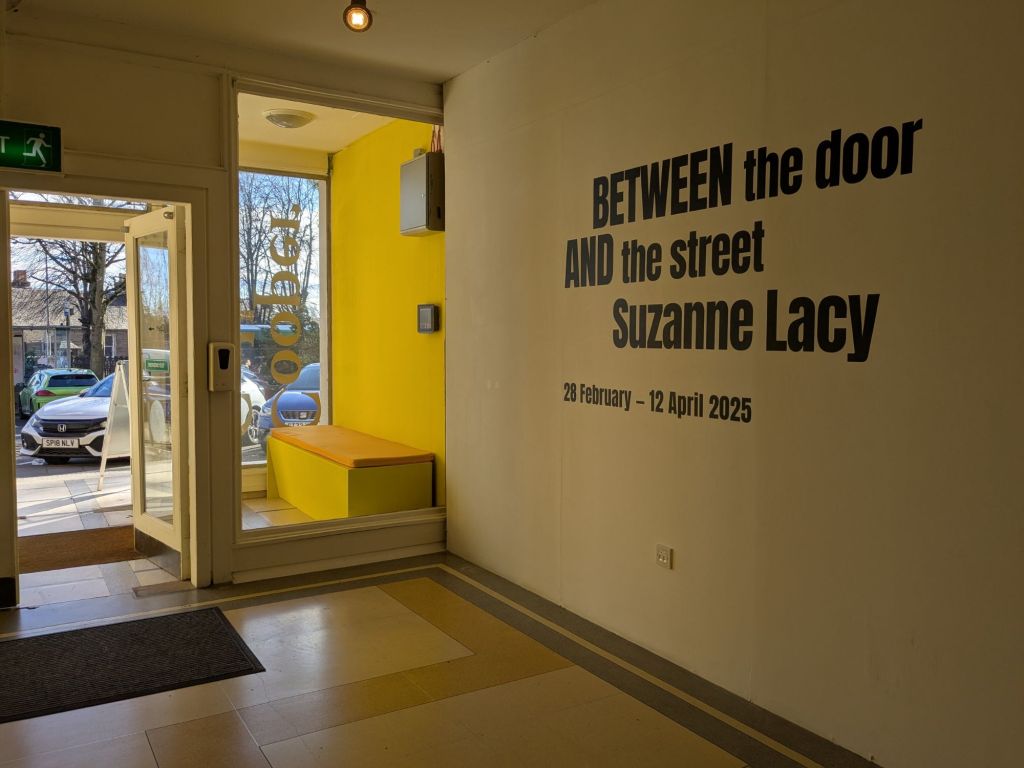
What art have I seen? Suzanne Lacy’s BETWEEN the door AND the street
Really nice well conceived exhibition of a single work by Suzanne Lacy which opens up her practice. Currently listening to Suzanne Lacy in conversation with Cooper Gallery Director and Curator Sophia Yadong Hao. The importance of questions, emphasised by the entrance foyer space, the three channel video of the work, the study space…
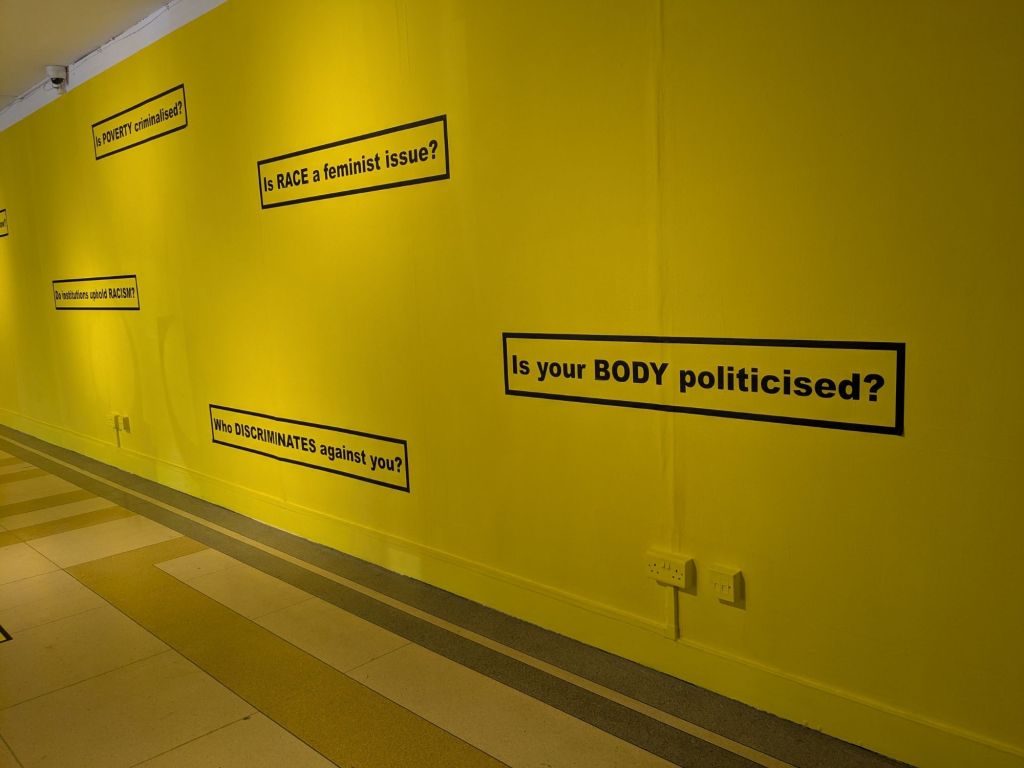


Video below: Really useful and interesting conversation between Suzanne Lacy and Cooper Gallery Director and Curator Sophia Yadong Hao covering the image, audiences, safeguarding…
What art have I seen? Maud Sulter and Derek Jarman
‘Derek Jarman’s Modern Nature: Digging in another time’ at the Hunterian
‘Maud Sulter: You are my kindred spirit’ at Tramway
Pope.L on failure
“I’ve always been a little suspect of that term in the art world – well, because the people typically involved in the art world come from a culture that is not one of failure. And black people have seemed to be failing for many, many years. not of their own intention, obviously. I can get ignorance – you don’t know something, or you can’t know something. But failure? It was weird when I first started hearing this term thrown around. Why would anyone be interested in failure? But I realized some people are; they maybe think they are inoculated from failure. I guess I was intimidated by it. It’s something I have been avoiding all my life. Why would I want to deal with this shit? I mean, I’m already dealing with this shit. Why would I want to make it into an academic kind of thing? You know what I’m saying?” p9
A Field of Wheat: revisiting writing
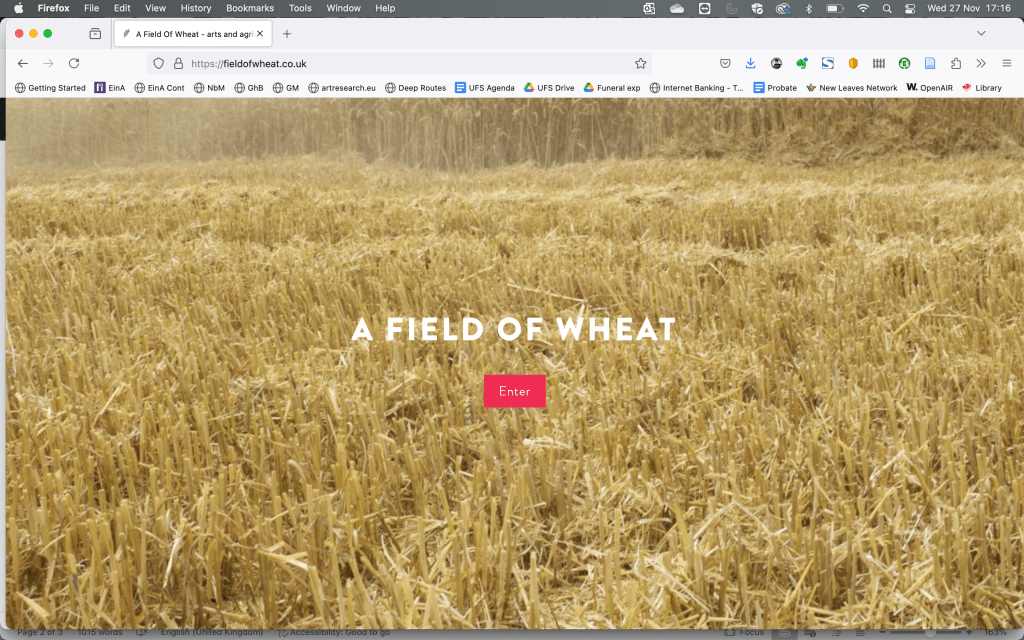
I participated in artists Ruth Levene and Anne-Marie Culhane’s project created with farmer Peter Lundgren, and I wrote a piece for the project website – I was just reminded about it and thought it worth reposting. You can read it here and explore A Field of Wheat too.
Could an orchard installed in a gallery affect us (and the gallery)?
The strange orchard in a gallery invokes all the other orchards in the area, it invokes the employment, the harvest, the trucking, your parent working for one of the big juice businesses, the smell of the fruit in the warm evening air.
Just published on The Nature of Cities, an article on Helen Mayer Harrison and Newton Harrison’s ‘Portable Orchard’ https://www.thenatureofcities.com/2024/11/13/how-could-an-orchard-installed-in-a-gallery-affect-us-and-the-gallery/
What art have I seen? Embodied Pacific
More of the UCSD Visual Arts Dept collaboration with the Scripps Institute of Oceanography ‘Embodied Pacific‘ exhibition this time at the Birch Aquarium
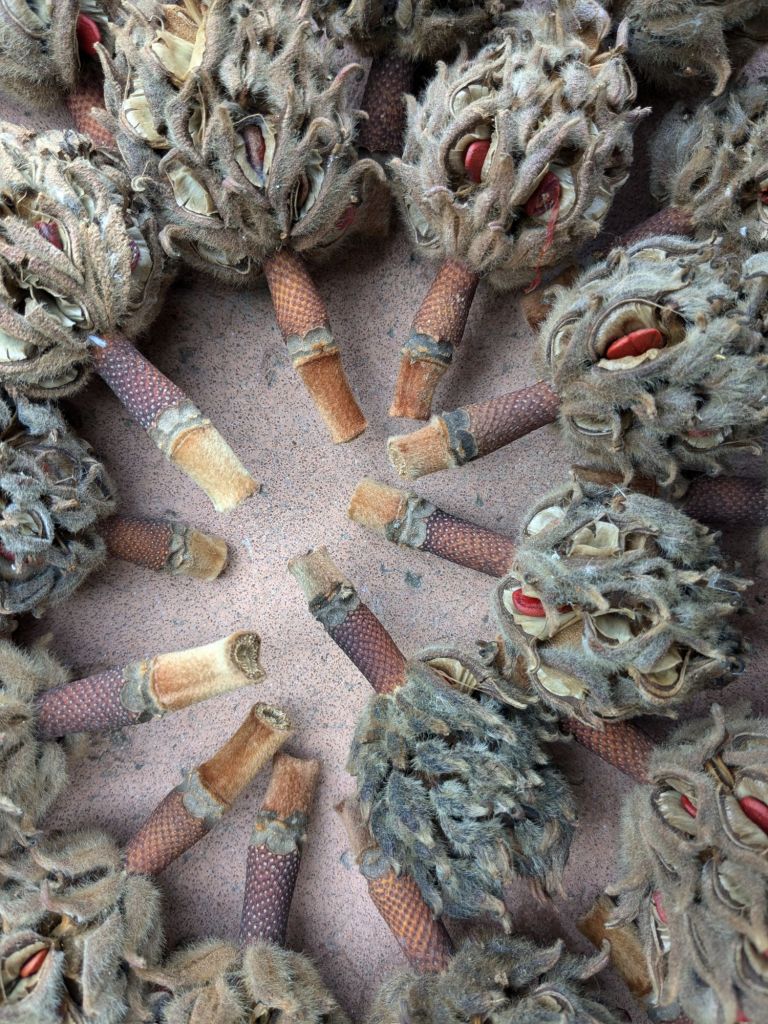

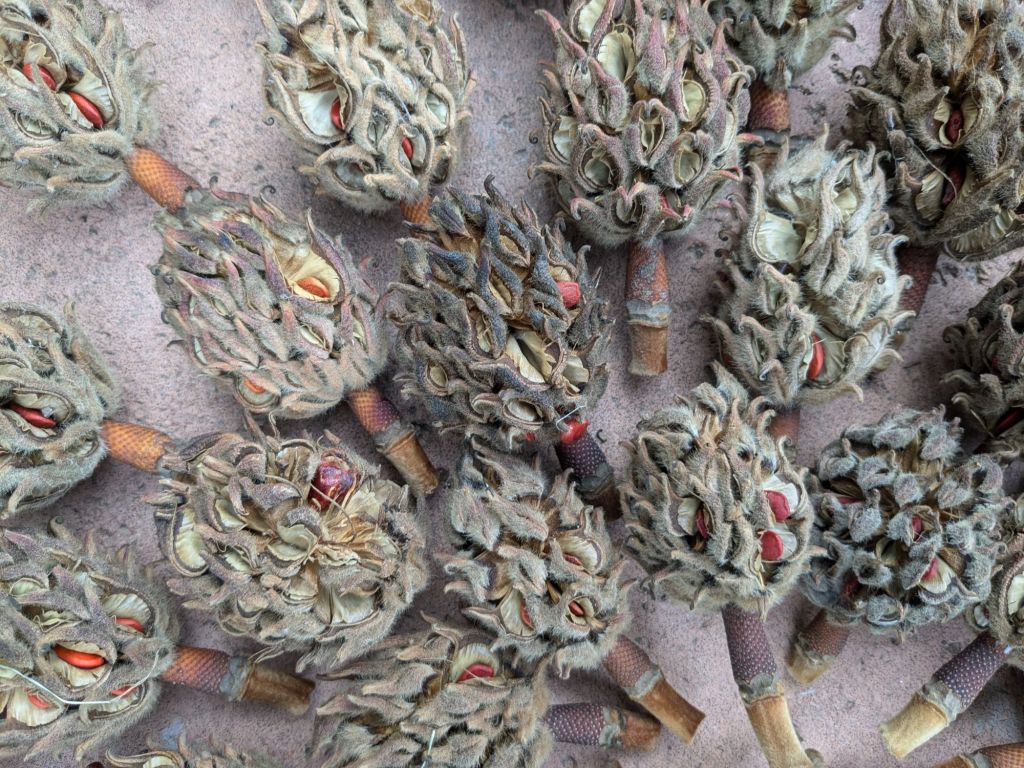
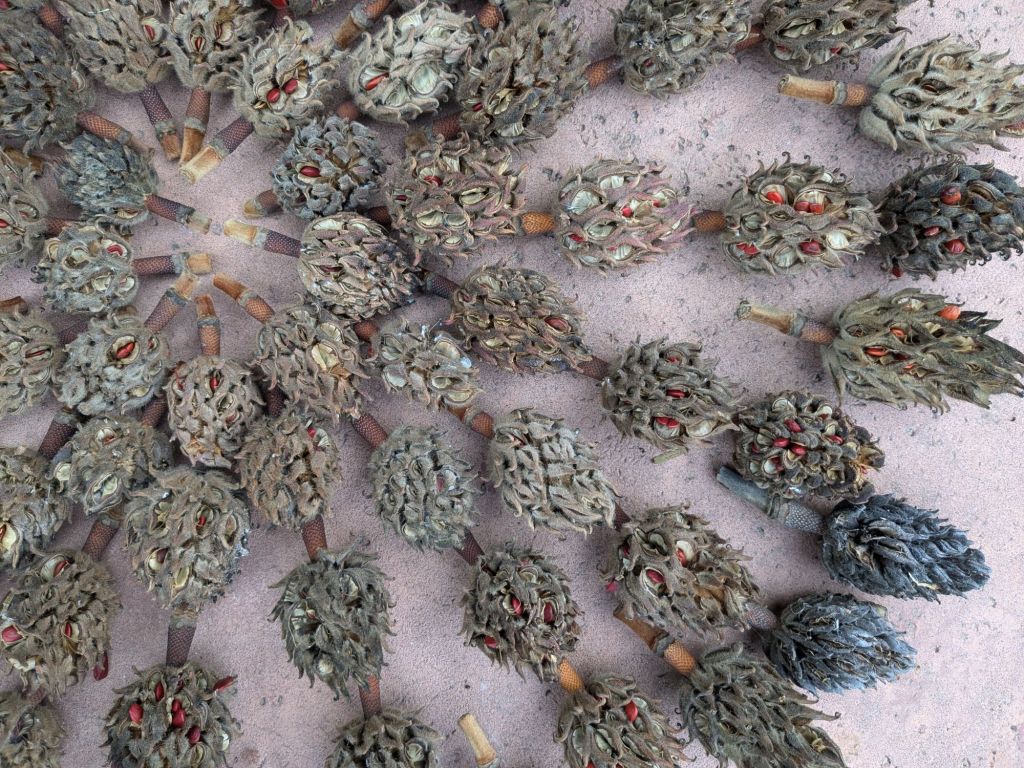
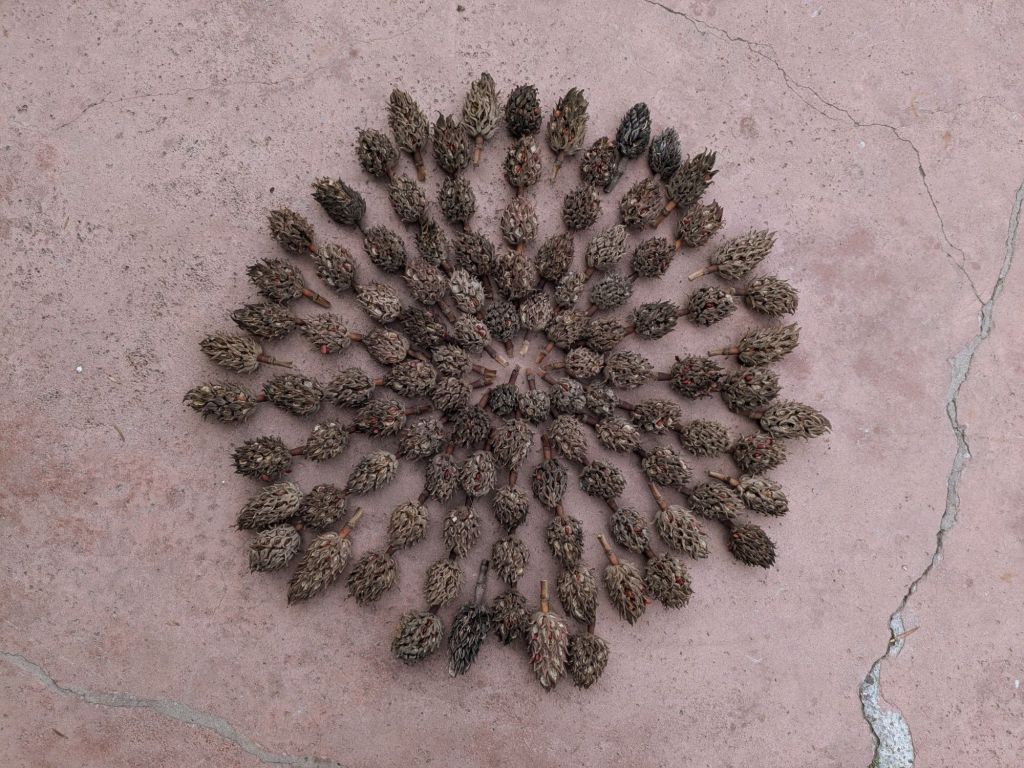
What art have I seen? Embodied Pacific
Seaways at the Gallery in the Structural and Material Engineering Building.
Curious connections – Anson who featured in the Maritime Museum crops up again writing about how impressed he was with the boats built by Pacific Islanders…
The sail made of woven reeds was stunning.
What art have I seen? Transformative Currents: Art and Action in the Pacific Ocean
Oceanside Museum of Art – exhibition from around the Pacific rim. Stand out piece by Lutyens on the rigs off Santa Barbara.

What art have I seen? For Dear Life
Exhibition on Art, Medicine, and Disability at the Museum of Contemporary Art San Diego.
Really powerful exhibition starting with the Bufano dance piece, Act-UP, cancer-related, Nikki de Sant Phalle, so much interesting work.


leave a comment